清扬洗发水

Search documents
F1上海站品牌红黑榜:闪购赢麻了,阿迪达斯还在端架子?
3 6 Ke· 2026-03-16 08:37
Core Insights - The F1 Chinese Grand Prix concluded with Antonelli winning the championship and Verstappen retiring, with the event set to return to China in a year [1] - Sponsorships around the event have generated significant buzz, but many brands involved are not well-known to the average Chinese consumer [3][4] Sponsorship Dynamics - Brands sponsoring F1 events, such as HP and Qatar Airways, are often not familiar to the general audience, as their visibility during high-speed races is minimal [3][4] - The advertising at the event primarily targets high-end clientele in the paddock club rather than the general public, facilitating business deals worth millions [6][7] Localized Marketing Strategies - Local brands like Taobao Flash Sale and Tuhu Auto Care have entered the F1 sponsorship scene, focusing on the Chinese market rather than high-end clientele [9][12] - The marketing strategies employed by these brands differ significantly from international counterparts, emphasizing local engagement and broader audience appeal [12][14] Brand Engagement and Publicity - Heineken, a long-term global sponsor, has effectively utilized local marketing strategies, including subway advertisements and themed events, to enhance brand visibility [17][19] - Taobao Flash Sale leveraged social media trends and local events to create a strong brand presence, aligning their marketing with the F1 theme [21][23] Performance Evaluation of Brands - A subjective evaluation of brand sponsorship effectiveness categorized brands based on their engagement and localization strategies, with Heineken and Taobao Flash Sale receiving high marks for their innovative approaches [14][15] - Brands like PUMA and Tuhu Auto Care have also successfully integrated local elements into their marketing, enhancing their appeal to the Chinese audience [26][28] Challenges and Opportunities - While some brands like LVMH and Shell maintain a high-end image without extensive localization, others struggle to connect with the broader audience, missing opportunities for engagement [34][36] - Adidas, despite having a strong presence, failed to capitalize on local marketing opportunities, resulting in a lack of impactful engagement [37][41] Conclusion - The F1 Chinese Grand Prix highlights the importance of localized marketing strategies for brands aiming to connect with the Chinese audience, moving beyond traditional sponsorship models to engage effectively with consumers [42]



绿色配方与再生塑料突围!揭秘联合利华从产品开发到生产物流的减碳革命
Nan Fang Du Shi Bao· 2025-12-26 02:03
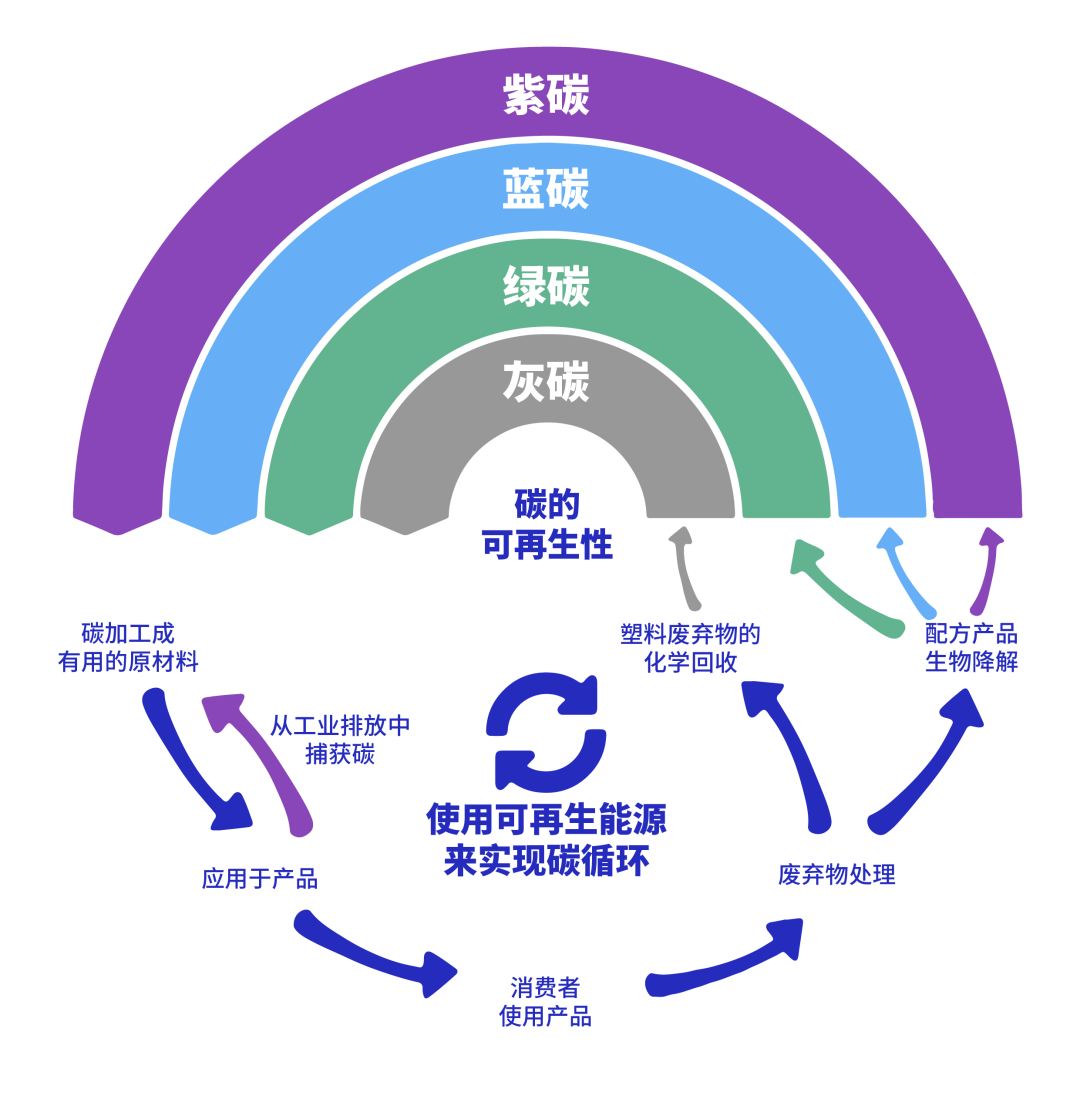
Core Viewpoint - Unilever's "Rainbow Carbon" strategy integrates sustainable practices into its product development and manufacturing processes, utilizing various carbon sources to reduce reliance on fossil fuels and promote environmental responsibility [1][3][4]. Group 1: Sustainable Product Development - Unilever is transforming carbon emissions into raw materials for products like laundry pods by collaborating with zero-carbon industrial parks to convert captured carbon into ethanol or methanol, which are then used in surfactants [3][4]. - The company is focusing on plant-based raw materials, including orange peels and seaweed, to create environmentally friendly surfactants, thereby reducing dependence on petroleum [3][4]. Group 2: Packaging Innovations - Unilever aims to use 25% recycled plastic (PCR) in its product packaging, with a recent development featuring a laundry liquid bottle made from 53% PCR [5][6]. - The company has established a packaging co-creation center that utilizes digital platforms and AI to streamline the design process, significantly reducing the time required to create packaging prototypes [6]. Group 3: Manufacturing and Energy Efficiency - All of Unilever's factories in China have achieved 100% green electricity, sourced from renewable resources like solar and wind energy, to minimize environmental impact [8]. - The Guangzhou factory employs advanced technologies such as automated guided vehicles and sophisticated water treatment processes to enhance operational efficiency and sustainability [7][8]. Group 4: Logistics and Distribution - Unilever has introduced a "Factory Direct to Consumer" model, reducing delivery times by 33% and minimizing transportation distances, which contributes to lower carbon emissions [9][10]. - The company is gradually incorporating green energy vehicles into its logistics operations, with a pilot program for electric vehicle transportation between Shenzhen and Hong Kong [10]. Group 5: Industry Trends and Consumer Engagement - A market survey indicated that 80% of consumers prefer eco-friendly products, prompting Unilever to develop high plant-based content products to meet consumer demand [12]. - The competitive landscape in the personal care industry is increasingly focused on sustainability, with companies needing to effectively communicate their environmental initiatives to consumers [12].

联合利华:为消费者提供优质产品,全链路践行可持续发展标准
Nan Fang Du Shi Bao· 2025-10-25 06:15
Core Viewpoint - The event highlighted the integration of sustainable development into corporate goals, with Unilever focusing on climate, plastics, nature, and livelihoods to fulfill its mission of making sustainable living accessible [2][4]. Group 1: Climate Initiatives - Unilever aims to achieve net-zero emissions across its entire value chain by 2039 [4]. - The company is committed to building resilient and regenerative natural ecosystems [4]. Group 2: Plastic Management - Unilever is reducing the use of virgin plastics while increasing the proportion of recycled plastics in its products [4][5]. - The company employs a "Rainbow Carbon" strategy, utilizing various carbon sources including green carbon from plants and blue carbon from marine resources [5]. Group 3: Livelihood Improvement - Unilever focuses on supporting smallholder farmers and SMEs within its value chain to enhance their living standards [4]. - The company has been involved in various community support initiatives, including building schools and supporting educational projects in rural areas [7]. Group 4: Sustainable Practices in Operations - All eight of Unilever's production and logistics centers in China utilize 100% green electricity through solar power and green power certificates [5]. - The company promotes sustainable consumption by creating convenient participation scenarios for consumers [5]. Group 5: Corporate Social Responsibility - Since 1996, Unilever has built 20 Hope Schools in remote areas of China and supported nearly 300 Hope Project initiatives benefiting over one million rural students [7]. - The company has engaged employees in a "Million Tree Planting" project for 16 consecutive years and has restored over 20,000 acres of grassland in the Tibetan Plateau [7].