渐冻症AI科研大脑

Search documents
蔡磊:对一些患者来说,渐冻症这个恶魔已被“秒杀”
Xin Lang Cai Jing· 2026-01-02 02:01
Core Insights - The article highlights the determination of Cai Lei, who has been diagnosed with ALS (Amyotrophic Lateral Sclerosis) for six years, to combat the disease despite its historical challenges and lack of significant breakthroughs over the past 200 years [2][33]. Research and Collaboration - In 2025, Cai Lei's team collaborated with over 60 top research teams globally and partnered with more than 50 biotech companies and numerous hospitals, leading to nearly 100 research projects focused on ALS [2]. - The collaboration resulted in 15 drug pipelines and therapeutic technologies achieving clinical transformation breakthroughs [2]. Technological Innovation - Cai Lei has transitioned from being a patient to a core initiator and promoter of a research collaboration system, leveraging AI to enhance research efficiency [33][40]. - The "ALS AI Research Brain" platform, developed in 2024, has evolved into a super-intelligent entity that surpasses the capabilities of hundreds of human researchers, significantly improving the efficiency of research and discovery [41]. Clinical Developments - The AI platform has enabled the discovery of potential pathways for curing ALS in preclinical animal models, including methods like complete immune reconstruction through bone marrow transplantation [42]. Community Impact - The New Year's open letter included testimonials from eight patients with SOD1 gene mutation who reported improvements after using drugs developed in collaboration with Chinese scientists [29][30]. - Cai Lei's message emphasizes hope and resilience, stating that every seemingly insurmountable challenge can be overcome, including ALS [44].

蔡磊发布公开信!
新华网财经· 2026-01-02 01:52
Core Viewpoint - The article emphasizes the hope and determination of ALS patients, particularly highlighting the efforts of Cai Lei, who, despite being in the terminal stage of the disease, is actively working towards breakthroughs in ALS research and treatment [2][4]. Group 1: Patient Experience and Challenges - Cai Lei, who has been battling ALS for six years, describes the severe limitations imposed by the disease, including total paralysis and difficulty in breathing and swallowing, leading to a significant decline in his quality of life as measured by the ALSFRS-R score [3][4]. - The average survival period for ALS patients is reported to be only 2 to 5 years, with no complete cure available to date, underscoring the urgency for research breakthroughs [5]. Group 2: Research and Collaboration Efforts - Cai Lei's team has engaged with over 60 top research teams and more than 50 biotech companies, resulting in nearly 100 collaborative research projects and 15 drug pipelines achieving clinical translation breakthroughs [4][5]. - The establishment of the "Gradual Recovery Mutual Aid Home" platform has registered over 18,000 ALS patients, creating a significant patient cohort for research purposes [4]. Group 3: Technological Advancements - The rapid development of artificial intelligence has significantly enhanced research capabilities, allowing the team to analyze nearly 40,000 ALS research papers and rank hundreds of drugs based on preclinical trial results, thus accelerating the research process [5]. - The team aims to leverage cutting-edge technologies such as brain-machine interfaces and embodied intelligence to develop caregiving robots that can assist ALS patients, thereby alleviating the dual burden on families [7]. Group 4: Community and Support - Cai Lei maintains over 40 support groups for ALS patients, fostering a sense of community and shared experience among individuals facing similar challenges [6]. - The support from family, friends, and society has been crucial for Cai Lei, providing him with warmth and motivation to continue his fight against the disease [6].

蔡磊发布公开信
证券时报· 2026-01-01 23:57
Core Viewpoint - The article emphasizes the hope and determination of ALS patients, particularly highlighting the efforts of Cai Lei, who, despite being in the terminal stage of the disease, believes in the potential breakthroughs in research and treatment by 2026 [1][2][3]. Group 1: Patient Experience and Challenges - Cai Lei, who has been battling ALS for six years, describes his severe physical limitations and the emotional toll of the disease, stating that he feels trapped in his own body while his mind remains clear [2][3]. - The article details the lack of effective treatments for ALS, with no current drugs available to halt or reverse the disease, leading to a sense of despair among patients [2][3]. Group 2: Research and Collaboration Efforts - Cai Lei's team has engaged with over 60 top research teams and more than 50 biotech companies, resulting in nearly 100 collaborative research projects and 15 drug pipeline breakthroughs [3][4]. - The establishment of the "Gradual Recovery Mutual Aid Home" has led to a significant increase in registered ALS patients, surpassing 18,000, creating a substantial patient cohort for research [3][4]. Group 3: Technological Advancements - The rapid development of artificial intelligence has significantly enhanced research capabilities, allowing the team to analyze nearly 40,000 ALS research papers and rank hundreds of drugs based on preclinical trial results [4][5]. - Cai Lei's team aims to leverage cutting-edge technologies, including brain-machine interfaces and embodied intelligence, to develop nursing robots that can assist ALS patients, thereby alleviating the burden on families [6]. Group 4: Community and Support - Cai Lei highlights the importance of community support, stating that family, friends, and fellow patients have provided him with warmth and confidence during his journey [6]. - The article illustrates the solidarity among ALS patients, with Cai Lei maintaining communication with over 40 patient groups, offering encouragement despite his own challenges [5][6].
进入疾病终末期的蔡磊,说了这些话
Xin Lang Cai Jing· 2026-01-01 15:42
Core Viewpoint - The letter from Cai Lei emphasizes hope and determination in the fight against amyotrophic lateral sclerosis (ALS), highlighting the advancements in technology and research that could lead to breakthroughs in treatment by 2026 [1][2]. Group 1: Research and Development - Cai Lei's team has collaborated with over 60 top research teams and more than 50 biotech companies, resulting in nearly 100 ALS research projects and 15 drug pipeline breakthroughs for clinical translation [2]. - The establishment of the "ALS Mutual Aid Home" has registered over 18,000 patients, creating a significant ALS patient cohort for research [2]. - The development of an AI research platform has analyzed nearly 40,000 ALS research papers and ranked hundreds of drugs based on preclinical trial results, significantly increasing research efficiency [3]. Group 2: Patient Support and Community - Cai Lei maintains over 40 support groups for ALS patients, fostering a sense of community and mutual encouragement among patients despite their physical challenges [4]. - The team has successfully established and promoted a care system for ALS patients, reducing the high costs of care equipment through social support [3]. Group 3: Future Aspirations - The team aims to accelerate drug development and collaborate with cutting-edge technologies like brain-machine interfaces and embodied intelligence to create caregiving robots that alleviate the physical and financial burdens on ALS patients' families [5]. - Cai Lei believes that breakthroughs in ALS treatment could lead to significant advancements in addressing other medical challenges, such as Alzheimer's disease [5].
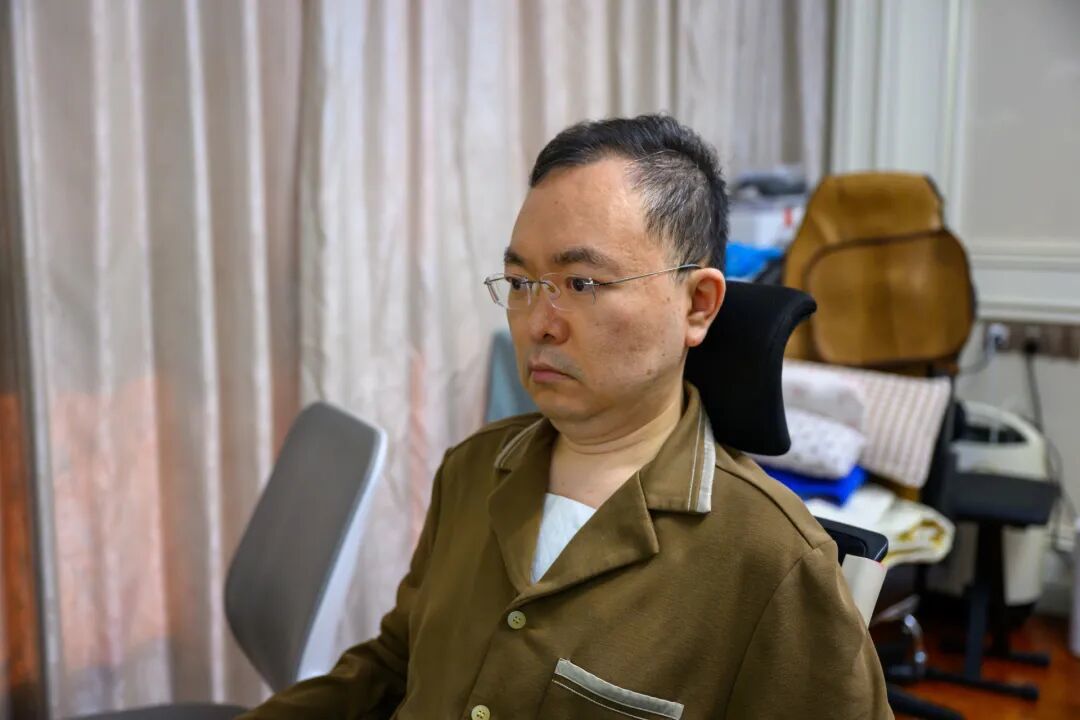
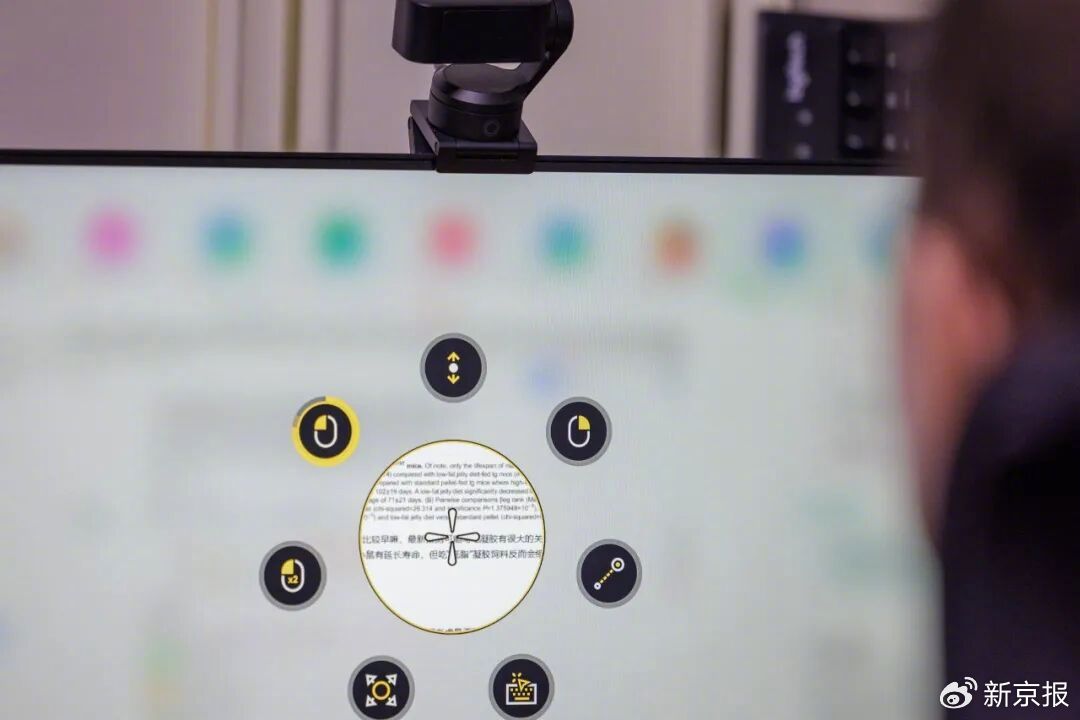
4个护工24小时陪护,用眼控仪100分钟回答3个问题,对话渐冻症抗争者蔡磊
Mei Ri Jing Ji Xin Wen· 2026-01-01 11:23
Core Insights - The "Jianyu Mutual Aid Home" led by Cai Lei has established an unprecedented research collaboration network for ALS, resulting in nearly 100 research projects and 15 drug pipelines achieving clinical translation by the end of 2025 [1][16] - Cai Lei emphasizes that the advantages of ALS patients are often overlooked, stating that funding is not the primary issue, but rather the lack of advocates to drive research forward [2][18] - The team has made significant progress in ALS drug research, with over 18,000 registered patients and collaborations with more than 60 top research teams globally, leading to multiple clinical trials [16][17] Research Collaboration Network - The "Jianyu Mutual Aid Home" has created a unique ALS research collaboration network, achieving more fruitful results in 2025 compared to previous years [1] - The team has engaged in deep collaborations with over 50 biotech companies and numerous hospitals, facilitating the transition of research from basic mechanisms to clinical trials [16][17] Patient-Centric Innovation Framework - Cai Lei aims to create a patient-centered innovation framework for rare diseases, highlighting the significant yet often ignored advantages that patients possess in the research field [2][3] - The framework emphasizes the need for more individuals to advocate for ALS research, as financial resources are not the main barrier [18][19] Clinical Trial Progress - In 2025, the team successfully initiated several clinical trials, including projects evaluating the safety and efficacy of various treatments for ALS [17] - Notable projects include the evaluation of RAG-17 and ALTO01, which have entered different phases of clinical trials [17] AI Research Development - The "Jianyu Mutual Aid Home" has made a critical leap in developing an "ALS AI Research Brain," marking the initial formation of a new research paradigm centered on causal reasoning and human-machine collaboration [20] - The team plans to continue enhancing AI-assisted cognitive capabilities in 2026 to further advance ALS research [20]