
炸鸡柳

Search documents
新华视点丨多地规范无堂食外卖:如何把好“入口关”?
Xin Hua Wang· 2025-10-10 09:09
Core Viewpoint - Recent efforts in various regions aim to regulate the takeout food industry, particularly focusing on food safety and hygiene standards for businesses that do not offer dine-in services [1][5][6]. Group 1: Current Issues in Takeout Food Industry - Many takeout food vendors operate in unsanitary conditions, with improper food handling and storage practices observed, such as food preparation near garbage [2][3]. - The lack of proper separation and hygiene in food processing areas has been noted, with some vendors sharing kitchen spaces without adequate sanitation measures [2][3]. - There are instances of misleading information on online platforms, where businesses falsely present their facilities as compliant with food safety standards [3]. Group 2: Regulatory Measures and Improvements - Local governments have begun implementing stricter industry standards to enhance food safety and management practices among takeout vendors [6][10]. - Innovative regulatory approaches, such as employing delivery riders as food safety monitors, have been introduced to identify and address food safety violations promptly [7]. - The establishment of shared processing areas and improved kitchen layouts has been reported in some regions, leading to better hygiene and operational practices [4][9]. Group 3: Future Directions and Recommendations - The need for more comprehensive and mandatory regulations is emphasized to ensure that food vendors operate in compliant environments, preventing the emergence of "ghost kitchens" [10][11]. - Recommendations include increasing transparency in food sourcing and preparation processes, as well as encouraging the installation of surveillance cameras in kitchens to enhance accountability [11]. - Strengthening online verification processes and increasing enforcement actions against non-compliant vendors are suggested to improve overall food safety in the takeout sector [11].

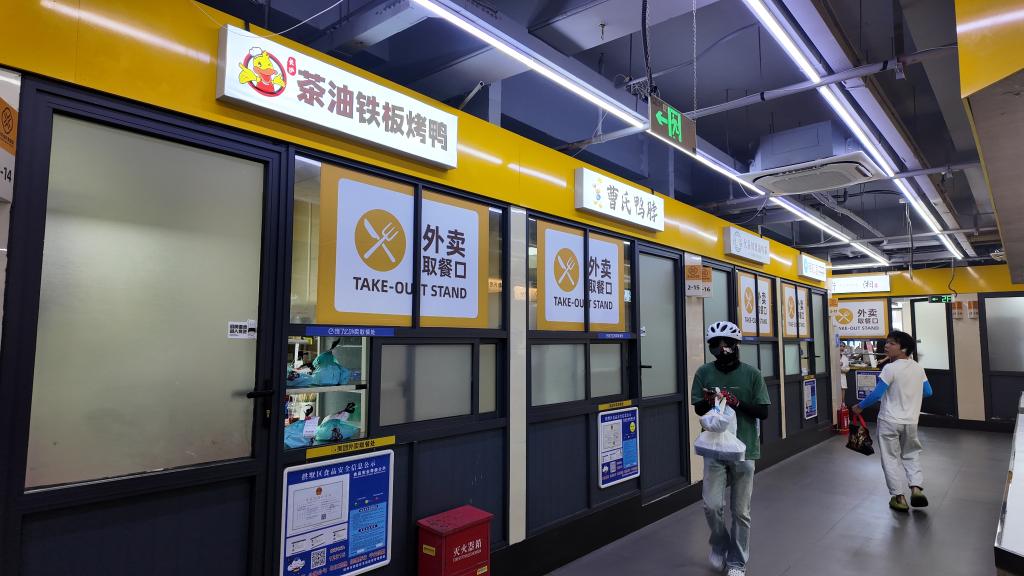
多地规范无堂食外卖:如何把好“入口关”?
Xin Hua She· 2025-10-10 09:05
Core Viewpoint - The article highlights the ongoing issues related to food safety in the takeout industry, particularly in establishments without dine-in options, and discusses recent regulatory measures aimed at improving hygiene and safety standards in this sector [1][4][6]. Group 1: Current Issues in Takeout Industry - Many takeout establishments operate in unsanitary conditions, with food preparation areas often found near garbage, leading to potential contamination risks [1][2]. - The low entry barrier for starting a takeout business, with investments around 50,000 yuan, has resulted in a proliferation of establishments that may not adhere to food safety standards [1][2]. - Instances of shared kitchens among multiple vendors without proper separation have been observed, raising concerns about cross-contamination [2][3]. Group 2: Regulatory Measures and Improvements - Various regions have implemented stricter industry standards to enhance food safety, including the introduction of new regulations in Chongqing and Hangzhou [5][6]. - Innovative regulatory approaches, such as employing delivery riders as food safety monitors, have been adopted to identify and address food safety violations promptly [6][7]. - The establishment of clearer guidelines for food preparation and the installation of surveillance cameras in kitchens have been reported as effective measures to improve transparency and accountability [3][4]. Group 3: Future Directions and Recommendations - The need for more comprehensive and mandatory standards for the takeout industry has been emphasized, particularly regarding the physical layout of food preparation areas [7][8]. - Recommendations include encouraging the installation of kitchen cameras and promoting transparency in food sourcing and preparation processes to enhance consumer trust [8]. - Increased enforcement of regulations and consumer reporting mechanisms are suggested to hold non-compliant businesses accountable and ensure food safety [8].