
热力学芯片

Search documents
China SIF|王忠民:ESG的尽头是AI
Xin Lang Cai Jing· 2025-12-05 06:30
Core Viewpoint - The relationship between Artificial Intelligence (AI) and Environmental, Social, and Governance (ESG) is interdependent, with AI's future development relying heavily on ESG principles to ensure sustainable growth and societal benefits [6][15]. Group 1: AI and Energy - AI's advancement is closely linked to energy resources, with a new trend suggesting that future energy needs may be met through space-based solar power, reducing reliance on terrestrial resources [7][16]. - The concept of "the end of energy is green energy" is evolving, indicating a shift towards sustainable energy solutions for AI operations [7][16]. Group 2: Resource Utilization - AI is driving a transformation in resource usage, moving from traditional materials to more sustainable composite materials, influenced by ESG's stringent resource consumption requirements [8][17]. - Innovations in technology are enabling more efficient resource utilization, particularly in industries like electric vehicles, which are transitioning to safer and cheaper materials [8][17]. Group 3: Energy Efficiency - AI technologies are exploring energy-efficient solutions, such as optical computing, which significantly reduces energy consumption compared to traditional electronic signals [8][18]. - Advances in chip technology are also contributing to lower energy usage, aligning with ESG's demands for improved energy efficiency in AI hardware [8][18]. Group 4: Social Responsibility - The development of AI must address social challenges, including aging populations, by adhering to ESG principles that promote social equity and worker rights [9][18]. - Leading AI companies are already taking steps to ensure that their technologies benefit society as a whole, not just capital interests, by exploring solutions like universal basic income for the elderly [9][18]. Group 5: ESG Ratings and Initiatives - The Sina Finance ESG Rating Center provides various services to promote ESG principles among listed companies, enhancing their sustainable development performance [1][10]. - The center aims to establish ESG evaluation standards suitable for China's context, fostering the growth of ESG investment in the asset management industry [10][19].

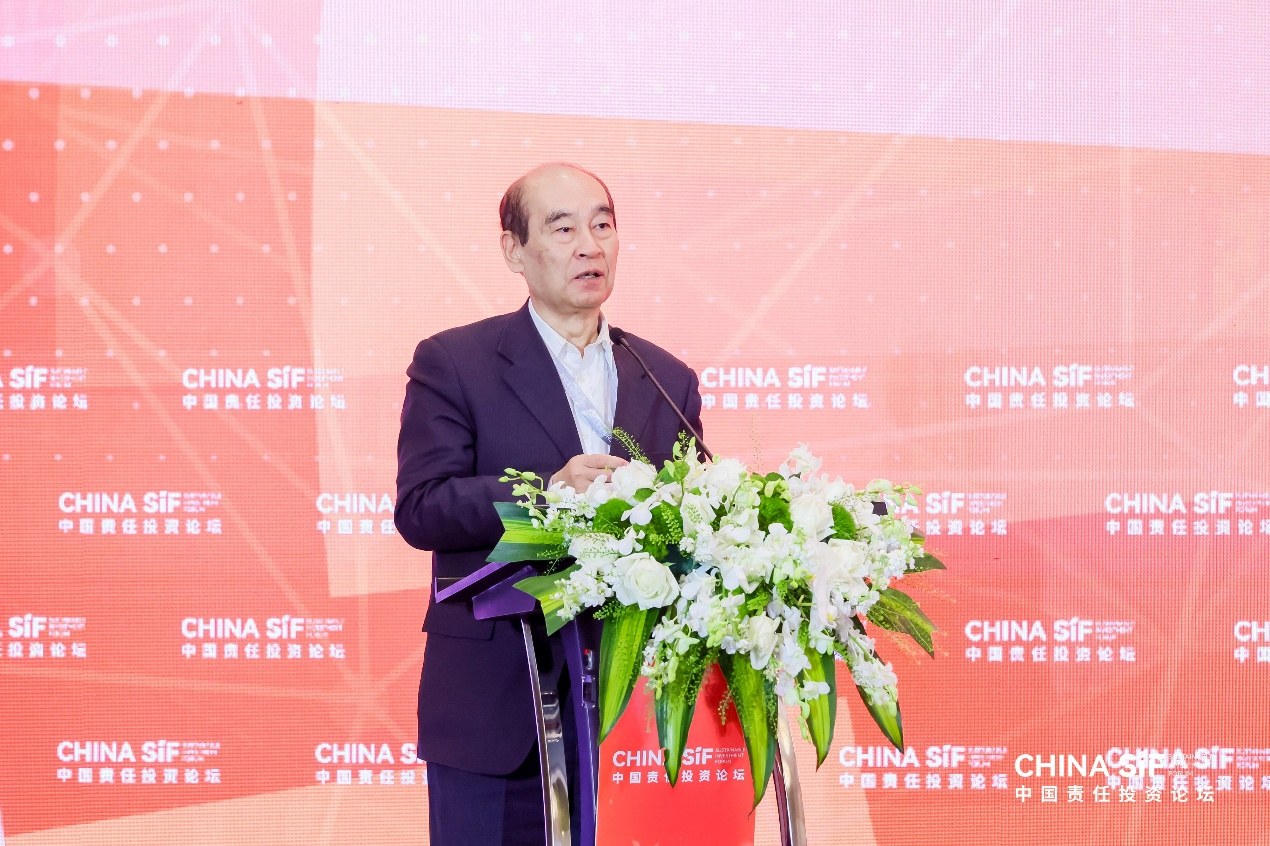
王忠民:AI不应只服务资本,更应服务普通人,促进社会公平
Nan Fang Du Shi Bao· 2025-12-04 10:23
Group 1 - The core viewpoint of the article emphasizes the interdependence of AI and ESG, suggesting that the future of AI development must align with ESG principles to create a greener, smarter, and fairer society [1][3] - Wang Zhongmin highlights that AI's development is heavily reliant on energy, noting the trend that "the end of green electricity is space," indicating a potential shift of AI computing centers to space for sustainable energy supply [3] - The article discusses the transformation in material usage driven by AI, moving from single materials to composite materials, influenced by ESG's strict resource consumption requirements [3] Group 2 - Wang Zhongmin points out that ESG requirements are driving breakthroughs in AI hardware, particularly through the rise of optical computing, which significantly reduces energy consumption and increases speed [3] - The emergence of new hardware like thermodynamic chips is mentioned as a response to energy efficiency challenges, showcasing how ESG demands are prompting innovation in AI technology [3] - The article addresses the social implications of AI, stressing that AI must adhere to social responsibility requirements outlined in ESG, particularly in addressing aging populations and ensuring equitable wealth distribution [4]
比量子芯片还强?这家初创公司正在研发热力学芯片
Feng Huang Wang· 2025-03-25 06:51
Core Insights - Extropic is developing a new type of computing chip based on thermodynamic computing, which aims to utilize random thermal fluctuations rather than minimize them as in quantum computing [1][2] - The company plans to launch its first chips in late 2025, with expectations that they will be capable of running complex workloads and language models [1] - Extropic has raised $14.1 million in seed funding and has a team of around 20 engineers dedicated to research and development [2] Group 1: Company Background - Extropic was founded by Guillaume Weldon, who previously worked on quantum computing projects at Google [2] - The company has attracted talent from the quantum computing field, particularly those disillusioned by the limitations of quantum technology [2][3] - The CTO and co-founder Trevor McCaw also transitioned from Google's quantum computing project to join Extropic [3] Group 2: Technology and Development - The chip developed by Extropic features a unique array of square components designed to generate "programmable randomness," which can enhance simulations in various fields such as weather forecasting and financial modeling [1] - Current prototypes of thermodynamic hardware have been created in academic labs, including simple neural networks [1] - The anticipated delivery of Extropic's chips to early users later this year is expected to demonstrate value in high-tech trading and medical research through probabilistic simulation algorithms [3]