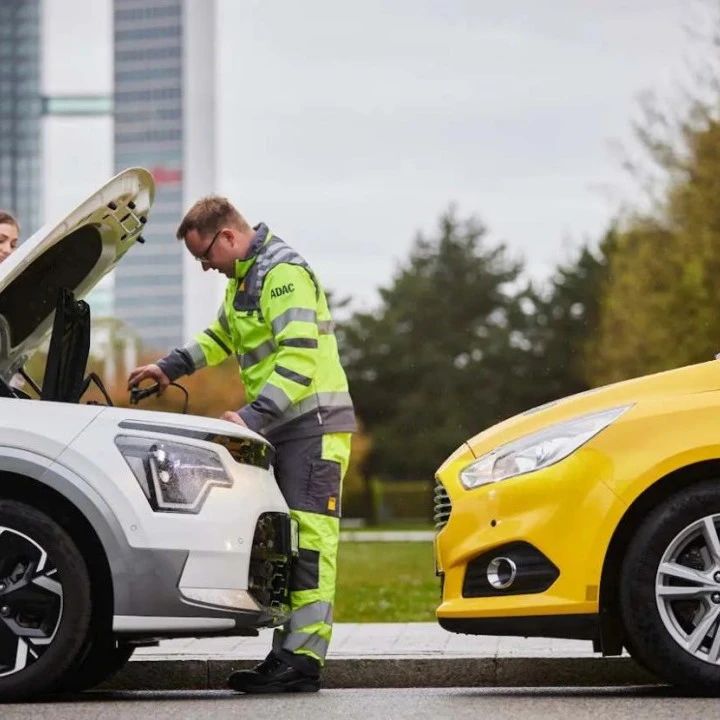
现代Ioniq 5

Search documents
无人驾驶,人类售后
汽车商业评论· 2026-01-07 00:39
Core Insights - The Robotaxi industry is facing operational challenges that highlight the need for human intervention despite advancements in automation, as seen in recent incidents involving Waymo and Tesla [5][12][13] Group 1: Waymo's Operational Challenges - Waymo's vehicles require passengers to manually close doors; if a door is not fully closed, the vehicle cannot operate, leading to operational delays during incidents like power outages [8][9] - To address this, Waymo has started outsourcing the task of closing doors to gig workers, paying between $20 to $24 per task through a towing service app [8][9] - The company is also exploring vehicle designs with automatic closing doors to mitigate this issue in the future, although current models still lack this feature [9][10] Group 2: Tesla's Cleaning Fee Implementation - Tesla has introduced a cleaning fee structure for its Robotaxi service, charging $50 for minor cleaning and up to $150 for severe contamination, such as vomiting or smoking [12][13] - This fee structure contrasts with Tesla's previous claims of fully autonomous and self-cleaning vehicles, indicating a reliance on human labor for maintenance and cleaning [12][13] - The introduction of cleaning fees aims to cover operational costs and encourage responsible passenger behavior [12][13] Group 3: Expansion and Market Position - Waymo is expanding its Robotaxi services into over 20 new markets, including London and Tokyo, and currently operates a fleet of over 2,500 vehicles in various U.S. cities [15][16] - Tesla is also scaling its Robotaxi operations, with plans to double its fleet in Austin and expand to more cities, while navigating complex regulatory environments [15][16] - The competition is intensifying as traditional ride-hailing platforms and new entrants like Lucid and Zoox are entering the Robotaxi space, each with unique operational strategies [16][17] Group 4: Operational Efficiency and Future Outlook - The operational efficiency of Robotaxi services is heavily influenced by factors such as vehicle cleanliness, charging, and maintenance, which can affect vehicle availability [13][17] - The industry is still in its early expansion phase, with many operational challenges remaining that may not have straightforward technological solutions [17]


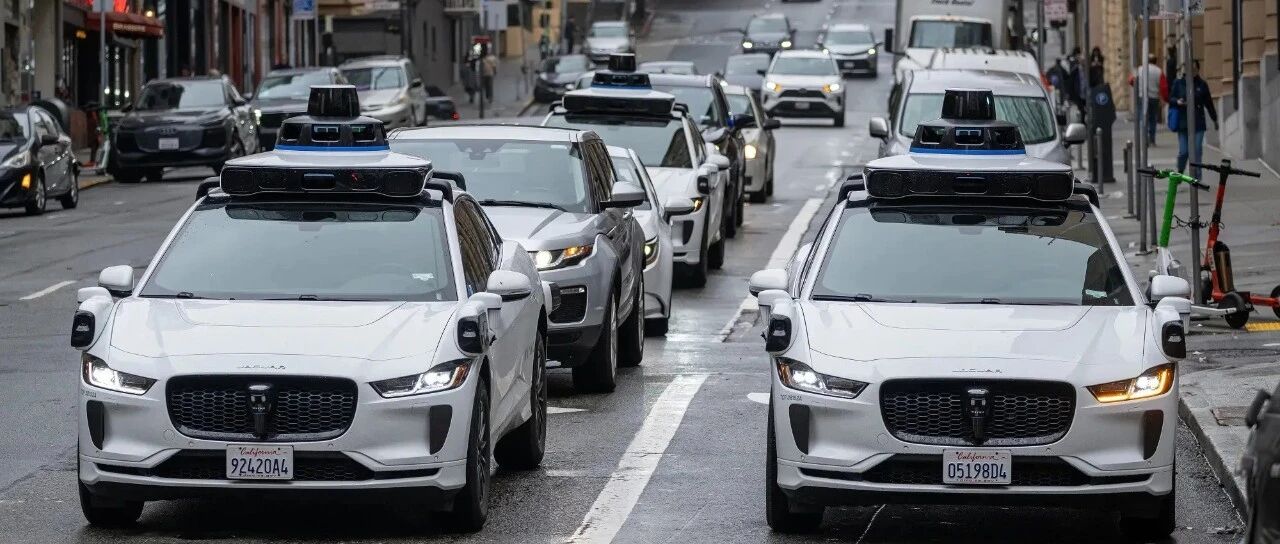
故障率仅为燃油汽车的41%
汽车商业评论· 2025-05-05 12:57
Core Viewpoint - The research conducted by ADAC indicates that electric vehicles (EVs) have a lower failure rate compared to internal combustion engine (ICE) vehicles, despite an increase in the number of service calls for EVs due to their growing popularity [4][8]. Group 1: Reliability of Electric Vehicles - In 2024, ADAC reported that electric vehicles accounted for only 1.2% of the total 3.6 million service calls, with 43,678 calls related to EVs [8]. - The average failure rate for electric vehicles from 2020 to 2022 was 4.2 failures per 1,000 vehicles, while ICE vehicles had an average of 10.4 failures per 1,000 vehicles, indicating that ICE vehicles are nearly 2.5 times more likely to fail [10]. - The failure rates for electric vehicles have significantly decreased over the years, from 8.5 failures per 1,000 vehicles in 2020 to 1.7 in 2022 [10]. Group 2: Comparison of Failure Rates - The failure rate for the 2022 model of Tesla Model Y was only 0.9 failures per 1,000 vehicles, while the Hyundai Ioniq 5 had a concerning rate of 22 failures per 1,000 vehicles [14]. - The Volkswagen ID.4 had a failure rate of just 1 failure per 1,000 vehicles for the 2022 model year, showcasing the competitive reliability of EVs [14]. - The most common cause of failures in both EVs and ICE vehicles was the 12-volt low-voltage battery, which accounted for 50.5% of EV failures and 44.6% of ICE vehicle failures in 2024 [15]. Group 3: Areas of Concern - Tire issues were noted as a significant concern, with 1.3 EVs needing assistance due to tire problems per 1,000 vehicles, compared to 0.9 for ICE vehicles [16]. - Despite some issues, electric vehicles do not have the same potential problems as ICE vehicles, such as oil changes and complex powertrains, leading to lower overall component failure rates [16]. - The research suggests that as electric vehicles continue to evolve, their reliability is expected to improve further, countering claims of inherent unreliability [10][11].