现炒快餐

Search documents
人均25元,打工人捧出现炒“三剑客”
3 6 Ke· 2026-01-12 00:56
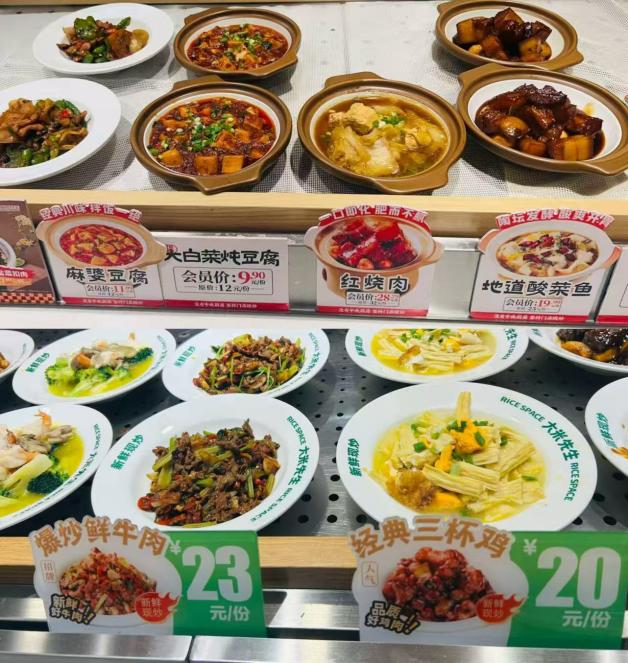
Core Insights - The article discusses the emergence of three Chinese fast-food brands, namely Dami Xiansheng, Xiangcunji, and Laoxiangji, which are collectively referred to as the "Stir-fried Three Musketeers" due to their focus on freshly cooked dishes and similar pricing strategies targeting the working class [1][5]. Group 1: Brand Overview - Dami Xiansheng has opened its first store in Beijing, joining Xiangcunji and Laoxiangji, which together have over 2,000 locations [1]. - All three brands operate under a self-service model where customers can choose from a variety of dishes, with an average spending of around 25 yuan per person [1][4]. Group 2: Menu and Pricing - The menu offerings include a mix of vegetarian and meat dishes, with prices for vegetarian items ranging from 5 to 10 yuan and meat dishes from 12 to 25 yuan [3]. - The average spending per customer is reported as 24.6 yuan for Laoxiangji, 21.9 yuan for Xiangcunji, and 23.2 yuan for Dami Xiansheng, indicating competitive pricing [7]. Group 3: Cooking Method and Freshness - The "Stir-fried Three Musketeers" emphasize freshly cooked meals, with Laoxiangji using smart cooking machines and the other two brands employing both chefs and automated cooking equipment [3][5]. - The brands have adopted a "no central kitchen" policy, with Laoxiangji reporting that 70.6% of their dishes are prepared on-site [7]. Group 4: Market Trends - The trend towards freshly cooked meals is gaining traction in the restaurant industry, with a significant increase in the popularity of keywords like "fresh" and "stir-fried" on food delivery platforms [8]. - The shift towards fresh cooking is seen as a response to consumer demand for healthier and more authentic dining experiences [10]. Group 5: Challenges and Costs - Transitioning to a stir-fried model presents challenges, particularly in terms of labor costs, as skilled chefs are required, leading to higher wages compared to standard fast-food workers [10][11]. - The cost of fresh ingredients is also higher, which can lead to increased operational costs for the brands, with estimates suggesting a rise of 3% to 8% in costs due to this transition [11][13]. Group 6: Future Outlook - The article suggests that the success of the "Stir-fried Three Musketeers" will depend on their ability to manage costs effectively while meeting consumer expectations for freshness and quality [15]. - The competition in the fast-food sector will increasingly hinge on efficiency, cost control, and the ability to deliver fresh, made-to-order meals [15].

老乡鸡招股书"变脸":独立加盟过半,中式快餐资本局生变?
Sou Hu Cai Jing· 2025-07-23 07:01
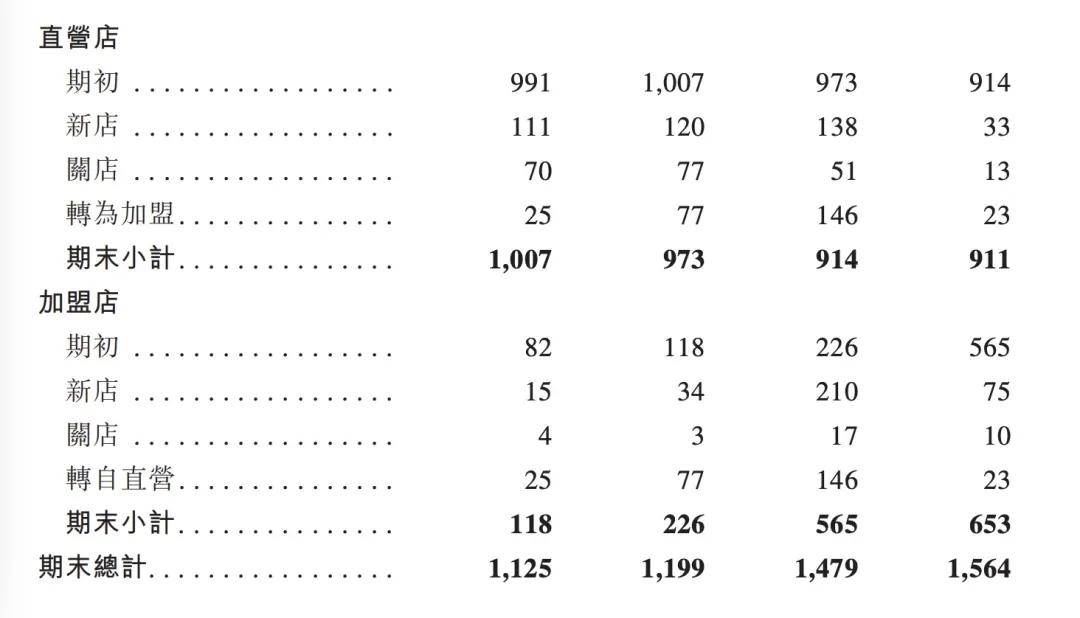
Core Viewpoint - The article discusses the strategic shift of Laoxiangji from a direct-operated model to a franchise model, highlighting its financial performance and the competitive landscape in the Chinese fast food industry, particularly in the context of its upcoming IPO [1][17]. Financial Data - Laoxiangji's projected revenue for 2024 is 6.288 billion RMB, with a net profit of 409 million RMB [1][15]. - The revenue from independent franchise stores has surpassed 51.1%, indicating a significant shift in the revenue model [1][5]. - The number of direct-operated stores decreased by 3, while franchise stores increased by 88, reflecting a strategic pivot towards franchising [1][2]. Industry Landscape - The Chinese fast food market has a low chain rate of 32.5%, significantly lower than Western fast food's 67.9%, due to challenges in standardization and supply chain complexity [8][9]. - Laoxiangji holds a dominant position in the East China market, with 86% of its stores located in this region, particularly in Anhui [5][11]. - The competitive landscape includes major players like Laoxiangji, Laoniangjiao, and Xiangcunji, with emerging brands like Yuyouzaijiyu and Micunbanfan posing significant challenges [11][13]. Capital Pathways - The trend of IPOs among Chinese fast food companies indicates a shift from regional competition to capital competition, driven by rising operational costs [14][17]. - Laoxiangji aims to become the first publicly listed Chinese fast food company, with an estimated valuation between 15 billion to 20 billion RMB based on its financial performance [15][16]. - The investor structure may include institutional investors seeking stability and retail investors chasing growth, necessitating a balanced approach in marketing and operational transparency [16][17].