电动汽车零部件

Search documents
郭策公使会见印度汽车零部件制造商协会总干事一行
Shang Wu Bu Wang Zhan· 2026-02-04 00:23
1月30日,郭策公使在中国驻印度大使馆会见了来访的印度汽车零部件制造商协会(ACMA)总干事 Vinnie Mehta一行,就中印汽车产业合作等话题进行深入交流。Vinnie表示,印度电动汽车零部件市场 机遇广阔,希望与中方进一步拓展合作空间。郭表示,双方汽车领域合作潜力巨大,期待印方为双边合 作营造良好政策与商业环境。 ...
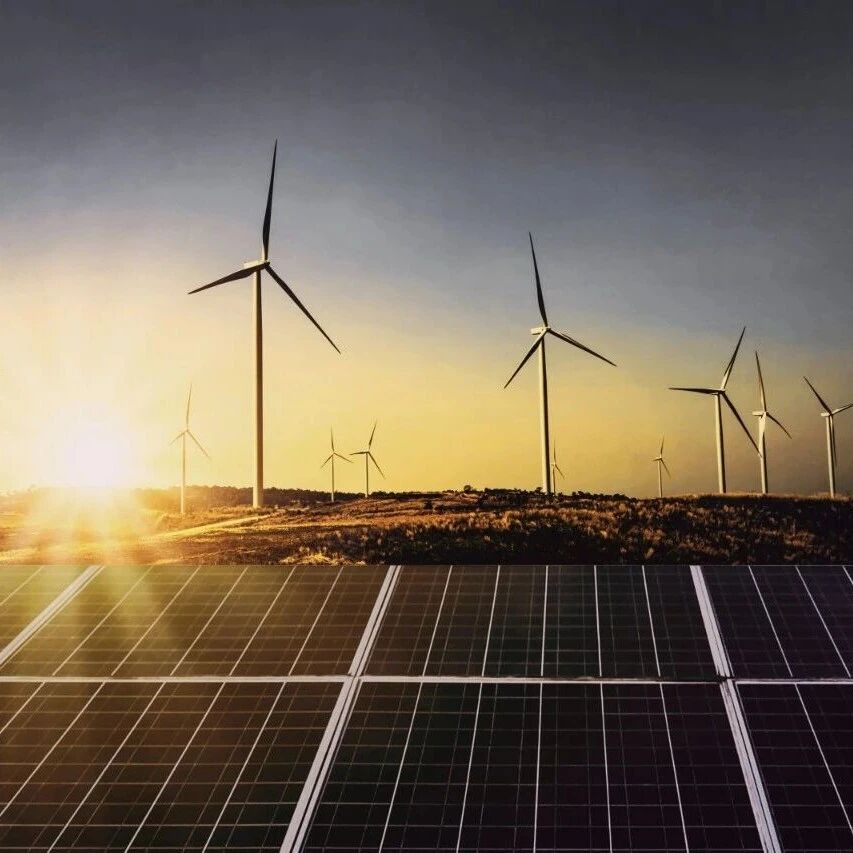
美国清洁能源风光不再
中国能源报· 2025-11-04 00:06
Core Viewpoint - The U.S. clean energy industry is experiencing significant changes due to a combination of policy shifts and declining investments, reflecting structural challenges in the energy transition process [1][3]. Investment Decline - As of September this year, investments in the U.S. clean energy sector have decreased by over $24 billion, resulting in approximately 21,000 job losses, with $1.6 billion in projects canceled and nearly 3,000 jobs lost in September alone [3][5]. - The U.S. Department of Energy has terminated financial support for 223 energy projects, affecting 321 funding programs, with an estimated budget cut of $7.56 billion [3][5]. Project Delays and Cancellations - The clean energy sector is facing significant challenges, particularly in Republican-led districts, which have seen investment losses of $12.4 billion and a reduction of about 15,000 jobs [5]. - Major projects in states like Kansas, Michigan, North Carolina, and Tennessee have been canceled or delayed, exacerbating the funding challenges for small to medium-sized developers reliant on public funding [5]. Market Stagnation - Despite the investment decline, some companies are still seeking new growth opportunities, with $542 million announced for electric vehicle components and solar manufacturing, expected to create around 985 long-term jobs [6]. - However, this new investment is insufficient to counteract the overall downward trend, as the U.S. clean energy market shows stagnation in new capacity installations [6][7]. Policy Changes Impact - A series of administrative orders and new regulations have been implemented, notably the "Big and Beautiful" Act, which accelerates the reduction of tax credits for clean energy projects, moving the application deadline from 2032 to the end of 2027 [7]. - The second quarter saw only 11.6 GW of new wind, solar, and storage capacity added, a mere 1% increase year-on-year, with overall capacity down compared to the previous year [7]. Industry Consolidation - The clean energy sector is undergoing rapid consolidation, with merger and acquisition activity in the first half of the year reaching $34 billion across 63 deals, driven by subsidy reductions and tightening credit [10]. - Companies like Sunnova are facing financial difficulties, prompting strategic restructuring and asset sales, while private capital and large utility companies are increasingly involved in acquisitions [10]. International Investment Concerns - Policy uncertainty is affecting foreign investor confidence, with companies like Bil a Solar and Heliene pausing or reevaluating their projects in the U.S. [11]. - The growth rate of clean energy installations in leading states like California and Texas has slowed to 8%, with other states also falling below the national average [11].

中加贸易争端再升级,中国向WTO提起诉讼,加拿大这下难受了
Sou Hu Cai Jing· 2025-08-18 04:51
Group 1: Trade Disputes and Economic Impact - The trade dispute between China and Canada has escalated, with China filing a complaint to the WTO against Canada's steel import restrictions, highlighting increasing friction in the steel sector and broader trade barriers [1][3] - Canada announced an expansion of steel import tariffs, imposing a 25% additional tax on products containing Chinese steel components, which is seen as a protectionist measure [3] - The Canadian steel import value is projected to exceed $16 billion in 2024, with approximately 10% sourced from China, indicating potential disruption to the bilateral trade valued at CAD 120 billion [3] Group 2: Agricultural Sector and Response Measures - China's imposition of a 75.8% deposit on Canadian canola oil and meal is expected to significantly impact Canadian farmers, particularly in Alberta and Saskatchewan, as China is the largest importer of Canadian canola [3][5] - The Canadian government acknowledges the significant impact of the canola tariffs on farmers and is seeking to diversify export markets to mitigate negative effects [5] Group 3: Historical Context and Future Outlook - The instability in China-Canada relations has historical roots, with previous tensions arising from the Meng Wanzhou incident and U.S. tariffs on steel and aluminum affecting Canada [7] - The ongoing disputes could lead to a GDP contraction of approximately 0.5% for Canada if they persist, while China may seek alternative suppliers for canola [7] - The WTO's role in resolving these disputes remains uncertain, but it could provide a platform for constructive dialogue and potential resolution [9][10] Group 4: Opportunities for Cooperation - Despite the escalating trade disputes, there is potential for renewed constructive cooperation between China and Canada, which could stabilize their economies and contribute to global trade recovery [12]