电动版高尔夫

Search documents
狂砍5000亿元预算,大众极限瘦身
汽车商业评论· 2026-02-17 23:05
Core Viewpoint - Volkswagen Group is implementing an unprecedented cost-cutting plan aiming to reduce expenses by 20% by the end of 2028, totaling approximately €60 billion [4][5][7]. Group 1: Cost-Cutting Measures - The cost reduction target applies to the entire group as well as all brands and subsidiaries, which include 12 independent brands covering passenger cars, commercial vehicles, and motorcycles [7]. - The restructuring plan is expected to involve significant measures, including potential layoffs and factory closures, as the company aims to achieve a 20% cost reduction across various operational areas [8][9]. - Volkswagen has already announced plans to cut 35,000 jobs in Germany by 2030 and reduce the board members of its core brand group from 29 to 19 [8][11]. Group 2: Financial Performance - Volkswagen Group's financial performance has been mixed, with a net loss of €1.072 billion in the first three quarters of 2025, a significant decline of approximately 168.8% compared to a net profit of €1.558 billion in the same period in 2024 [15]. - The company reported a decline in operating profit of €1.299 billion in Q3 2025, down 145.9% from €2.833 billion in Q3 2024, primarily due to weak performance in the Chinese market and the impact of U.S. import tariffs [15][16]. - Despite these challenges, Volkswagen's global vehicle deliveries increased by 1.8% year-on-year to 6.518 million units in the first nine months of 2025, with a notable 15% growth in the South American market [12][15]. Group 3: Market Strategy - Volkswagen plans to leverage its cost advantages in China to expand exports to global markets, particularly in the Middle East and Southeast Asia, while focusing on maintaining its position in the Chinese market [17][20]. - The company aims to utilize technology and products developed in China to enhance its competitiveness in overseas markets, responding to the increasing pressure from local Chinese brands [20]. - The broader context indicates that the German automotive industry is facing significant challenges, including a wave of layoffs and bankruptcies among suppliers, reflecting a decline in the traditional luxury image of German manufacturing [21][24].

今天,大众历史上首次关闭本土工厂
汽车商业评论· 2025-12-15 23:06
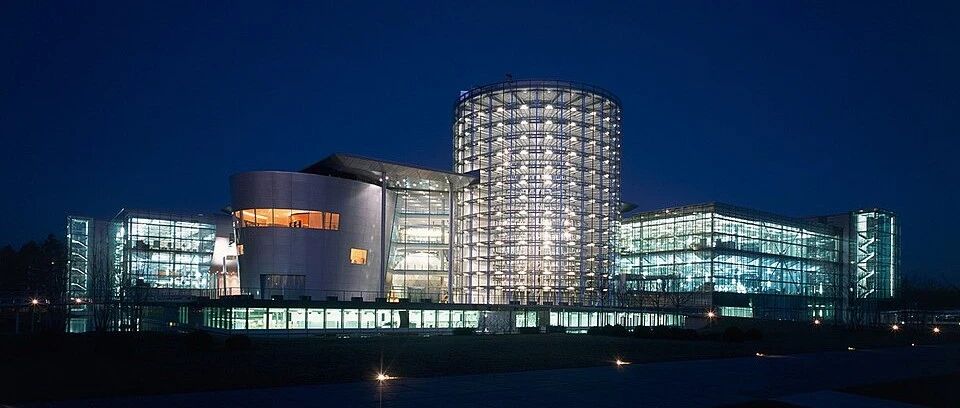
Core Viewpoint - The closure of Volkswagen's "Transparent Factory" in Dresden marks a significant shift in the company's strategy, transitioning from automotive production to a focus on technology and innovation, driven by market pressures and the need for efficiency [6][15][36]. Group 1: Factory Closure and Transition - The "Transparent Factory" will officially cease production on December 16, 2025, marking the first closure of a vehicle manufacturing plant in Germany in Volkswagen's 88-year history [6][10]. - Initially, Volkswagen planned to retain only 135 jobs at the factory, but after negotiations, this number was increased to 155 [6][10]. - The factory will be transformed into an innovation center in collaboration with Dresden University of Technology, with a commitment to invest over €50 million (approximately $58.3 million) over the next seven years [7][10]. Group 2: Economic Pressures and Strategic Decisions - Volkswagen's decision to close the factory is influenced by multiple market pressures, including weak demand in China, sluggish consumption in Europe, and high tariffs in the U.S. [16][20]. - The factory's production efficiency has been a concern, with a total output of less than 200,000 vehicles over 22 years, which is significantly lower than the output of Volkswagen's main plant in Wolfsburg [16][18]. - The company is facing a projected cash flow shortfall of €11 billion for its 2026 investment plan, leading to delays in approving strategic projects [23][25]. Group 3: Future Plans and Challenges - The innovation center will focus on high-tech fields such as artificial intelligence, microelectronics, chip design, materials science, robotics, and circular economy technologies [7][10]. - The transition will still allow the facility to function as a new car delivery center and an industrial tourism site, maintaining its "transparent" ethos [12][36]. - However, there are unresolved issues regarding the qualifications of personnel needed for the innovation center and the financing of the transformation [13][12]. Group 4: Financial Implications and Cost Savings - Volkswagen aims to save approximately €1.5 billion annually in labor costs through capacity and personnel reductions, with a total production capacity reduction of 734,000 vehicles in Germany [31][32]. - The company has reduced its five-year investment budget from €180 billion to €160 billion to alleviate financial pressure and focus on core business areas [27][36]. - The restructuring is seen as a necessary step to regain control and shape the company's future in the face of evolving market dynamics [36].