电动车转型

Search documents
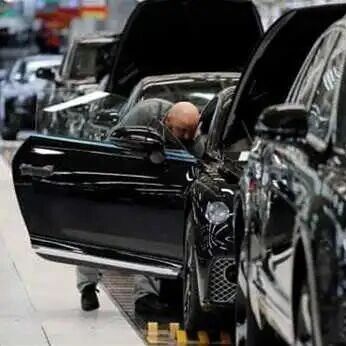
中东局势波及欧洲汽车市场
第一财经· 2026-03-17 10:29
Core Viewpoint - The European automotive industry is facing a more complex operating environment due to geopolitical tensions, energy price fluctuations, and the transition to electric vehicles [3]. Group 1: Geopolitical and Economic Impact - The ongoing tensions in the Middle East have raised concerns about energy supply and transportation safety, leading to increased uncertainty in the automotive industry [5]. - Industry representatives noted that geopolitical risks are affecting market sentiment, with consumer confidence declining due to uncertainty [5]. - Energy price volatility and rising logistics costs are expected to impact the automotive market, influencing production costs and consumer purchasing decisions [6]. Group 2: Trade Policies and Regulations - The EU's new Industrial Accelerator Act aims to boost demand for "Made in Europe" products, which could negatively impact the UK automotive industry if UK-made vehicles are excluded from this framework [8]. - The UK automotive sector is highly dependent on the EU market, with approximately 80% of UK-produced cars being exported, and nearly 70% of new cars imported coming from the EU [8]. - The post-Brexit trade arrangements include rules on electric vehicle origin, which may impose a 10% tariff on electric vehicles and batteries that do not meet origin requirements starting in 2027 [9]. Group 3: Global Competition - The rise of the Chinese automotive industry is becoming a significant topic, with increasing competitiveness in the global market [11]. - Chinese automotive companies are noted for their comprehensive product offerings, including fuel vehicles, hybrids, and electric vehicles, enhancing their competitive edge [11]. - Adjustments in UK electric vehicle policies may provide opportunities for Chinese companies, but their competitiveness is expected to remain strong regardless of policy changes [11].

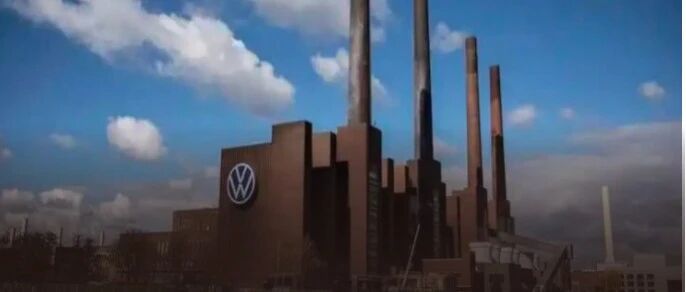
狂砍5000亿元预算,大众极限瘦身
汽车商业评论· 2026-02-17 23:05
Core Viewpoint - Volkswagen Group is implementing an unprecedented cost-cutting plan aiming to reduce expenses by 20% by the end of 2028, totaling approximately €60 billion [4][5][7]. Group 1: Cost-Cutting Measures - The cost reduction target applies to the entire group as well as all brands and subsidiaries, which include 12 independent brands covering passenger cars, commercial vehicles, and motorcycles [7]. - The restructuring plan is expected to involve significant measures, including potential layoffs and factory closures, as the company aims to achieve a 20% cost reduction across various operational areas [8][9]. - Volkswagen has already announced plans to cut 35,000 jobs in Germany by 2030 and reduce the board members of its core brand group from 29 to 19 [8][11]. Group 2: Financial Performance - Volkswagen Group's financial performance has been mixed, with a net loss of €1.072 billion in the first three quarters of 2025, a significant decline of approximately 168.8% compared to a net profit of €1.558 billion in the same period in 2024 [15]. - The company reported a decline in operating profit of €1.299 billion in Q3 2025, down 145.9% from €2.833 billion in Q3 2024, primarily due to weak performance in the Chinese market and the impact of U.S. import tariffs [15][16]. - Despite these challenges, Volkswagen's global vehicle deliveries increased by 1.8% year-on-year to 6.518 million units in the first nine months of 2025, with a notable 15% growth in the South American market [12][15]. Group 3: Market Strategy - Volkswagen plans to leverage its cost advantages in China to expand exports to global markets, particularly in the Middle East and Southeast Asia, while focusing on maintaining its position in the Chinese market [17][20]. - The company aims to utilize technology and products developed in China to enhance its competitiveness in overseas markets, responding to the increasing pressure from local Chinese brands [20]. - The broader context indicates that the German automotive industry is facing significant challenges, including a wave of layoffs and bankruptcies among suppliers, reflecting a decline in the traditional luxury image of German manufacturing [21][24].
欧盟松绑“燃油车禁令”,对我们意味着什么
Xin Lang Cai Jing· 2025-12-22 06:58
Group 1 - The European Commission has adjusted the "fuel vehicle ban," allowing new registrations of internal combustion engine vehicles after 2035, which relaxes the previous "zero emissions" standard [1] - The new regulation changes the carbon dioxide emission reduction target from 100% to 90%, allowing hybrid vehicles, range-extended electric vehicles, and even traditional fuel vehicles to be sold in the EU [1] - This policy adjustment is a response to various pressures, particularly from Germany, where the automotive industry is a key economic pillar, and aims to provide a more flexible and cost-effective transition path for manufacturers [1][2] Group 2 - The policy change has sparked intense debate within Europe, with supporters arguing it offers consumers more choices and gives manufacturers more time to transition to electric vehicles, while opponents believe it undermines climate protection goals [2] - For China, the relaxation of the fuel vehicle ban provides a buffer period for automotive powerhouses like Germany, but may also lead to a long-term disadvantage in the global electric vehicle race [3] - The new regulations require the use of environmentally friendly steel in vehicle production, which could favor local European steel over that from China and Turkey, while also promoting the development of local battery factories [3][4] Group 3 - The adjustment presents an opportunity for Chinese companies to expand their market presence and strengthen their technological advantages, as they have a complete supply chain for electric vehicles [3][4] - The competition between China and Europe will hinge on who can continue to advance technology and optimize industry layout during this critical period [4]
王琳:欧盟松绑“燃油车禁令”,对我们意味着什么
Huan Qiu Wang Zi Xun· 2025-12-21 22:53
Group 1 - The European Commission has adjusted the "fuel vehicle ban," allowing new registrations of internal combustion engine vehicles after 2035, relaxing the previous "zero emissions" standard [1] - The new regulation changes the carbon dioxide emission reduction target from 100% to 90%, allowing hybrid vehicles, range-extended electric vehicles, and even traditional fuel vehicles to be sold in the EU [1] - This policy adjustment is a response to various pressures, particularly from Germany, where the automotive industry is a key economic pillar, and aims to provide a more flexible and cost-effective transition path for manufacturers [1][2] Group 2 - The policy change has sparked intense debate within Europe, with supporters arguing it offers consumers more choices and gives manufacturers more time to transition to electric vehicles, while opponents believe it undermines climate goals by prolonging the market life of fuel vehicles [2] - For China, the relaxation of the ban provides a buffer period for automotive powerhouses like Germany, but may also lead to a long-term disadvantage in the global electric vehicle race, as battery technology continues to advance rapidly [3] - The new regulations require the use of environmentally friendly steel in vehicle production, which may favor local European steel over that from China and Turkey, while also promoting the development of local battery factories and supply chains [3][4] Group 3 - The adjustment of the fuel vehicle ban presents an opportunity for China to expand its market and strengthen its technological advantages, emphasizing the importance of continuous technological iteration and optimized industrial layout during this critical period [4]
大反转!欧盟,宣布放弃!丁仲礼院士的含金量还在上升
Zhong Guo Ji Jin Bao· 2025-12-17 13:44
Core Viewpoint - The European Union is planning to relax its 2035 ban on the sale of new internal combustion engine vehicles, marking a significant retreat from its green policies due to pressure from the automotive industry [2][3]. Group 1: EU Policy Changes - The EU Commission's new plan allows for the continued sale of certain non-pure electric vehicles, responding to demands from German and Italian automakers [2][3]. - The revised targets include a 90% reduction in carbon dioxide emissions by around 2035 compared to 2021 levels, down from the previous requirement of "zero emissions" for all new passenger cars and vans [3]. - The proposal provides a three-year window from 2030 to 2032 for automakers to average their emissions reductions, with passenger car emissions needing to be reduced by 55% compared to 2021 levels [3]. Group 2: Industry Reactions - Volkswagen, Europe's largest car manufacturer, supports the decision to open the internal combustion engine market while compensating for emissions, calling it a pragmatic approach [2]. - Analysts suggest that the global automotive industry is entering a "reset moment," rather than progressing linearly towards electrification [4]. - The CEO of Polestar warns that relaxing emission targets could harm both climate goals and Europe's competitiveness in the automotive sector [4]. Group 3: Competitive Landscape - The slowdown in electric vehicle transitions in the US and Europe may provide Chinese automakers an opportunity to solidify their market position, as they have established a leading edge in electric vehicles over the past decade [6][7]. - Traditional automakers like Ford are shifting focus back to fuel and hybrid models, indicating a retreat from aggressive electric vehicle plans [6][7]. - Despite potential impacts from reduced demand in Europe, Chinese automakers are expected to remain competitive, with the ability to expand into markets in South America, the Middle East, and Southeast Asia [7].

欧洲车市“金九银十”行情延续:平价电动车受捧 销量实现四连涨
智通财经网· 2025-11-25 06:52
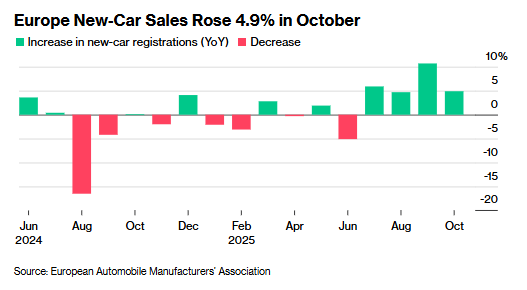
Core Insights - European new car registrations increased by 4.9% year-on-year in October, reaching 1.09 million units, marking the fourth consecutive month of growth driven by the introduction of more affordable electric vehicle models [1][3] Group 1: Market Performance - Spain and Germany showed the most significant sales growth among major markets, while the UK and Italy experienced stagnation [1] - In October, electric vehicle sales in Europe saw substantial growth, with plug-in hybrid vehicle registrations surging by 40% and pure electric vehicle registrations increasing by nearly one-third [3] - Renault's sales grew by 11% year-on-year in October, while Volkswagen and BMW also reported steady growth [3] Group 2: Competitive Landscape - BYD, a Chinese automaker, demonstrated remarkable performance in the region, with sales more than doubling, significantly outpacing Tesla, which saw a 48% drop in registrations [3] - Despite ongoing investments in electric vehicle development, some manufacturers are seeking more flexibility from policymakers regarding emission regulations [6] - The upcoming meeting between automakers and EU officials will discuss potential adjustments to the 2035 ban on gasoline vehicles, with differing stances from Germany and Spain on regulatory flexibility [6] Group 3: Future Outlook - Analysts predict that the European automotive market will continue to improve from 2026 to 2027, with local manufacturers expected to begin a recovery process starting next year due to new electric vehicle subsidy policies, cost control measures, and strategic adjustments [7]


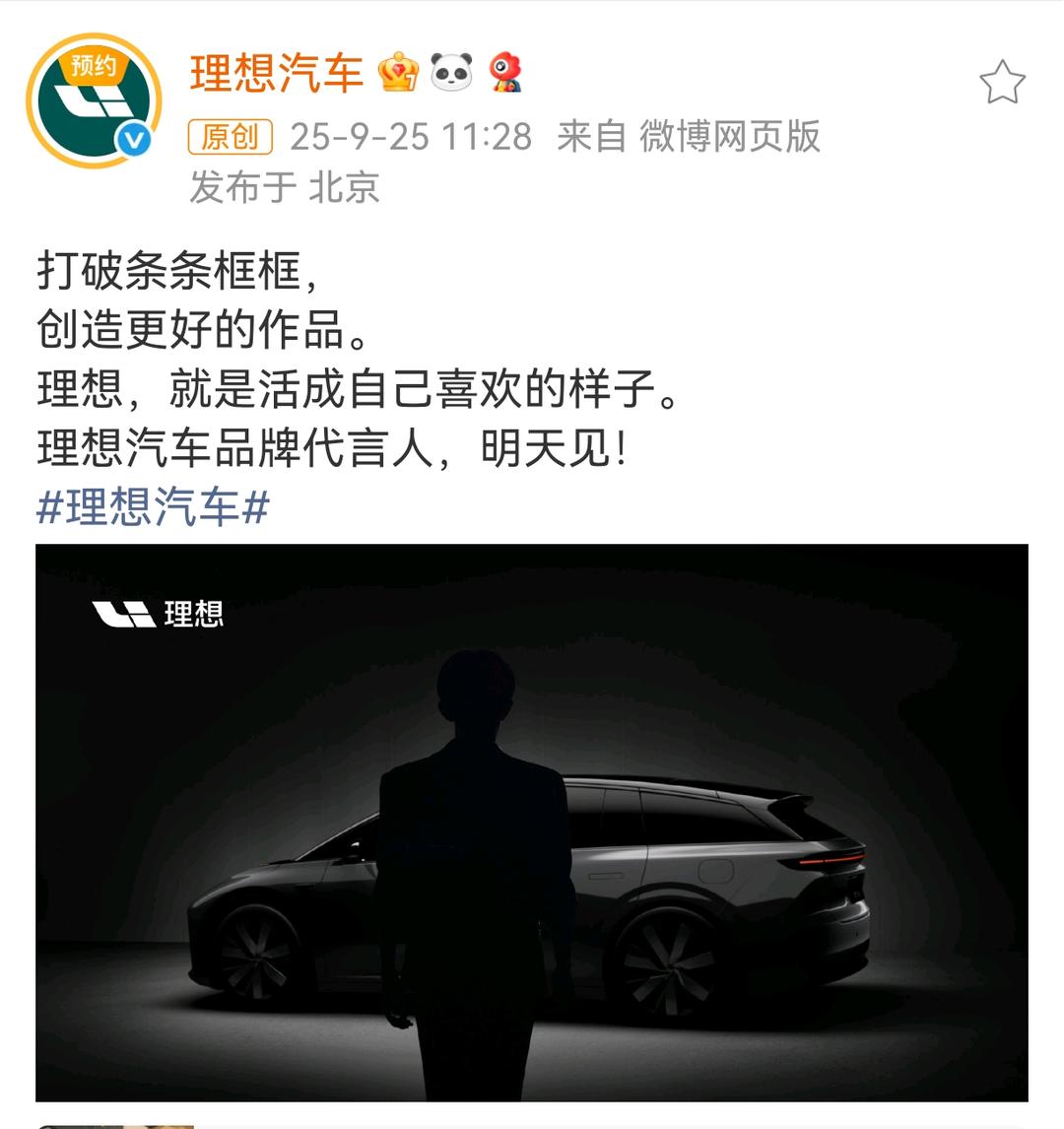
果然财评|理想汽车“食言”寻顶流,易烊千玺能否撬动年轻市场
Qi Lu Wan Bao· 2025-09-25 09:55
Core Insights - Li Auto has shifted its marketing strategy by signing a brand ambassador, Yi Yangqianxi, which marks a significant change from its previous stance of not hiring celebrity endorsements [2][5] - The launch of the Li Auto i6 is positioned to attract younger consumers, aligning with the brand's new strategic direction [5][9] - The i6 is set to be a key model for Li Auto, with ambitious sales targets and features aimed at enhancing its market competitiveness [6][10] Group 1: Marketing Strategy - The announcement of Yi Yangqianxi as a brand ambassador coincides with the i6's launch, creating a strong buzz and engagement on social media [2][5] - This partnership is expected to leverage Yi Yangqianxi's influence across various age groups, particularly appealing to the Z generation and young adults [5][9] - Previous successful endorsements by Yi Yangqianxi, such as with BMW, indicate his potential impact on Li Auto's brand visibility and sales [6][9] Group 2: Product and Sales Strategy - The Li Auto i6 is positioned as a large five-seat pure electric SUV, priced between 250,000 to 300,000 yuan, featuring advanced technology and spacious design [6][10] - The CEO has set a sales target of 9,000 to 10,000 units per month for the i6, contributing to an overall goal of 18,000 to 20,000 units for all pure electric models [6][10] - Analysts suggest a more aggressive pricing strategy for the i6 to enhance its competitiveness in the market [9]