辉腾

Search documents
狂砍5000亿元预算,大众极限瘦身
汽车商业评论· 2026-02-17 23:05
Core Viewpoint - Volkswagen Group is implementing an unprecedented cost-cutting plan aiming to reduce expenses by 20% by the end of 2028, totaling approximately €60 billion [4][5][7]. Group 1: Cost-Cutting Measures - The cost reduction target applies to the entire group as well as all brands and subsidiaries, which include 12 independent brands covering passenger cars, commercial vehicles, and motorcycles [7]. - The restructuring plan is expected to involve significant measures, including potential layoffs and factory closures, as the company aims to achieve a 20% cost reduction across various operational areas [8][9]. - Volkswagen has already announced plans to cut 35,000 jobs in Germany by 2030 and reduce the board members of its core brand group from 29 to 19 [8][11]. Group 2: Financial Performance - Volkswagen Group's financial performance has been mixed, with a net loss of €1.072 billion in the first three quarters of 2025, a significant decline of approximately 168.8% compared to a net profit of €1.558 billion in the same period in 2024 [15]. - The company reported a decline in operating profit of €1.299 billion in Q3 2025, down 145.9% from €2.833 billion in Q3 2024, primarily due to weak performance in the Chinese market and the impact of U.S. import tariffs [15][16]. - Despite these challenges, Volkswagen's global vehicle deliveries increased by 1.8% year-on-year to 6.518 million units in the first nine months of 2025, with a notable 15% growth in the South American market [12][15]. Group 3: Market Strategy - Volkswagen plans to leverage its cost advantages in China to expand exports to global markets, particularly in the Middle East and Southeast Asia, while focusing on maintaining its position in the Chinese market [17][20]. - The company aims to utilize technology and products developed in China to enhance its competitiveness in overseas markets, responding to the increasing pressure from local Chinese brands [20]. - The broader context indicates that the German automotive industry is facing significant challenges, including a wave of layoffs and bankruptcies among suppliers, reflecting a decline in the traditional luxury image of German manufacturing [21][24].

大众集团首次关闭德国本土工厂
Cai Jing Wang· 2025-12-27 08:54
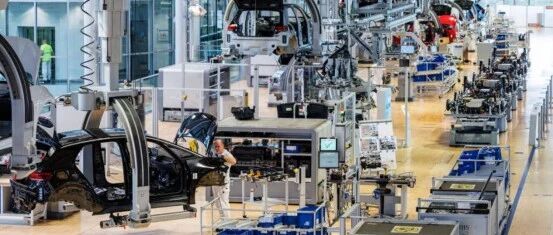
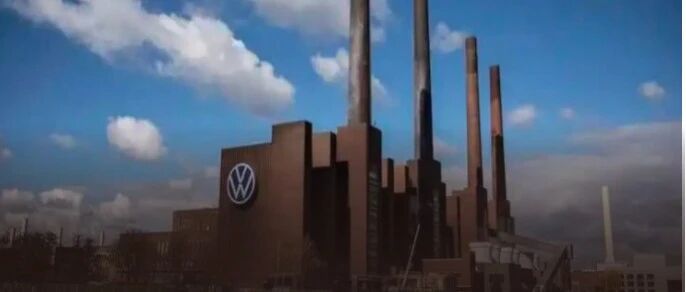
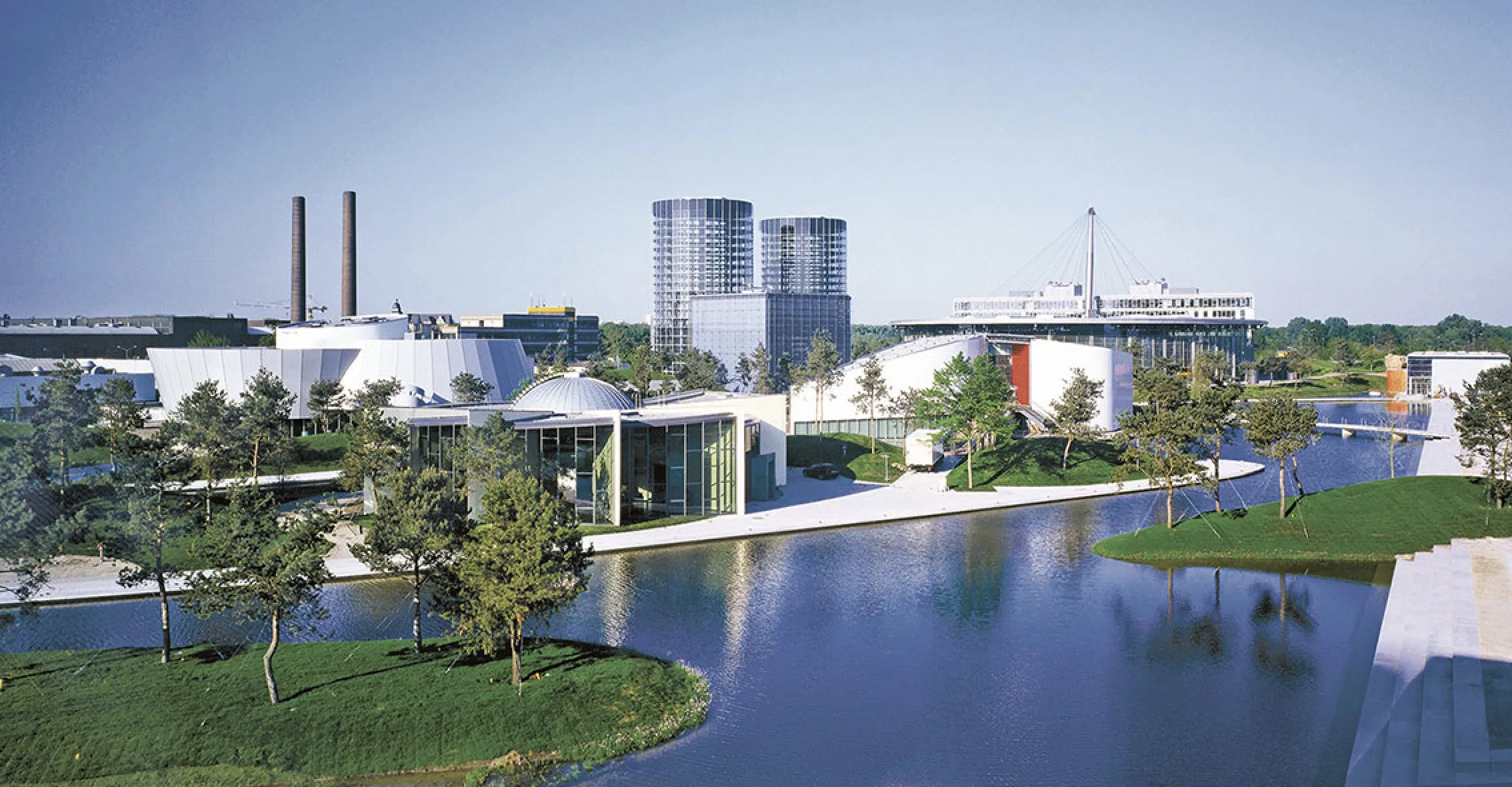
Core Viewpoint - Volkswagen is closing its factory in Dresden, Germany, marking the first closure of a domestic plant in its 88-year history, driven by economic pressures and a need for restructuring [1][3][5]. Group 1: Factory Closure Details - The last vehicle left the Dresden factory on December 16, 2025, and the site will be transformed into a research park focusing on AI, robotics, and chip development, while remaining open to the public as a tourist attraction [1][3]. - The Dresden factory, established in 2002, initially produced the luxury Phaeton but later shifted to electric vehicle assembly, including models like the e-Golf and ID.3 [4]. Group 2: Economic Context - The European automotive market is facing significant challenges, with increased competition and declining competitiveness of Germany as a manufacturing base, prompting Volkswagen to take decisive action [5]. - Volkswagen's management has decided to terminate its employment protection agreement, which has been in place since 1994, to facilitate necessary structural adjustments for improved competitiveness [9]. Group 3: Financial Performance - In Q3 2025, Volkswagen reported a revenue of €80.3 billion, a 2.3% increase year-on-year, but faced an operating loss of €1.3 billion compared to a profit of €2.8 billion in the same period last year [10][11]. - The company experienced a net loss of €1.07 billion in Q3 2025, a significant decline of 168.8% compared to a profit of €1.56 billion in the previous year [10][12]. - The decline in performance is attributed to increased production of low-margin electric vehicles and additional burdens totaling €7.5 billion, including U.S. import tariffs and strategic adjustments at Porsche [12][13]. Group 4: Porsche's Performance - Porsche also faced financial difficulties, reporting a 6% decline in revenue to €26.86 billion in the first three quarters of 2025, with a drastic drop in sales profit to €4 million, down 99% from €403.5 million year-on-year [13][15]. - The brand's sales in China fell by 26% in the first three quarters, impacted by competition from domestic electric vehicle brands and a lag in its own electrification efforts [15].
“最好的德国制造”大众汽车,扛不住了
阿尔法工场研究院· 2025-12-23 02:32
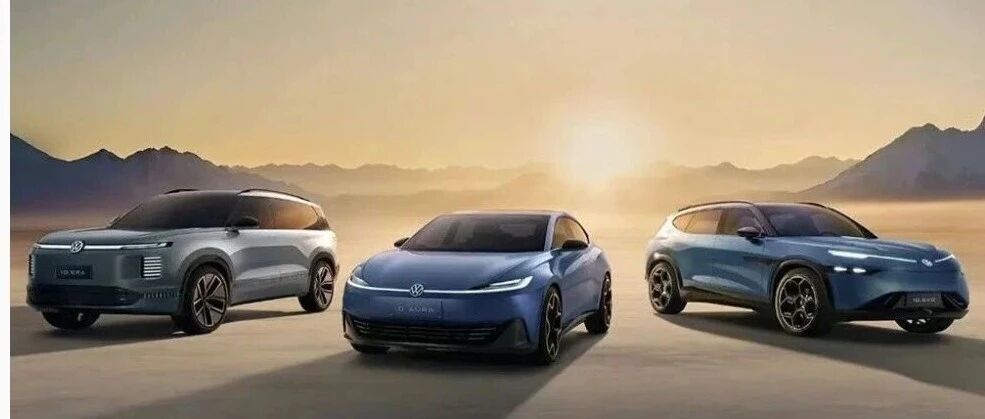
Core Viewpoint - Volkswagen has closed its first domestic factory in Germany, signaling a significant shift in its operational strategy amid declining sales and increasing competition, particularly in the electric vehicle market [4][6][10]. Financial Performance - In Q3, Volkswagen reported revenues of €80.305 billion, a 2.3% increase year-on-year, but faced an operating loss of €1.299 billion, a stark contrast to the operating profit of €2.833 billion in the same period last year, marking a decline of over €4.1 billion [7][8]. - The net loss for the quarter was €1.072 billion, compared to a net profit of €1.558 billion in the previous year, representing a year-on-year decline of approximately 168.8% [7][8]. - For the first three quarters of the year, net profit dropped by 61.5% to €3.4 billion compared to the same period last year [7]. Market Challenges - Volkswagen's sales in North America have been severely impacted by a 25% import tariff, leading to a 9.8% year-on-year decline in Q3 sales, totaling 246,900 vehicles [11][12]. - In Europe, Volkswagen's sales have decreased by 2 million vehicles over the past four years, exacerbated by high energy costs and labor disputes, which have driven up production costs [13]. - The company has set aside €600 million to address potential fines for failing to meet CO2 emissions regulations in Europe, further eroding profits [13]. Strategic Adjustments - Volkswagen has revised its investment plan, reducing the total investment from €180 billion to €160 billion over the next five years due to anticipated near-zero net cash flow in its automotive division by 2025 [10]. - The company plans to launch over 20 new electric vehicle models in China by 2027, aiming to offer around 30 electric models by 2030 [22]. Consumer Sentiment - Volkswagen's sales in China have dropped from a peak of 423,000 vehicles in 2019 to an estimated 290,000 in 2024, a decline of over 30% [15]. - The majority of Volkswagen's sales in China still rely on traditional fuel vehicles, with 95% of sales in the first nine months of the year being fuel cars [15]. - Consumer dissatisfaction with the ID.3 electric model has been noted, with complaints regarding performance and safety issues, indicating a disconnect with current consumer preferences for electric vehicles [16][20][22].
中年男人的「神车」,首次关闭本土工厂
3 6 Ke· 2025-12-19 13:47
Core Viewpoint - Volkswagen, representing the German automotive industry, is facing significant challenges, leading to the closure of its first domestic factory in Germany, raising concerns that Wolfsburg may become the next Detroit [2][3]. Financial Performance - In Q3, Volkswagen Group reported revenue of €80.305 billion, a year-on-year increase of 2.3%, but incurred an operating loss of €1.299 billion, a stark contrast to the operating profit of €2.833 billion in the same period last year, marking a decline of over €4.1 billion [6][7]. - The net loss for the quarter was €1.072 billion, a decrease of approximately 168.8% compared to a net profit of €1.558 billion in the previous year, representing the first quarterly loss in five years [6][7]. - For the first three quarters of the year, net profit dropped by 61.5% to €3.4 billion compared to the same period last year [6]. Market Challenges - Volkswagen is grappling with intense competition in China, high import tariffs in the U.S., and soaring costs associated with the transition to electric vehicles, leading to declines in all major markets [3][10]. - The company anticipates a financial loss of up to €5 billion due to U.S. tariff policies, which have severely impacted sales in North America, where Q3 sales fell by 9.8% year-on-year to 246,900 units [9][10]. - In Europe, Volkswagen's sales have decreased by 2 million units over the past four years, exacerbated by high energy costs and labor disputes, leading to increased production costs [10]. Strategic Adjustments - Volkswagen has revised its investment plan, reducing the total investment from €180 billion to €160 billion over the next five years due to anticipated net cash flow nearing zero in the automotive sector by 2025 [8]. - The company plans to launch over 20 new energy vehicles in China by 2027 and approximately 30 electric models by 2030, recognizing the need to adapt to changing consumer preferences [19]. Consumer Sentiment - Volkswagen's ID.3 electric vehicle has faced criticism for not meeting consumer expectations in China, with complaints about performance and safety issues, leading to a decline in market confidence [14][17]. - The sales composition in China remains heavily reliant on fuel vehicles, with 95% of sales in the first nine months being traditional vehicles, highlighting a disconnect with the growing demand for electric vehicles [13].
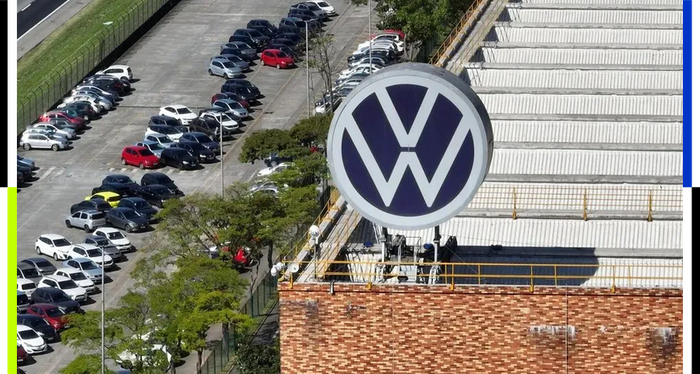
中年男人的「神车」,首次关闭本土工厂
36氪· 2025-12-19 13:19
Core Viewpoint - Volkswagen is facing significant challenges, including factory closures, declining sales, and financial losses, raising concerns about its future in the automotive industry, particularly in Germany, which may resemble the decline of Detroit [4][5][7]. Financial Performance - In Q3, Volkswagen reported revenues of €80.31 billion, a 2.3% increase year-on-year, but faced an operating loss of €1.30 billion compared to an operating profit of €2.83 billion in the same period last year, marking a decline of over €4.1 billion [9]. - The net loss for the quarter was €1.07 billion, a significant drop of approximately 168.8% from a net profit of €1.56 billion in the previous year, representing Volkswagen's first quarterly loss in five years [9]. - For the first three quarters of the year, net profit decreased by 61.5% to €3.4 billion compared to the same period last year [9]. Market Challenges - Volkswagen's sales in North America have been severely impacted by a 25% import tariff effective from April 2025, leading to a 9.8% year-on-year decline in Q3 sales to 246,900 units [15][16]. - The company anticipates a financial loss of up to €5 billion due to the U.S. tariff policy [17]. - In Europe, Volkswagen's sales have decreased by 2 million units over the past four years, compounded by high energy costs and labor disputes, which have increased production costs [17]. Strategic Adjustments - Volkswagen has revised its investment plan, reducing the total investment from €180 billion to €160 billion over the next five years due to anticipated near-zero net cash flow in its automotive division by 2025 [12]. - The company is struggling to adapt to the electric vehicle (EV) market, with a significant reliance on fuel vehicles in China, where EV sales are rapidly increasing [20][21]. Consumer Sentiment - Volkswagen's ID.3 electric vehicle has faced criticism for not meeting consumer expectations in China, where it lacks competitive pricing and features compared to local brands [21][22]. - The ID.3 has been associated with numerous complaints, including safety issues and performance failures, which have further eroded consumer confidence [24][26]. Future Outlook - Volkswagen plans to launch over 20 new electric vehicle models in China by 2027 and aims to offer around 30 pure electric models by 2030 [26]. - The closure of the Dresden factory symbolizes the challenges Volkswagen faces in adapting to a rapidly changing automotive landscape, necessitating a complete overhaul of its strategies and operations [26].
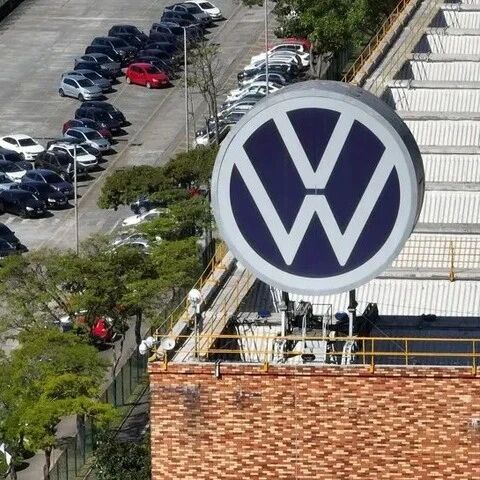
中年男人的“神车”,首次关闭本土工厂
虎嗅APP· 2025-12-19 09:56
Core Viewpoint - Volkswagen is facing significant challenges, including the closure of its first factory in Germany after 88 years, driven by economic necessity amid declining sales and increased competition in key markets [4][7][21]. Financial Performance - In Q3, Volkswagen reported revenue of €80.305 billion, a 2.3% increase year-on-year, but faced an operating loss of €1.299 billion, a stark contrast to the previous year's profit of €2.833 billion, marking a decline of over €4.1 billion [7][8]. - The net loss for the quarter was €1.072 billion, compared to a net profit of €1.558 billion in the same period last year, representing a decline of approximately 168.8% [7][8]. - For the first three quarters of the year, net profit dropped by 61.5% to €3.4 billion compared to the same period last year [7]. Market Challenges - Volkswagen's sales in North America have been severely impacted by a 25% import tariff, leading to a 9.8% year-on-year decline in Q3 sales to 246,900 units [11][12]. - The company anticipates a financial loss of up to €5 billion due to the U.S. tariff policy [12]. - In Europe, Volkswagen's sales have decreased by 2 million units over the past four years, exacerbated by high energy costs and labor disputes [12]. Strategic Adjustments - Volkswagen has revised its investment plan, reducing the total investment from €180 billion to €160 billion over the next five years due to anticipated near-zero net cash flow in the automotive sector by 2025 [9][21]. - The company plans to launch over 20 new electric vehicle models in China by 2027, aiming to offer around 30 electric models by 2030 [21]. Consumer Sentiment - Volkswagen's electric vehicle offerings, particularly the ID.3, are struggling to meet consumer expectations in China, where 95% of its sales are still reliant on traditional fuel vehicles [15][21]. - The ID.3 has faced multiple complaints regarding safety and performance issues, which have further eroded consumer confidence [17][21].
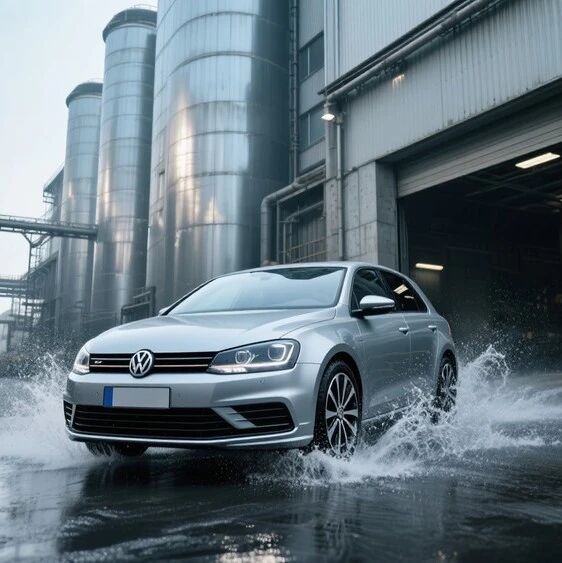
全球电动化陷“逆潮”:欧洲撤回禁燃令,大众关闭德国工厂,福特转投增程与储能
高工锂电· 2025-12-18 10:18
Core Viewpoint - The global automotive industry is experiencing a significant strategic overhaul due to weak electric vehicle demand, low capital returns, and fluctuating regulatory policies, highlighted by Ford's announcement of a $19.5 billion asset write-down [2]. Group 1: Ford's Strategic Shift - Ford has announced a $19.5 billion pre-tax charge, marking one of the largest single asset write-downs in U.S. automotive history, with approximately $6 billion stemming from the dissolution of its battery joint venture with SK On [2]. - The company has officially halted production plans for the all-electric F-150 Lightning pickup and recognized substantial losses related to idle assets associated with large electric vehicles [2]. - CEO Jim Farley stated that due to high battery costs and resistance from large truck buyers towards pure electric technology, Ford will significantly shift future capital expenditures from electric models to "extended-range" hybrid vehicles [2][3]. - By 2030, Ford aims for hybrid and extended-range models to account for 50% of its global sales, up from the current 17%, while focusing on a $30,000 small pickup based on a "universal electric vehicle platform" set to launch in 2027 [3]. Group 2: Asset Reutilization and Energy Solutions - To salvage billions in idle battery capacity, Ford is implementing an ambitious "asset reutilization" plan, leveraging technology from CATL to enter the rapidly growing grid storage market due to the AI boom [3]. - Ford plans to invest $2 billion over the next two years to revamp its battery plants in Glendale, Kentucky, and Marshall, Michigan, with the Kentucky plant set to produce lithium iron phosphate batteries and energy storage systems, targeting over 20 GWh annual capacity by 2027 [3]. - The Michigan facility is scheduled to begin production in 2026, producing energy cells for residential storage systems, indicating Ford's transition from a traditional automaker to an energy solutions provider, despite temporary layoffs of about 1,600 workers during the plant modifications [3]. Group 3: European Market Dynamics - The European market is also undergoing significant contraction, with a strategic shift in policy direction that no longer seeks to completely eliminate internal combustion engines but instead embraces a "technology-neutral" approach [4]. - This policy adjustment allows for the long-term viability of synthetic fuels and plug-in hybrid technologies, effectively postponing the "death" of internal combustion engines indefinitely [4]. - Volkswagen has confirmed the permanent closure of its Dresden "Transparent Factory," ending 88 years of production continuity in Germany, due to collapsing market demand and high operational costs [4][5]. - Volkswagen's CFO acknowledged severe cash flow pressures, leading to a reduction in the five-year investment budget from €180 billion to €160 billion, reallocating funds originally intended for aggressive electrification to extend the lifespan of fuel engines [4]. Group 4: Asian Market Challenges - In Asia, particularly Japan, policy changes are increasing barriers to the adoption of electric vehicles, with the government planning to introduce a "weight tax" based on vehicle weight starting May 2028, impacting heavier electric and plug-in hybrid vehicles [6]. - This decision aims to address the revenue shortfall from declining gasoline vehicle sales and requires heavier vehicles to contribute to road maintenance costs, reflecting a shift in balancing fiscal contributions from fuel and electric vehicles post-subsidy reductions [6].

88年历史上首次! 大众关闭德国本土工厂
鑫椤锂电· 2025-12-18 08:40
Core Viewpoint - Volkswagen is set to close its Dresden factory, marking the first closure of a production base in Germany since its establishment 88 years ago, due to severe cash flow pressures and declining sales in China and Europe, compounded by U.S. tariff impacts [1][2]. Group 1 - The Dresden factory was initially a flagship site for Volkswagen's engineering prowess, primarily assembling the high-end Phaeton model [1]. - After the Phaeton's discontinuation in 2016, the factory transitioned to become a symbol of Volkswagen's electrification efforts, focusing on the production of the ID.3 electric vehicle [2]. - The factory's production has been significantly low, with fewer than 200,000 vehicles produced since its inception in 2002, which is less than half of the annual output of Volkswagen's Wolfsburg plant [2]. Group 2 - Following the closure, the site will be leased to Dresden University of Technology and will transform into a research park focused on artificial intelligence, robotics, and chip development, while also remaining open to the public as a tourist attraction [2]. - Last year, Volkswagen announced plans to cut 35,000 jobs in Germany by 2030 and reduce production capacity [2].

太突然,中年男人的“神车”,首次关闭本土工厂
3 6 Ke· 2025-12-18 07:16
Core Viewpoint - Volkswagen, a symbol of German manufacturing, has closed its first factory in Germany after 88 years, signaling significant challenges in the automotive industry, particularly in the face of competition in China, high tariffs in the U.S., and costly transitions to electric vehicles [1][3]. Financial Performance - In Q3, Volkswagen reported revenues of €80.305 billion, a 2.3% increase year-on-year, but faced an operating loss of €1.299 billion, a stark contrast to the operating profit of €2.833 billion in the same period last year, marking a decline of over €4.1 billion [3][4]. - The net loss for the quarter was €1.072 billion, compared to a net profit of €1.558 billion in the previous year, representing a decline of approximately 168.8% [3][4]. - For the first three quarters of the year, net profit dropped by 61.5% to €3.4 billion compared to the same period last year [3]. Market Challenges - Volkswagen's sales in North America have been severely impacted by a 25% import tariff effective from April 2025, leading to a 9.8% year-on-year decline in Q3 sales to 246,900 units [6][7]. - The company anticipates a financial loss of up to €5 billion due to the U.S. tariff policy [7]. - In Europe, Volkswagen's sales have decreased by 2 million units over the past four years, exacerbated by high energy costs and labor disputes, which have increased production costs [7]. Electric Vehicle Transition - Volkswagen's aggressive transition to electric vehicles has faced significant hurdles, with the company incurring substantial compliance and conversion costs without sufficient returns [7][15]. - The company has set a target to launch over 20 new energy vehicles in China by 2027 and approximately 30 electric models by 2030 [15]. - However, the current sales composition in China remains heavily reliant on fuel vehicles, with 95% of sales in the first nine months being traditional vehicles, highlighting a disconnect with consumer preferences shifting towards electric vehicles [9][10]. Consumer Sentiment - The ID.3 model has faced criticism for not meeting consumer expectations in China, with complaints about performance and safety issues, which have affected brand perception [10][12][14]. - The competitive landscape in China, characterized by local brands offering better value propositions, has made it difficult for Volkswagen to maintain its market share [10][14].
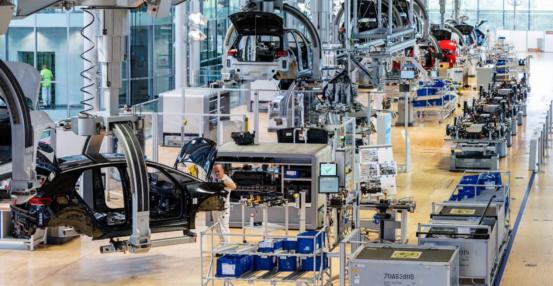
太突然!中年男人的“神车”,首次关闭本土工厂
凤凰网财经· 2025-12-18 06:10
Group 1 - Volkswagen has closed its first factory in Germany, located in Dresden, marking a significant shift for the company after 88 years of operation [1] - The closure is a response to multiple challenges, including fierce competition in China, high import tariffs in the U.S., and rising costs associated with electric vehicle transformation in Europe [1][10] - Volkswagen's CEO Thomas Schäfer stated that the decision to end production at the Dresden plant was necessary from an economic perspective [2] Group 2 - In Q3, Volkswagen reported revenues of €80.305 billion, a 2.3% increase year-on-year, but faced an operating loss of €1.299 billion compared to a profit of €2.833 billion in the same period last year, marking a decline of over €4.1 billion [2][3] - The net loss for the quarter was €1.072 billion, a significant drop from a net profit of €1.558 billion in the previous year, representing a year-on-year decline of approximately 168.8% [2][3] - For the first three quarters of the year, Volkswagen's net profit decreased by 61.5% to €3.4 billion compared to the same period last year [2] Group 3 - Volkswagen anticipates that its automotive division's net cash flow will approach zero by 2025, leading to a reduction in its investment plans from €180 billion to €160 billion over the next five years [6] - The company is facing a potential financial loss of up to €5 billion due to U.S. tariffs on imported vehicles, which have significantly impacted sales in North America [9][10] - In Europe, Volkswagen's sales have decreased by 2 million units over the past four years, exacerbated by high energy costs and labor disputes, leading to increased production costs [10] Group 4 - In China, Volkswagen's sales have dropped from a peak of 4.23 million units in 2019 to approximately 2.9 million units in 2024, a decline of over 30% [13] - The majority of Volkswagen's sales in China still rely on fuel vehicles, with 95% of sales in the first nine months of the year being traditional fuel cars, which contrasts sharply with the rising demand for electric vehicles [13][14] - Consumer preferences in China are shifting towards electric vehicles with better features and pricing, making it difficult for Volkswagen's ID.3 to compete effectively [14][15] Group 5 - The ID.3 has faced criticism for safety issues, including reports of unexpected braking, which have raised concerns among consumers and affected the brand's reputation [15][16] - Volkswagen's electric vehicle sales are not meeting expectations, leading to a lack of confidence among its joint ventures in China, as electric vehicles contribute less to profit margins compared to fuel vehicles [17] - Despite the challenges, Volkswagen plans to launch over 20 new energy vehicles in China by 2027 and aims to offer around 30 electric models by 2030 [17]