ID.3电动车

Search documents
国际观察|德国汽车业“巨象”转身难
Xin Hua She· 2025-12-17 15:43
Core Viewpoint - The closure of Volkswagen's Dresden plant marks the first shutdown of a domestic assembly facility in Germany in 88 years, highlighting the significant pressures faced by German automakers during their transition to electric vehicles and new technologies [1][2]. Group 1: Financial Performance and Challenges - Volkswagen reported a net loss of €1.072 billion in Q3 2025, marking its first quarterly loss in five years, with Porsche's operating profit dropping approximately 99% in the same period [2][4]. - The company has lowered its performance expectations multiple times this year, projecting an operating profit margin of only 2% to 3% for 2025, with near-zero net cash flow from automotive operations [2][4]. - The German automotive industry has seen a net reduction of about 51,500 jobs in the past 12 months, representing nearly 7% of total jobs, making it the most affected industrial sector in Germany [4]. Group 2: Industry Transformation and Strategic Shifts - The closure of the Dresden plant breaks the long-standing industry norm of not touching domestic production lines, reflecting the high cost pressures and challenges in the electrification transition faced by the German automotive sector [3][4]. - The automotive industry is at a crossroads, with traditional suppliers facing bankruptcy and layoffs due to slow transitions, while manufacturers struggle to gain a competitive edge in the rapidly evolving technology landscape [4][5]. - A recent analysis by Ernst & Young indicated that the combined EBIT of Volkswagen, BMW, and Mercedes-Benz is expected to fall to approximately €1.7 billion by Q3 2025, a 76% year-on-year decline, marking the lowest level since 2009 [4]. Group 3: Regulatory and Market Responses - In response to internal and external pressures, German automakers are exploring various paths for self-rescue, including lobbying the EU to ease aggressive transition mandates [5][6]. - The European Commission proposed to relax the 2035 ban on the sale of combustion engine vehicles, suggesting a shift from a "zero-emission" target to a "90% reduction" goal, which has been welcomed by German officials and automakers [5][6]. - Some German automakers are considering relocating production capacity to the U.S. to avoid high tariffs, which could have long-term implications for the domestic industrial base [6].
今天,大众历史上首次关闭本土工厂
汽车商业评论· 2025-12-15 23:06
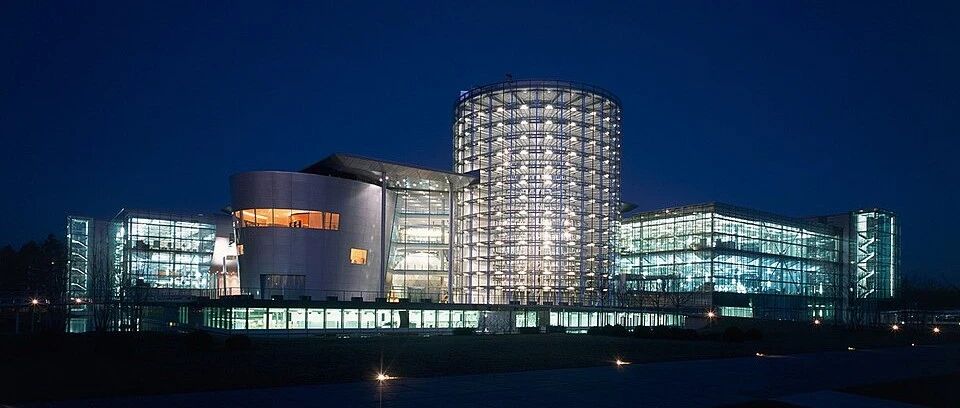
Core Viewpoint - The closure of Volkswagen's "Transparent Factory" in Dresden marks a significant shift in the company's strategy, transitioning from automotive production to a focus on technology and innovation, driven by market pressures and the need for efficiency [6][15][36]. Group 1: Factory Closure and Transition - The "Transparent Factory" will officially cease production on December 16, 2025, marking the first closure of a vehicle manufacturing plant in Germany in Volkswagen's 88-year history [6][10]. - Initially, Volkswagen planned to retain only 135 jobs at the factory, but after negotiations, this number was increased to 155 [6][10]. - The factory will be transformed into an innovation center in collaboration with Dresden University of Technology, with a commitment to invest over €50 million (approximately $58.3 million) over the next seven years [7][10]. Group 2: Economic Pressures and Strategic Decisions - Volkswagen's decision to close the factory is influenced by multiple market pressures, including weak demand in China, sluggish consumption in Europe, and high tariffs in the U.S. [16][20]. - The factory's production efficiency has been a concern, with a total output of less than 200,000 vehicles over 22 years, which is significantly lower than the output of Volkswagen's main plant in Wolfsburg [16][18]. - The company is facing a projected cash flow shortfall of €11 billion for its 2026 investment plan, leading to delays in approving strategic projects [23][25]. Group 3: Future Plans and Challenges - The innovation center will focus on high-tech fields such as artificial intelligence, microelectronics, chip design, materials science, robotics, and circular economy technologies [7][10]. - The transition will still allow the facility to function as a new car delivery center and an industrial tourism site, maintaining its "transparent" ethos [12][36]. - However, there are unresolved issues regarding the qualifications of personnel needed for the innovation center and the financing of the transformation [13][12]. Group 4: Financial Implications and Cost Savings - Volkswagen aims to save approximately €1.5 billion annually in labor costs through capacity and personnel reductions, with a total production capacity reduction of 734,000 vehicles in Germany [31][32]. - The company has reduced its five-year investment budget from €180 billion to €160 billion to alleviate financial pressure and focus on core business areas [27][36]. - The restructuring is seen as a necessary step to regain control and shape the company's future in the face of evolving market dynamics [36].