电动版F系列皮卡

Search documents
大反转!欧盟,宣布放弃!丁仲礼院士的含金量还在上升
Zhong Guo Ji Jin Bao· 2025-12-17 13:44
Core Viewpoint - The European Union is planning to relax its 2035 ban on the sale of new internal combustion engine vehicles, marking a significant retreat from its green policies due to pressure from the automotive industry [2][3]. Group 1: EU Policy Changes - The EU Commission's new plan allows for the continued sale of certain non-pure electric vehicles, responding to demands from German and Italian automakers [2][3]. - The revised targets include a 90% reduction in carbon dioxide emissions by around 2035 compared to 2021 levels, down from the previous requirement of "zero emissions" for all new passenger cars and vans [3]. - The proposal provides a three-year window from 2030 to 2032 for automakers to average their emissions reductions, with passenger car emissions needing to be reduced by 55% compared to 2021 levels [3]. Group 2: Industry Reactions - Volkswagen, Europe's largest car manufacturer, supports the decision to open the internal combustion engine market while compensating for emissions, calling it a pragmatic approach [2]. - Analysts suggest that the global automotive industry is entering a "reset moment," rather than progressing linearly towards electrification [4]. - The CEO of Polestar warns that relaxing emission targets could harm both climate goals and Europe's competitiveness in the automotive sector [4]. Group 3: Competitive Landscape - The slowdown in electric vehicle transitions in the US and Europe may provide Chinese automakers an opportunity to solidify their market position, as they have established a leading edge in electric vehicles over the past decade [6][7]. - Traditional automakers like Ford are shifting focus back to fuel and hybrid models, indicating a retreat from aggressive electric vehicle plans [6][7]. - Despite potential impacts from reduced demand in Europe, Chinese automakers are expected to remain competitive, with the ability to expand into markets in South America, the Middle East, and Southeast Asia [7].

大反转!欧盟,宣布放弃!丁仲礼院士的含金量还在上升......
Zhong Guo Ji Jin Bao· 2025-12-17 13:42
Core Viewpoint - The European Union is planning to abandon its 2035 ban on the sale of new internal combustion engine vehicles, marking a significant retreat in its green policy efforts [3]. Group 1: EU Policy Changes - The EU Commission has proposed to relax the current arrangement that essentially bans the sale of new fuel vehicles starting in 2035, responding to pressure from the automotive industry [3]. - The proposal still requires approval from EU member states and the European Parliament, and if implemented, it will allow certain non-pure electric models to continue being sold [3]. - The new targets set by the EU include a 90% reduction in carbon dioxide emissions by around 2035 compared to 2021 levels, a shift from the previous requirement for all new passenger cars and vans to achieve "zero emissions" by 2035 [4]. Group 2: Industry Reactions - Major automotive companies, including Volkswagen, have welcomed the proposal, stating that it is a pragmatic approach to market realities while allowing for the continued existence of plug-in hybrid electric vehicles (PHEVs) and range-extended models [3]. - Analysts suggest that the global automotive industry is entering a "reset moment," rather than progressing linearly towards electrification [5]. - The CEO of Swedish electric vehicle manufacturer Polestar warned that relaxing emission targets could harm both climate efforts and Europe's competitiveness [5]. Group 3: Competitive Landscape - The relaxation of emission targets may weaken investments in critical areas such as charging infrastructure, potentially causing Europe to fall further behind China in the transition to cleaner transportation [5]. - Chinese electric vehicle manufacturers have established a leading position over the past decade, with companies like BYD and Xiaomi making rapid advancements in technology [7]. - Despite the EU's potential policy changes, analysts believe that Chinese companies will not face direct impacts and may continue to expand into markets in South America, the Middle East, and Southeast Asia [8].

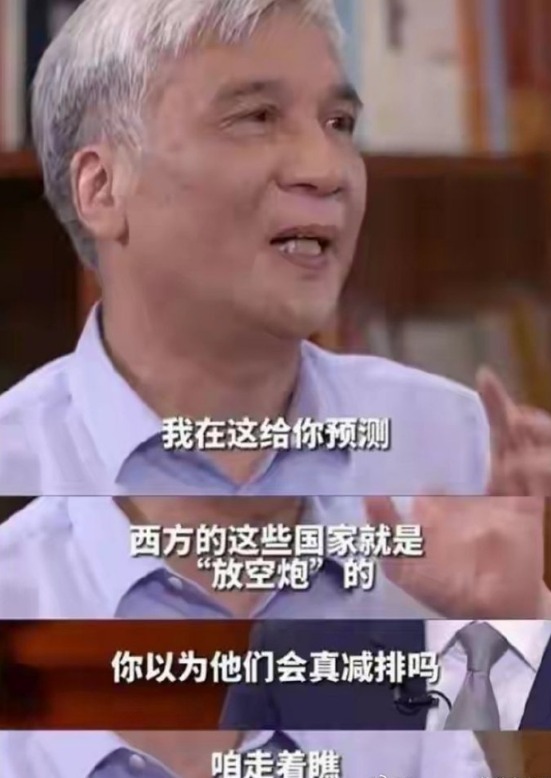
大反转!欧盟,宣布放弃!丁仲礼院士的含金量还在上升......
中国基金报· 2025-12-17 13:34
Core Viewpoint - The European Union is reconsidering its plan to ban the sale of new internal combustion engine vehicles by 2035, marking a significant retreat in its green policy [3][4]. Group 1: EU Policy Changes - The EU Commission plans to relax the current arrangement that essentially bans the sale of new fuel vehicles starting in 2035, responding to pressure from the automotive industry [3]. - The proposal allows for the continued sale of plug-in hybrid electric vehicles (PHEVs) and range-extended models, addressing the concerns of major car manufacturers like Volkswagen and Fiat [3][4]. - The new targets set by the EU include a 90% reduction in carbon emissions by around 2035 compared to 2021 levels, a shift from the previous requirement for all new passenger cars and vans to achieve "zero emissions" [4]. Group 2: Industry Reactions - Analysts suggest that the global automotive industry is entering a "reset moment," rather than progressing linearly towards electrification [5]. - Executives from electric vehicle manufacturers warn that relaxing emission targets could undermine investments in critical areas like charging infrastructure and hinder Europe's transition to cleaner transportation [5]. - The EU's decision follows Ford's announcement of a $19.5 billion impairment and restructuring costs, indicating challenges in the electric vehicle market [4]. Group 3: Competitive Landscape - The slowdown in electric vehicle transitions in the US and Europe may provide Chinese automakers an opportunity to solidify their advantages, as they have established a leading position in the electric vehicle market over the past decade [8]. - Traditional automakers like Ford are shifting focus back to fuel and hybrid models, indicating a need to adapt to local market demands [8]. - Despite potential impacts from reduced subsidies and the abandonment of the "ban on fuel vehicles," Chinese automakers are expected to remain competitive, even with EU tariffs in place [8][9].