交通电动化

Search documents
中东冲突进入第2个月对于电新煤炭板块意味着什么
2026-03-30 05:15
Summary of Conference Call Records Industry Overview - The records discuss the impact of the ongoing Middle East conflict on the energy sector, particularly focusing on the coal, lithium battery, and renewable energy industries [1][2][3]. Key Points and Arguments Energy Supply Disruption - The closure of the Strait of Hormuz has led to a supply disruption of approximately 15 million barrels per day of crude oil and 5 million barrels per day of refined oil, significantly exceeding previous oil crises [2][3]. - The conflict is expected to cause energy shortages to become more apparent starting April 2026, with Asian countries facing greater impacts than Europe [2][3]. Electric Vehicle and Battery Demand - High oil prices are accelerating the electrification of transportation, with an estimated additional demand of 180 GWh for power batteries over the next three years [1][3]. - The domestic market for lithium batteries is expected to see a significant increase in demand, with projections indicating a year-on-year growth of over 50% for commercial vehicle electrification [4][5]. Lithium Battery Supply Chain Dynamics - The lithium battery sector is experiencing a period of heightened demand and price increases, with major battery manufacturers planning production increases of 15%-30% in Q2 2026 [4][5]. - Specific materials within the lithium battery supply chain, such as lithium iron phosphate and copper foil, are expected to see price increases due to supply constraints and rising production costs [5][6]. Coal Market Dynamics - The global coal supply-demand balance is improving, with significant increases in production from China, Indonesia, and India, totaling approximately 550 million tons [8][9]. - However, structural price increases are anticipated, particularly for Australian coal, due to high demand from Japan and South Korea, which rely on high-quality coal [9][10]. Renewable Energy Transition - The energy crisis is expected to accelerate the transition to renewable energy, particularly in electric vehicle and energy storage sectors, moving from emergency demand to sustainable growth [4][5]. - The cost of green hydrogen and ammonia is projected to become competitive with traditional fuels when oil prices exceed $108 per barrel [18][19]. Investment Recommendations - The investment outlook for the renewable energy sector is positive, with a focus on materials and battery segments. Companies involved in lithium iron phosphate and hexafluorophosphate lithium are recommended due to their potential for profit growth [6][11]. - In the coal sector, Yancoal Australia is highlighted as a key investment opportunity, with significant profit elasticity linked to coal price increases [11][12]. Geopolitical Impacts on Energy Policy - The ongoing geopolitical tensions are prompting countries to reconsider their energy policies, with Taiwan planning to restart nuclear power plants by 2027-2029 [15][17]. - The conflict is also expected to drive demand for nuclear power and uranium, as countries seek to diversify their energy sources [16][17]. Challenges in Renewable Energy Sectors - The hydrogen sector has faced recent stock price adjustments due to negative interpretations of government subsidy policies, despite the long-term potential for green hydrogen to become economically viable [20][21]. Additional Important Insights - The records indicate that the current energy crisis is reshaping global energy policies and accelerating the adoption of renewable energy technologies, with significant implications for investment strategies across various sectors [1][2][3][4][5][6][8][9][10][11][12][15][16][17][18][19][20][21].



119亿估值换电龙头赴港,奥动新能源能否打动投资者?
Zhi Tong Cai Jing· 2025-12-23 02:12
Core Viewpoint - The Hong Kong IPO market has shown significant recovery in 2023, with over a hundred new stocks listed, reflecting increased market liquidity and investor confidence. In this context, Aodong New Energy, a leading player in the battery swapping sector, has initiated its listing process on the Hong Kong Stock Exchange, aiming to capitalize on its market position as the largest independent third-party battery swapping solution provider in China by 2024 [1][2]. Company Overview - Aodong New Energy has completed multiple rounds of equity financing since 2018, with a post-money valuation reaching 11.9 billion RMB in January 2022 [1]. - The company is currently in a strategic investment phase prior to profitability, with its commercial potential and long-term value still under market scrutiny [1]. Financial Performance - Aodong New Energy's revenue from 2022 to 2024 was reported as 1.106 billion RMB, 1.155 billion RMB, and 926 million RMB, respectively, with corresponding losses of 785 million RMB, 655 million RMB, and 419 million RMB, indicating a trend of narrowing losses but fluctuating revenue [2][3]. - In the first half of 2025, the company reported a revenue of 324 million RMB, a year-on-year decrease of 31.71%, with a loss of 157 million RMB [2]. Revenue Structure - The company is transitioning from a device sales-driven model to a service-driven model, with revenue from battery swapping services increasing from 29.0% in 2022 to 69.8% in the first half of 2025, while equipment sales revenue dropped from 66.1% to 17.1% [4]. - The compound annual growth rate (CAGR) for battery swapping service revenue from 2022 to 2024 was 39.5%, despite a 48.2% decline in equipment sales revenue in 2024 [4]. Research and Development - Aodong New Energy has maintained a consistent investment in R&D, with total R&D expenses reaching 248 million RMB from 2022 to the first half of 2025, accounting for 6.6% to 8.3% of total revenue [4]. - However, R&D spending decreased by 27.4% in the first half of 2025 compared to the previous year, attributed to cost optimization measures [4]. Market Dynamics - The battery swapping industry in China is projected to grow from 1.5 billion RMB in 2020 to 10.3 billion RMB in 2024, with a CAGR of 61.1%, and is expected to reach 70.5 billion RMB by 2030 [7]. - Despite the growth potential, the industry faces challenges due to its "heavy asset, high service" nature, leading to prolonged profitability cycles [9]. Competitive Landscape - Aodong New Energy is currently the leading independent third-party battery swapping solution provider in China, but faces increasing competition from major battery manufacturers like CATL, which is rapidly expanding its battery swapping network [9][10]. - The company is strategically reducing its own battery swapping station network while seeking to enter the commercial vehicle sector, which presents a more rigid demand for battery swapping services [11]. Future Outlook - The transition towards service-oriented operations and the focus on commercial vehicles are expected to improve Aodong's financial performance in the long run, although the company is still experiencing significant operational challenges [11].

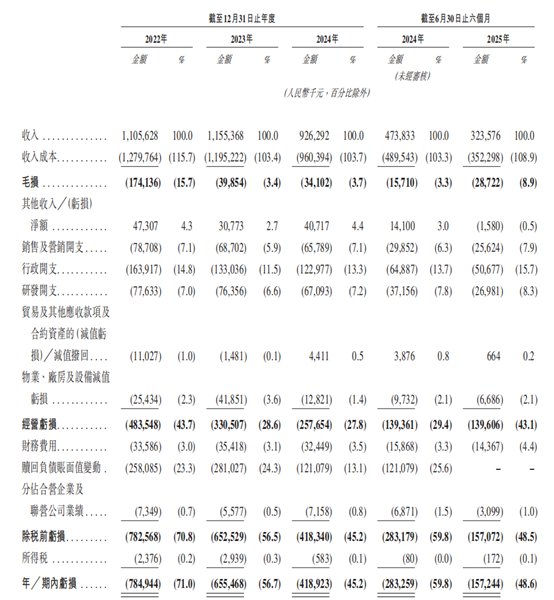
新股前瞻|119亿估值换电龙头赴港,奥动新能源能否打动投资者?
智通财经网· 2025-12-23 02:08
Core Viewpoint - The Hong Kong IPO market has shown significant recovery in 2023, with over 100 new listings and substantial growth in both the number of listings and total financing, reflecting improved market liquidity and investor confidence. In this context, Aodong New Energy, a leading player in the battery swapping sector, has initiated its listing process on the Hong Kong Stock Exchange [1]. Company Overview - Aodong New Energy is recognized as China's largest independent third-party battery swapping solution provider, with a solid market position as of 2024 [1]. - The company has completed multiple rounds of equity financing since 2018, with a post-money valuation of 11.9 billion yuan as of January 2022 [1]. Financial Performance - Aodong New Energy's revenue from 2022 to 2024 was 1.106 billion yuan, 1.155 billion yuan, and 926 million yuan, respectively, with corresponding losses of 785 million yuan, 655 million yuan, and 419 million yuan, indicating a trend of narrowing losses but fluctuating revenue [2][3]. - In the first half of 2025, the company reported a revenue of 324 million yuan, a year-on-year decrease of 31.71%, with a loss of 157 million yuan [2]. Revenue Structure - The company is transitioning from a device sales-driven model to a service-driven model, with the proportion of revenue from battery swapping services increasing from 29.0% in 2022 to 69.8% in the first half of 2025 [4]. - The compound annual growth rate (CAGR) for battery swapping service revenue from 2022 to 2024 reached 39.5%, despite a significant decline in equipment sales revenue by 48.2% in 2024 [4]. Research and Development - Aodong New Energy has maintained a consistent investment in R&D, with cumulative R&D expenses reaching 248 million yuan from 2022 to the first half of 2025, accounting for 6.6% to 8.3% of total revenue [4]. - The company has developed a competitive edge with its proprietary "snap-on" battery swapping technology, achieving industry-leading swapping speeds [5]. Market Dynamics - The battery swapping industry in China is projected to grow from 1.5 billion yuan in 2020 to 10.3 billion yuan in 2024, with a CAGR of 61.1%, and is expected to reach 70.5 billion yuan by 2030 [7]. - Despite the growth potential, the industry faces challenges due to its capital-intensive nature and the long path to profitability [9]. Competitive Landscape - Aodong New Energy is currently the leading independent third-party battery swapping service provider, but faces increasing competition from major battery manufacturers like CATL, which is rapidly expanding its battery swapping network [9][10]. - The company is strategically shifting its focus towards commercial vehicles, which have a more pressing need for battery swapping due to longer operational hours and higher willingness to pay [10]. Future Outlook - While the battery swapping industry has promising prospects, Aodong New Energy continues to experience operational challenges, including declining revenue and negative cash flow, indicating it has not yet overcome its performance "growing pains" [11]. - The company's shift towards operational services and the commercial vehicle sector may lead to substantial improvements in performance, with ongoing market attention on its profitability turning point [11].
大反转!欧盟,宣布放弃!丁仲礼院士的含金量还在上升......
Zhong Guo Ji Jin Bao· 2025-12-17 13:42
Core Viewpoint - The European Union is planning to abandon its 2035 ban on the sale of new internal combustion engine vehicles, marking a significant retreat in its green policy efforts [3]. Group 1: EU Policy Changes - The EU Commission has proposed to relax the current arrangement that essentially bans the sale of new fuel vehicles starting in 2035, responding to pressure from the automotive industry [3]. - The proposal still requires approval from EU member states and the European Parliament, and if implemented, it will allow certain non-pure electric models to continue being sold [3]. - The new targets set by the EU include a 90% reduction in carbon dioxide emissions by around 2035 compared to 2021 levels, a shift from the previous requirement for all new passenger cars and vans to achieve "zero emissions" by 2035 [4]. Group 2: Industry Reactions - Major automotive companies, including Volkswagen, have welcomed the proposal, stating that it is a pragmatic approach to market realities while allowing for the continued existence of plug-in hybrid electric vehicles (PHEVs) and range-extended models [3]. - Analysts suggest that the global automotive industry is entering a "reset moment," rather than progressing linearly towards electrification [5]. - The CEO of Swedish electric vehicle manufacturer Polestar warned that relaxing emission targets could harm both climate efforts and Europe's competitiveness [5]. Group 3: Competitive Landscape - The relaxation of emission targets may weaken investments in critical areas such as charging infrastructure, potentially causing Europe to fall further behind China in the transition to cleaner transportation [5]. - Chinese electric vehicle manufacturers have established a leading position over the past decade, with companies like BYD and Xiaomi making rapid advancements in technology [7]. - Despite the EU's potential policy changes, analysts believe that Chinese companies will not face direct impacts and may continue to expand into markets in South America, the Middle East, and Southeast Asia [8].
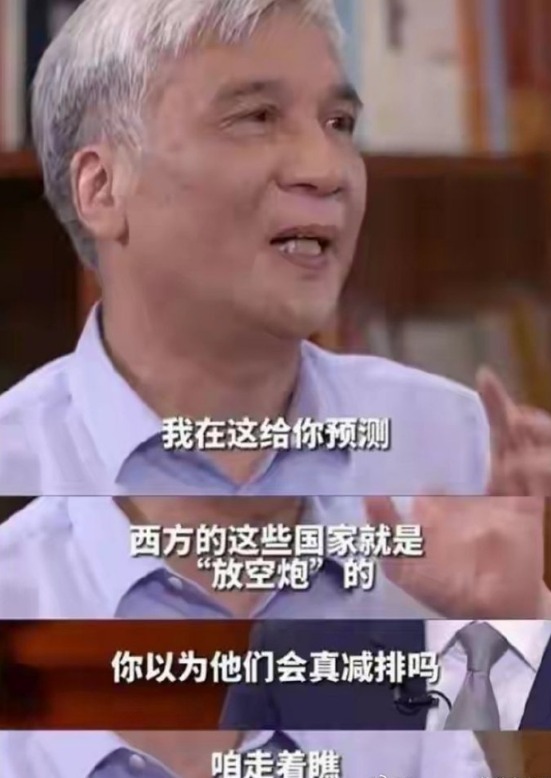
大反转!欧盟,宣布放弃!丁仲礼院士的含金量还在上升......
中国基金报· 2025-12-17 13:34
Core Viewpoint - The European Union is reconsidering its plan to ban the sale of new internal combustion engine vehicles by 2035, marking a significant retreat in its green policy [3][4]. Group 1: EU Policy Changes - The EU Commission plans to relax the current arrangement that essentially bans the sale of new fuel vehicles starting in 2035, responding to pressure from the automotive industry [3]. - The proposal allows for the continued sale of plug-in hybrid electric vehicles (PHEVs) and range-extended models, addressing the concerns of major car manufacturers like Volkswagen and Fiat [3][4]. - The new targets set by the EU include a 90% reduction in carbon emissions by around 2035 compared to 2021 levels, a shift from the previous requirement for all new passenger cars and vans to achieve "zero emissions" [4]. Group 2: Industry Reactions - Analysts suggest that the global automotive industry is entering a "reset moment," rather than progressing linearly towards electrification [5]. - Executives from electric vehicle manufacturers warn that relaxing emission targets could undermine investments in critical areas like charging infrastructure and hinder Europe's transition to cleaner transportation [5]. - The EU's decision follows Ford's announcement of a $19.5 billion impairment and restructuring costs, indicating challenges in the electric vehicle market [4]. Group 3: Competitive Landscape - The slowdown in electric vehicle transitions in the US and Europe may provide Chinese automakers an opportunity to solidify their advantages, as they have established a leading position in the electric vehicle market over the past decade [8]. - Traditional automakers like Ford are shifting focus back to fuel and hybrid models, indicating a need to adapt to local market demands [8]. - Despite potential impacts from reduced subsidies and the abandonment of the "ban on fuel vehicles," Chinese automakers are expected to remain competitive, even with EU tariffs in place [8][9].

旭阳集团与宁德时代签署战略合作协议
Di Yi Cai Jing· 2025-11-25 05:40
Core Viewpoint - Xuyang Group has signed a strategic cooperation agreement with CATL to enhance collaboration in various fields including renewable energy investment, new energy storage applications, electric transportation transformation, charging infrastructure network layout, and zero-carbon park construction [1] Group 1 - The strategic cooperation aims to deepen investment and development in renewable energy [1] - Collaboration will focus on new energy storage applications [1] - The partnership will also address the transformation and upgrading of electric transportation [1] Group 2 - The agreement includes plans for the layout of charging and swapping infrastructure [1] - Both companies will work together on the construction of zero-carbon parks [1]
3天12大专场,2025高工锂电年会暨15周年庆典议程发布
高工锂电· 2025-10-23 08:38
Core Viewpoint - The article highlights the evolution of China's power battery industry over the past fifteen years, emphasizing its growth from inception to becoming a global leader, and anticipates new challenges and opportunities in the next fifteen years, particularly in the context of electrification and energy system transformation [2][3]. Industry Overview - The Chinese power battery industry has transitioned from a nascent stage to a robust sector, becoming a representative of China's manufacturing capabilities on the global stage [2][3]. - The upcoming fifteen years are expected to bring new applications, technological innovations, and business model developments, indicating a shift in the industry landscape [2][3]. Globalization Challenges - The article discusses the importance of globalization for the Chinese lithium battery industry, focusing on the need for companies to integrate into the global market and develop international operations [3]. Event Details - The 2025 High-Performance Lithium Battery Annual Conference will take place from November 18-20, 2025, at the JW Marriott Hotel in Shenzhen, marking the fifteenth anniversary of the event [2][4]. - The conference will feature over 1,000 companies from the lithium battery supply chain and will include various forums and award ceremonies [4][6]. Agenda Highlights - The conference will cover a range of topics, including advancements in solid-state batteries, AI-driven transformations in the battery industry, and innovations in battery materials and manufacturing processes [6][7][8]. - Specific sessions will address the challenges and strategies for achieving full electrification, the development of new battery technologies, and the implications of global supply chain dynamics [6][7][8]. Awards and Recognition - The event will also host the High-Performance Golden Ball Awards, recognizing outstanding contributions and innovations within the lithium battery industry [4][9].

四大领域的可持续发展趋势
Sou Hu Cai Jing· 2025-09-23 03:04
Group 1: Core Trends in Sustainable Development - The narrative around sustainability faces challenges due to political shifts, but technology and capital continue to advance, indicating a strong trend towards sustainability despite opposition [1][3] - The upcoming New York Climate Week (NYCW) plans over 1,000 events, marking a historic high and demonstrating the resilience of the sustainability movement [1] Group 2: Clean Energy Transition - Clean energy is evolving from merely providing cheap electricity to offering reliable supply during peak hours, with solar energy leading the way (+28%) and battery storage enhancing availability [3][5] - The combination of photovoltaic and battery technologies is crucial for transitioning clean energy from daytime to nighttime use, increasing the share of clean electricity [4][5] Group 3: Electrification of Transportation - The electrification of transportation is shifting from isolated demonstrations to widespread adoption, significantly reducing oil demand and urban emissions [4][5] - The industrial chain is being restructured around electric vehicles, with a focus on battery technology and digital solutions [5] Group 4: Land and Food Security - The approach to land and food is shifting towards maximizing yield on existing agricultural land while protecting natural ecosystems, rather than expanding farmland [6][7] - There is a concerning trend of decreasing global agricultural research funding, which has prompted warnings from over 150 Nobel laureates and World Food Prize winners [6] Group 5: Capital and Risk Reallocation - Investment strategies are evolving to prioritize not just growth but also certainty, with a focus on scalable cost reductions in energy generation and resilience in urban planning [8][9] - Emerging markets with stable policies and accelerated approvals are becoming attractive for clean investment opportunities, as they offer favorable conditions for growth [10][11] Group 6: Future Projections and Recommendations - By 2025, it is projected that one-quarter of new vehicles globally will be electric, with significant growth in electric vehicle adoption in China and emerging markets [7][10] - Companies are advised to integrate climate-related risks into their procurement and pricing models, while local governments should manage water and land use in conjunction with agricultural practices [13][14]
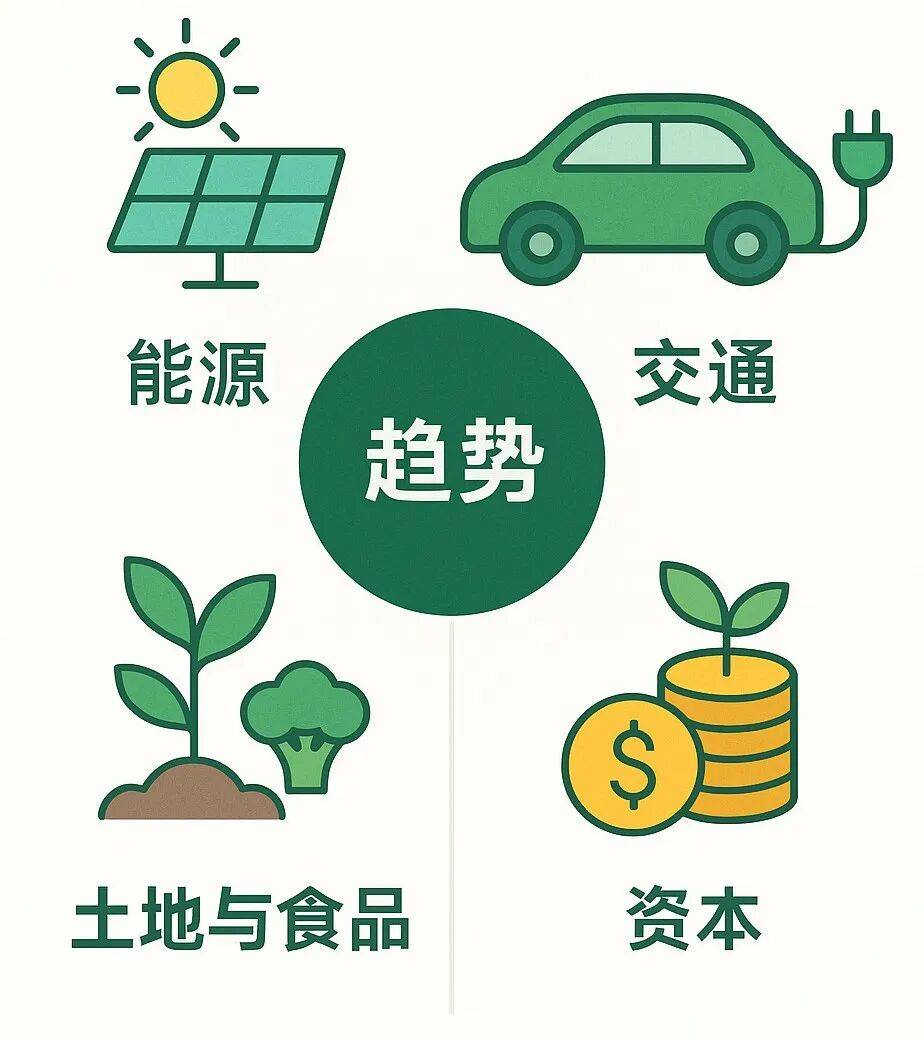
高工锂电15周年策划|天赐材料徐金富:锂电下一个15年 别再互相“残杀”
高工锂电· 2025-07-05 08:48
Core Viewpoint - The article highlights the significant evolution of China's power battery industry over the past 15 years, marking its transition from a nascent stage to a global leader, and anticipates new challenges and opportunities in the next 15 years, particularly in globalization and technological innovation [2][4]. Summary by Sections Industry Development - The Chinese power battery industry has grown from 0 to 1, evolving from a weak presence to a strong global competitor, becoming a representative of China's manufacturing prowess and a symbol of economic transformation [2][4]. - The industry is expected to enter a new phase starting in 2025, characterized by challenges such as the electrification of transportation and deeper energy system reforms, leading to new application scenarios, technological innovations, and business model developments [2][4]. 15th Anniversary Activities - To commemorate its 15th anniversary in 2025, the company plans a series of activities under the theme "Stirring 15 Years, Looking Ahead to a New Journey," which includes dialogues with over 100 industry representatives to reflect on past developments and future opportunities [4][5]. Video and Communication Initiatives - The company will conduct video interviews with 20 industry leaders and young innovators in the new energy sector, focusing on the globalization of Chinese enterprises and the evolution of the lithium battery industry [7][8]. - Topics for discussion will include a review of the industry's successes and failures over the past 15 years, as well as expectations and plans for the next 15 years [10][11]. Industry Milestones - The article outlines the development trajectory of the Chinese lithium battery industry from its initial phase (2010-2015), through its explosive growth (2016-2020), to its current position as a global leader (2021-2025), highlighting key technological and commercial breakthroughs [12][13]. - It emphasizes the changes in the core industry chain, including batteries, equipment, and materials, and features top companies in various segments [12][13]. Future Outlook - The focus for the next 15 years will be on technological advancements such as solid-state batteries and sodium-ion batteries, as well as the expansion into all-scenario applications like energy storage and eVTOL [13]. - The company will host an industry celebration during its annual conference in 2025, inviting over 1,000 industry stakeholders to reflect on past achievements and discuss future challenges and opportunities [15].

高工锂电15周年策划|星源材质陈秀峰:攻克隔膜核心技术 从进口替代到全球引领
高工锂电· 2025-07-04 02:50
Core Viewpoint - The article highlights the significant evolution of China's power battery industry over the past 15 years, marking its transition from inception to a global leader, and anticipates new challenges and opportunities in the next 15 years, particularly in globalization and technological innovation [2][4]. Summary by Sections 15-Year Journey of the Industry - The power battery industry in China has grown from a nascent stage in 2010 to a robust sector, becoming a representative of China's manufacturing prowess and a symbol of economic transformation [2]. - The industry is expected to face new challenges and opportunities as it enters a new phase starting in 2025, with a focus on electric transportation, energy system transformation, and the emergence of new applications and business models [2][4]. High工锂电's Role - High工锂电 has been a witness and chronicler of the power battery industry's growth over the past 15 years, providing insights through research reports, publications, and industry events [4]. - In 2025, High工锂电 will celebrate its 15th anniversary with a series of activities themed "激荡15年 瞭望新征程," reflecting on past achievements and looking forward to future challenges and opportunities [4][5]. Planned Activities - The activities will include research visits, video interviews, in-depth reports, and an industry celebration from March to December 2025 [5]. - Key topics for discussion will include the successes and failures of the past 15 years, new technologies, application scenarios, and business models for the future [10][11]. Industry Development Overview - The article outlines the evolution of the Chinese lithium battery industry through three phases: the nascent period (2010-2015), the explosive growth period (2016-2020), and the globalization leadership period (2021-2025), highlighting key technological and commercial breakthroughs [12]. - It emphasizes the changes in the core industry chain of batteries, equipment, and materials, along with a retrospective on key enterprises and the top 10 companies in various segments [12][13]. Future Outlook - The focus for the next 15 years will be on technological advancements such as solid-state batteries and sodium-ion batteries, as well as full-scene applications including energy storage and eVTOL [13]. - The globalization strategy will involve establishing overseas factories and technology exports, marking a significant shift in the industry's operational landscape [13]. Anniversary Celebration - The 15th anniversary celebration will take place during the 2025 High工锂电 annual meeting, inviting over 1,000 industry representatives to reflect on the past and discuss future opportunities and challenges [15]. - The event will feature discussions on new batteries, technologies, application opportunities, and innovations in business models, along with a special focus on emerging enterprises [16].