
砷化镓产品

Search documents
三安光电:公司客户信息不方便公开
Zheng Quan Ri Bao Wang· 2026-01-08 14:09
Core Viewpoint - Sanan Optoelectronics (600703) is a leading domestic producer of gallium arsenide products, with significant production capacity in Tianjin and Quanzhou [1] Group 1: Company Production and Capacity - The company primarily produces gallium arsenide products, with its production capacity ranking first in China [1] - The gallium arsenide multi-junction solar cells produced by the company have been applied in commercial satellite power supply and have been supplied to multiple domestic and international clients [1] Group 2: Client Information - The company has indicated that client information is not convenient to disclose [1]

比地面贵百倍,光伏企业瞄上太空
经济观察报· 2025-12-31 09:53
Core Viewpoint - The article discusses the emerging market of space photovoltaics, highlighting significant investments and developments by major companies in the sector, particularly focusing on the potential of solar energy in space applications [1][2][3]. Group 1: Market Developments - Elon Musk plans to deploy 100GW of solar AI satellites annually in space, with global photovoltaic installations expected to reach approximately 600GW by 2025 [1][2]. - Major players in the photovoltaic industry, such as JinkoSolar and Trina Solar, are exploring opportunities in space photovoltaics, indicating a growing interest in this market [2]. Group 2: Technical Advantages - Space photovoltaics utilize solar panels on satellites, benefiting from abundant sunlight in space, with average power generation being 7 to 10 times higher than on Earth [4]. - Satellites can achieve significant power outputs, with some reaching up to 100kW, necessitating advanced photovoltaic technologies [4]. Group 3: Current Technologies - Gallium arsenide (GaAs) is currently the primary material used in space photovoltaics, offering a conversion efficiency exceeding 30% due to its superior light absorption capabilities [5]. - The cost of space photovoltaic panels is significantly higher, potentially reaching 1000 RMB/W, compared to less than 1 RMB/W for ground-based solar power [5]. Group 4: Future Innovations - Perovskite solar cells are emerging as a next-generation technology, with theoretical efficiencies up to 45%, and their lightweight nature could reduce satellite launch costs significantly [7]. - Trina Solar has secured exclusive licensing agreements for perovskite technology, indicating a strategic move towards this innovative material [7]. Group 5: Challenges and Testing - The stability of perovskite materials remains a challenge, particularly in the harsh conditions of space, but initial tests have shown promising results with minimal efficiency loss [8]. - Future tests are planned to further validate the performance of perovskite components in extreme space environments [8].



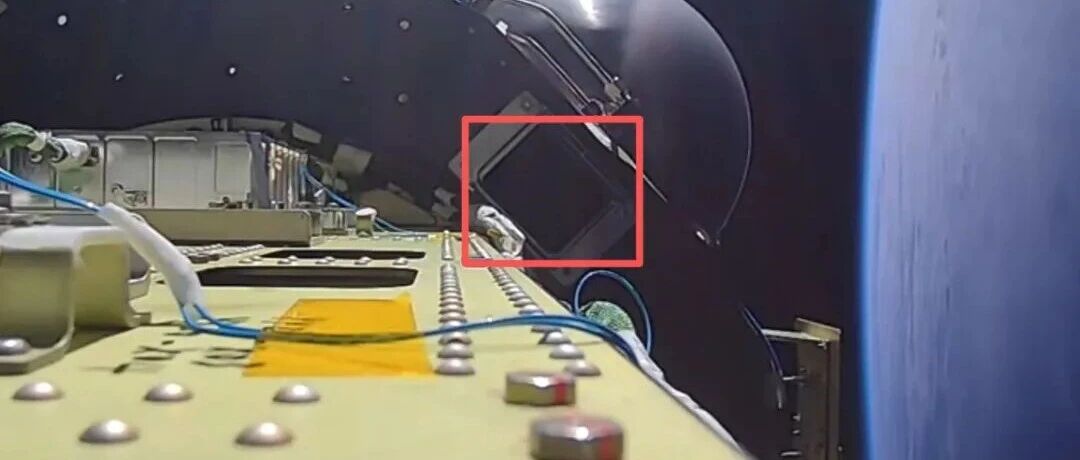
比地面贵百倍,光伏企业瞄上太空
Jing Ji Guan Cha Wang· 2025-12-31 08:51
Core Insights - Two major players in the photovoltaic industry, JinkoSolar and Trina Solar, are focusing on the space photovoltaic market as a key development direction for 2026 [3][4]. Group 1: Market Opportunity - The space photovoltaic market is opening up, with over 3,000 satellites expected to be launched globally in 2025, primarily by SpaceX [4]. - Space photovoltaic technology involves equipping satellites with solar panels to provide power, with the average power generation in space being 7 to 10 times higher than on Earth [6][8]. Group 2: Technological Advancements - Gallium arsenide (GaAs) is currently the primary material used in space photovoltaics, offering a conversion efficiency exceeding 30% due to its ability to absorb a wider spectrum of sunlight compared to traditional silicon cells [7]. - Perovskite is emerging as the next-generation space photovoltaic technology, with a theoretical maximum efficiency of 45% and significant weight advantages, potentially reducing satellite launch costs by millions of dollars [9][10]. Group 3: Industry Developments - Trina Solar has secured an exclusive licensing agreement with Oxford PV for the development and commercialization of perovskite solar cells in China [10]. - Companies are exploring innovative materials to enhance the stability and performance of perovskite solar cells in the harsh conditions of space [11][12].
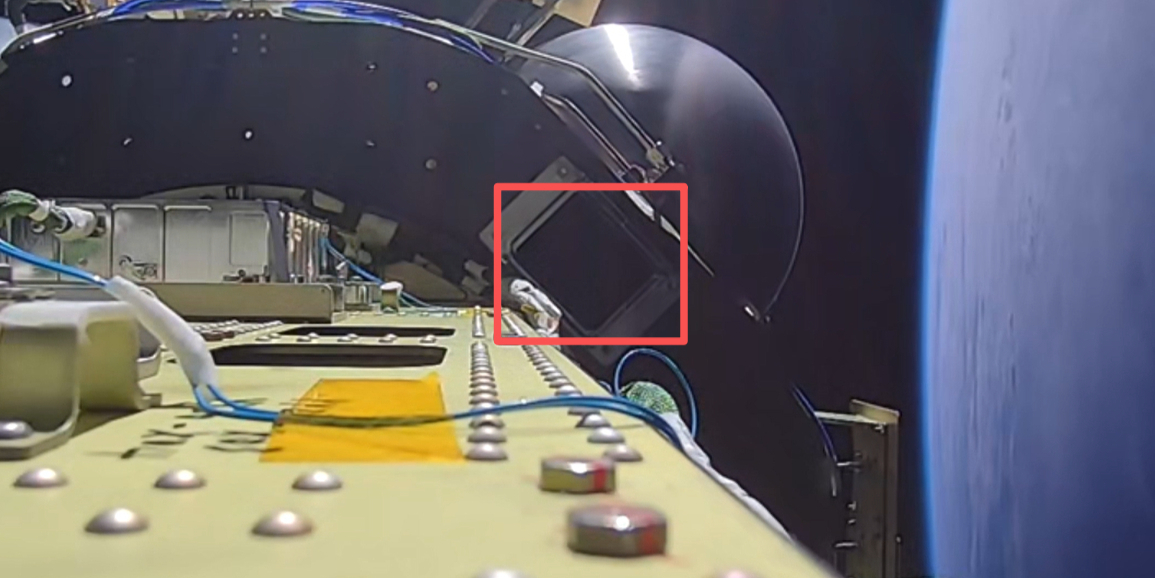
云南锗业(002428) - 2025年11月19日投资者关系活动记录表
2025-11-19 09:12
Market Demand and Product Applications - The demand for indium phosphide (InP) chips has significantly increased due to the rising prosperity of the downstream optical communication market [2][3] - InP chips are primarily used in laser and detector chips within optical modules, with applications in 5G communication, data centers, and wearable devices [3] - Gallium arsenide (GaAs) chips are utilized in RF devices, laser devices, and high-brightness LEDs, serving sectors such as mobile phones, computers, communication bases, and autonomous driving [3] Production Capacity and Growth - The company currently has a production capacity of 300,000 pieces/year for 4-inch solar-grade germanium wafers and 200,000 pieces/year for 6-inch wafers [4] - A project to increase production capacity to 1.25 million pieces/year by the end of 2025 is underway, with a long-term goal of reaching 2.5 million pieces/year [4] - The solar-grade germanium product segment has seen substantial growth due to the increasing demand for space solar cells linked to the rise in satellite launches [4][5] Recent Performance and Future Plans - The photovoltaic-grade germanium product segment has experienced significant growth, driven by the demand for commercial low-orbit communication satellites [5] - The compound semiconductor materials segment has also seen increased demand due to the improved market conditions in optical communication [5] - The company has no current plans to expand indium phosphide production capacity, but will disclose any future plans as required [8] Export Control and Resource Management - All main products of the company are subject to export controls, and the company has complied with regulations to obtain necessary export licenses [10] - The company is actively seeking to increase its resource reserves through acquisitions and exploration [11] Strategic Development Focus - The company aims to enhance its competitiveness by focusing on deep processing of products and expanding the market for compound semiconductor materials [12]
