钙钛矿

Search documents
每周主题、产业趋势交易复盘和展望:地缘动荡,重视能源安全-20260314
Soochow Securities· 2026-03-14 08:04
1. Report Industry Investment Rating - No information provided in the report 2. Core Viewpoints of the Report - In 2026, industry allocation should focus on two main lines: technology and security, reform and growth. The industry allocation perspective should be more "self - centered", aiming to consolidate national security through technological self - reliance and enhance endogenous growth resilience through comprehensive deep - seated reforms [49]. - In the technology and security aspect, it is optimistic about the domestic computing power and chip manufacturing industry chain, and pays attention to AI power construction, AI glasses new products, humanoid robots and ToB - end AI applications. It also focuses on relevant fields in the 14th Five - Year Plan and resource and energy security [49]. - In the reform and growth aspect, "anti - involution" related varieties will shift from trading policy expectations to pricing the inflection point of prosperity. It is necessary to pay attention to the fundamental bottoming of the electrolyte, positive and negative electrodes, separators, polysilicon and other links in the photovoltaic industry chain, as well as the improvement of prosperity brought about by capacity reduction in the chemical, steel and thermal coal fields. In terms of domestic demand, more attention should be paid to service and non - durable consumer goods [49]. 3. Summary by Relevant Catalogs 3.1 This Week's Market Review 3.1.1 Market Performance - The average daily trading volume of the entire A - share market this week was close to 2.5 trillion, with a contraction of over 140 billion compared to last week [8]. 3.1.2 Market Style Performance - This week, the ChiNext Index led the rise, and the dividend style had an overall outperformance. The ChiNext Index rose 2.51%, and the CSI Dividend Index rose 1.60%. Other indices such as the Shanghai Composite Index fell 0.70%, and the SSE 50 Index fell 1.20% [12]. - In terms of market capitalization style, the relative advantage of small - cap stocks declined to 0 on a 30 - trading - day rolling basis. In terms of growth/value style, the relative advantage of growth stocks over value stocks fluctuated in the negative range on a 30 - trading - day rolling basis [15][18]. - This week, the performance of QFII and Northbound Stock Connect positions was weaker than the broader market [21]. 3.1.3 Market Sentiment - This week, the margin trading balance increased to around 2.66 trillion. The number of rising and falling stocks and the number of limit - up and limit - down stocks showed certain fluctuations [26]. 3.1.4 This Week's Sector Performance - Relevant charts show the rise and fall of SW primary and secondary industry sectors, but specific data is not described in text [32][34]. 3.2 Industry Trend Trading Review and Outlook 3.2.1 This Week's Strong Directions - There is a chart showing the rise and fall of this week's strong themes, but specific data is not described in text [41]. 3.2.2 Next Week's Industry Event Outlook - From March 16 - 19, the NVIDIA GTC Conference will be held; from March 17 - 19, the 2026 Optical Fiber Communication Conference and Exhibition will be held; on March 18, the 2026 Amazon Cloud Technology Going - Global Conference will be held; from March 19 - 20, the Huawei China Partners Conference will be held; from March 17 - 18, the 2026 Second Commercial Aerospace Industry Development Conference and 2026 Commercial Aerospace Exhibition will be held; on March 19, VOYAH will be listed on the Hong Kong Stock Exchange by way of introduction; on March 16, the press conference on China's national economic operation will be held to announce important economic data for January - February; on March 19, the Federal Reserve's interest rate decision will be announced [48]. 3.2.3 2026 Industry Opportunity Outlook - Industry allocation focuses on two main lines: technology and security, reform and growth. In the technology and security aspect, it is optimistic about the domestic computing power and chip manufacturing industry chain, relevant fields in the 14th Five - Year Plan, and resource and energy security. In the reform and growth aspect, it pays attention to "anti - involution" related varieties and domestic demand in service and non - durable consumer goods [49].
新能聚甬·链通未来丨2026新能源技术创新与产业发展大会相约宁波
DT新材料· 2026-03-13 16:05
Group 1 - The article emphasizes that the new energy sector is a strategic high ground globally, with Ningbo emerging as a significant hub for industries such as photovoltaics, energy storage, wind power, electrical equipment, new energy vehicles, and lithium batteries, achieving an industrial scale exceeding 200 billion yuan [2] - The "14th Five-Year Plan" outlines China's goal to build a strong energy nation, focusing on diversifying the energy system, expanding green energy supply, and fostering internationally influential enterprises, which are core tasks for industry development [2] - The 2026 New Energy Technology Innovation and Industry Development Conference will be held in Ningbo, focusing on key areas like photovoltaics, perovskite technology, new energy storage, and advanced batteries, aiming to create a platform for deep integration of technological and industrial innovation [2] Group 2 - The conference will take place from April 17 to 19, 2026, at the Ningbo Shangri-La Hotel, featuring a theme of "New Energy Gathering, Chain Connecting Future" [3] - The event is organized by various institutions, including the Ningbo Economic and Information Technology Bureau and Ningbo Engineering College, with prominent figures such as Xia Yonggao serving as the conference chair [3] Group 3 - The conference will include discussions on topics such as high-efficiency mass production and cost reduction in crystalline silicon photovoltaics, breakthroughs in perovskite technology, and the integration of photovoltaic systems with energy storage and hydrogen energy [5] - Advanced battery technologies, including lithium-ion and sodium-ion batteries, will be explored, along with system integration for new energy storage and its economic viability [6] - The event aims to gather industry leaders and experts to discuss policy directions, market trends, and emerging application scenarios, enhancing collaboration and investment in Ningbo's new energy sector [6]

钧达股份20260309
2026-03-10 10:17
Summary of the Conference Call for JunDa Co., Ltd. Company Overview - JunDa Co., Ltd. is transitioning from a focus on space photovoltaic technology to becoming the "first private commercial satellite stock" in China. The valuation logic is shifting from a single focus on perovskite solar cells to a tripartite model that includes complete satellite manufacturing, core membrane materials, and overseas photovoltaic repair services [2][3]. Key Industry Insights - The ground photovoltaic business is expected to hit a low point in 2025, with a recovery anticipated in 2026 due to a rebound in TOPCon prices and a decrease in silicon material costs. The company aims for a net profit of 0.1-0.2 RMB per watt from its 2GW battery capacity in Turkey, expected to be operational in H1 2026 [2][3]. Core Product Developments - The core product, SCPI membrane, has been sent for samples to SpaceX, showcasing a technological edge over existing PI membranes and UTG solutions. A self-developed satellite is scheduled for in-orbit verification in April 2026, which could lead to integration into the Starlink supply chain if data meets standards [2][3]. Strategic Acquisitions - The acquisition of XunTianTianHe, which holds a 60% stake, has enabled JunDa to establish satellite manufacturing capabilities. The core team is composed of experts from the Aerospace Science and Technology Corporation. The company plans to launch 10-15 self-developed satellites in 2026, establishing a first-mover advantage in commercial aerospace [2][6]. Market Valuation and Projections - The mid-term market valuation is projected to reach 40-50 billion RMB in profit if domestic satellite launches reach 5,000 by 2028, with JunDa capturing a 20% market share. The long-term target market capitalization is estimated at 800-1,000 billion RMB [2][9]. Key Catalysts for Growth - Significant catalysts include the launch of the first satellite equipped with perovskite and SCPI membranes in April 2026, progress in sample validation with SpaceX, and the mass production of SCPI membranes in Shangrao along with overseas order signings [2][10]. Financial Performance Expectations - The ground photovoltaic business is expected to see a low point in 2025, with a projected output of approximately 30GW for the year. The company anticipates a loss of 0.01-0.02 RMB per watt in 2026, but expects to achieve breakeven or slight profitability due to price adjustments in the market [3][4]. Overseas Production Capacity - JunDa is expanding its overseas battery production capacity in Oman and Turkey, with the Turkish facility expected to begin operations in early 2026. The initial 2GW capacity is aimed at the U.S. market, with a target profit of 0.1-0.2 RMB per watt [5][6]. Technological Advancements - The SCPI membrane, developed in collaboration with Shanghai Optical Institute, has undergone extensive testing and is positioned to address issues faced by current PI membranes. The company aims to establish a leading position in the space membrane market [5][6]. Future Launch Plans - JunDa plans to launch 10-15 self-developed satellites in 2026, with the first launch scheduled for April 2026. This will facilitate in-orbit verification of the SCPI membrane and perovskite products, which could lead to further integration into the SpaceX supply chain [7][10]. Conclusion - JunDa Co., Ltd. is strategically positioning itself in the commercial aerospace sector while maintaining its core photovoltaic business. The company's focus on technological innovation, strategic acquisitions, and overseas expansion is expected to drive significant growth and market valuation in the coming years [2][9].
每周主题、产业趋势交易复盘和展望:AI交易切换:重视国产算力和电力建设-20260301
Soochow Securities· 2026-03-01 11:07
Investment Rating - The report suggests an "Overweight" rating for the industry, indicating a positive outlook for the next six months [48]. Core Insights - The report emphasizes the importance of domestic computing power and electricity infrastructure in the context of AI trading [1]. - It highlights two main lines for industry allocation in 2026: technology and security, and reform and growth, focusing on self-reliance and innovation in technology [42]. - The report identifies key sectors to watch, including AI capabilities, resource security, and energy safety, as well as consumer demand in non-durable goods and services [42]. Market Review - The average daily trading volume for the entire A-share market reached 2.44 trillion, an increase of over 300 billion compared to the previous week [8]. - Small-cap stocks outperformed large-cap stocks, with a balanced performance between value and growth styles [11][13]. Market Style Performance - The report notes that small-cap value stocks had a weekly increase of 4.44%, while the overall A-share index saw a rise of 1.98% [11]. - Growth stocks showed a relative disadvantage compared to value stocks, with performance fluctuating in negative territory [16] [19]. Sector Performance - The report provides insights into the performance of various sectors, indicating strong movements in certain industries while others lagged behind [28][31]. - It highlights the importance of monitoring the basic materials and energy sectors, particularly in relation to new energy developments [42]. Upcoming Industry Events - Key upcoming events include the World Mobile Communications Conference and the Apple Spring Product Launch, which may impact market sentiment and sector performance [41].
新能聚甬·链通未来 | 2026新能源技术创新与产业发展大会相约宁波
DT新材料· 2026-02-28 16:06
Group 1 - The article emphasizes the strategic importance of new energy as a global competitive field, highlighting Ningbo's complete industrial chain in solar energy, energy storage, wind power, electrical equipment, new energy vehicles, and lithium batteries, with an industry scale exceeding 200 billion yuan [2] - The "14th Five-Year Plan" outlines China's goal to build a strong energy nation, focusing on diversifying the new energy system, expanding green energy supply, and nurturing internationally influential enterprises as core tasks for industry development [2] - The 2026 New Energy Technology Innovation and Industry Development Conference will focus on key areas such as photovoltaics and perovskite, new energy storage, and advanced batteries, aiming to create a top platform for promoting the integration of technological and industrial innovation [2] Group 2 - The conference will take place from April 17 to 19, 2026, at the Ningbo Shangri-La Hotel, featuring a theme of "New Energy Gathering in Ningbo, Connecting the Future" [3] - The event is organized by various institutions, including the Ningbo Economic and Information Technology Bureau and Ningbo Engineering College, with prominent figures such as Xia Yonggao serving as the conference chair [3] Group 3 - The first sub-forum will cover topics such as high-efficiency mass production and cost optimization of N-type TOPCon/HJT/IBC technologies, as well as the adaptation of large-scale and distributed photovoltaic systems [4][5] - The second sub-forum will focus on advanced battery technologies, including lithium-ion battery upgrades, sodium-ion battery commercialization, and the integration of energy storage systems with wind and solar power [6] Group 4 - The conference aims to gather experts and industry leaders to share insights, establish a consulting area for experts, and create a platform for collaboration between academia and industry [6] - The event will address hot topics such as policy guidance, cutting-edge technologies, market trends, standard construction, and emerging application scenarios across the entire energy industry chain [6] - The conference will attract leading domestic enterprises, experts, and investment institutions to enhance Ningbo's influence and brand value in the new energy sector, contributing to local economic growth [6]
新能聚甬·链通未来 | 2026新能源技术创新与产业发展大会相约宁波
DT新材料· 2026-02-28 04:07
Group 1 - The core viewpoint of the article emphasizes the strategic importance of new energy as a global competitive field, highlighting Ningbo's complete industrial chain in solar energy, energy storage, wind power, electrical equipment, new energy vehicles, and lithium batteries, with an industry scale exceeding 200 billion yuan [2] - The article outlines China's goal during the 14th Five-Year Plan period to build a strong energy nation, accelerate the establishment of a diversified new energy system, and expand green energy supply, which is crucial for the development of the new energy industry [2] - The 2026 New Energy Technology Innovation and Industry Development Conference will focus on key areas such as photovoltaics and perovskites, new energy storage, and advanced batteries, aiming to create a top platform for promoting the deep integration of technological and industrial innovation [2] Group 2 - The event is scheduled for April 17-19, 2026, with activities including registration on the afternoon of the 17th, a full-day conference on the 18th, and site visits on the morning of the 19th [3] - The conference theme is "New Energy Gathering in Ningbo, Connecting the Future," organized by various local institutions, including the Ningbo Economic and Information Technology Bureau and Ningbo Engineering College [3] - The event is expected to attract over 1,000 participants, including industry leaders, experts, and investment institutions, to enhance Ningbo's influence and brand value in the new energy sector [4] Group 3 - The conference will feature high-level gatherings of academicians and industry leaders sharing insights, establishing an "Expert Consultation Zone," and creating a platform for industry-academia-research collaboration [4] - Key topics of discussion will include policy guidance, cutting-edge technologies, market trends, standardization, and exploration of emerging application scenarios across the entire new energy industry chain [4] - The event aims to attract domestic leading enterprises, experts, and investment institutions to guide the flow of funds, technology, and talent to Ningbo, supporting sustainable local economic growth [4]
被誉下一代光伏路线的技术再获突破,行业关注“技术驱动的新一轮扩产窗口”
Xuan Gu Bao· 2026-02-26 23:29
Industry Insights - The photovoltaic industry is undergoing a critical technological iteration phase, with TOPCon prices declining, compressing profit margins and necessitating the introduction of new technologies [1] - By 2026, the photovoltaic equipment industry is expected to enter a new structural expansion window driven by technological upgrades, supported by favorable policies for high efficiency and low energy consumption routes [1] - The global share of China's photovoltaic main industry chain has increased to approximately 90%, showcasing its core competitiveness in equipment technology and mass production capabilities [2] Company Developments - Jincheng Co. has successfully entered the semiconductor field with its PERTOP + HJT + perovskite + component equipment, alongside successful shipments of horizontal PVD equipment [3] - Jiejia Weichuang is focusing on the development and process optimization of equipment suitable for space environments, leveraging its self-developed PECVD and PVD core equipment [3]
A股突然暴力拉升,道指破5万点,2.27万亿天量成交,三大信号告诉你,周二行情怎么走?
Sou Hu Cai Jing· 2026-02-12 09:40
Core Viewpoint - The A-share market experienced a strong upward trend, with major indices closing near their daily highs, indicating a bullish sentiment driven by financial sectors, particularly brokerage stocks [1][2]. Group 1: Market Performance - The Shanghai Composite Index opened above 4100 points and closed with a strong bullish signal, reflecting a significant buying power [1]. - The total trading volume reached 2.27 trillion yuan, indicating high market activity and a healthy turnover of funds [5]. Group 2: Sector Performance - The financial sector, especially brokerage stocks, played a crucial role in driving market confidence, with major firms like Jinlong Co., Huatai Securities, and CITIC Securities seeing substantial gains [1]. - Technology and renewable energy sectors emerged as key areas of investment, with semiconductor, communication equipment, and photovoltaic sectors attracting over 150 billion yuan in total [2]. Group 3: External and Domestic Factors - Positive external market conditions, including the Dow Jones Industrial Average surpassing 50,000 points, contributed to a more optimistic outlook for A-shares [3]. - Domestic policies promoting financial strength and technological innovation provided a clear investment direction, particularly benefiting sectors like AI and semiconductor industries [3]. Group 4: Technical Analysis - The market's upward movement marked a critical breakthrough, with the Shanghai Composite Index stabilizing above key moving averages, indicating a shift to a bullish trend [4]. - Internal sector differentiation was noted, with strong performances in companies with solid earnings expectations and order support, while speculative stocks lagged [4]. Group 5: Investor Strategy - Investors holding stocks in high-performing sectors like semiconductors and AI should maintain patience, as trends require time to develop [6]. - For investors with light or no positions, potential market corrections may present opportunities for re-entry, emphasizing the importance of focusing on sectors with strong policy support and solid fundamentals [8].
“宇宙订单”,能拯救这个行业吗?
财富FORTUNE· 2026-02-11 13:05
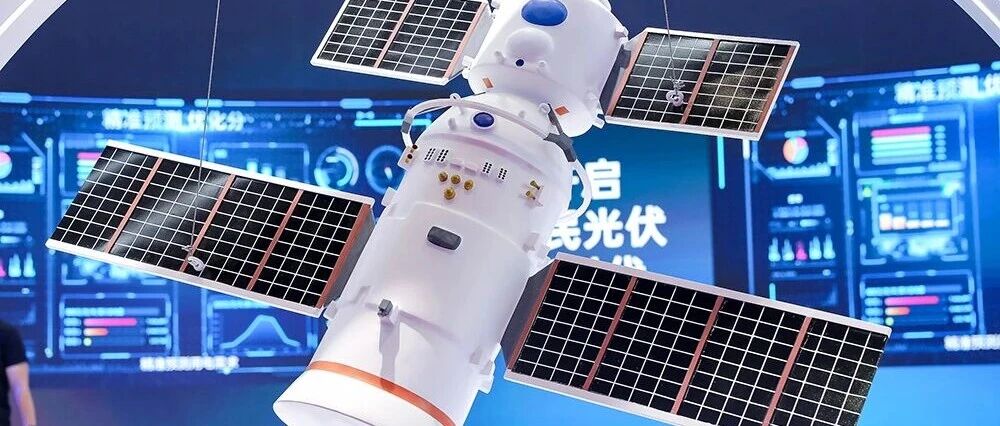
Core Viewpoint - The article discusses the emergence of a new term "Mars Chain" in the context of China's manufacturing industry, highlighting the potential shift in the solar photovoltaic (PV) sector due to Elon Musk's interest in deploying solar energy in space for AI applications [1][4]. Group 1: Industry Dynamics - The visit of Musk's team to Chinese solar companies has revitalized an industry struggling with price wars, positioning it at the intersection of "space + AI" [1][3]. - Musk predicts that within 36 months, space will become the cheapest location for deploying AI, leveraging unlimited solar energy, which could significantly enhance the appeal of the solar manufacturing sector [3][5]. - Following the news of Musk's visit, stock prices of leading solar companies like Jinko, Trina Solar, and Longi surged, reversing a prolonged period of underperformance [3][5]. Group 2: Technological Advancements - The transition from the "Fruit Chain" era, where Chinese companies primarily acted as manufacturers for Apple, to the "Mars Chain" era signifies a shift where Chinese firms are becoming core technology and material suppliers in the space solar industry [4][5]. - Key technological demands for space solar PV include higher energy conversion efficiency, lightweight and durable materials, and rapid scalability of production [5][6]. - Musk's team is particularly interested in two technological pathways: Heterojunction (HJT) and Perovskite technologies, which promise significant improvements in efficiency and adaptability to extreme conditions [6][7]. Group 3: Market Positioning - Chinese solar companies dominate the global supply chain, controlling over 90% of solar cell supply and 95% of polysilicon production, far surpassing U.S. capabilities [7][8]. - The cost of solar cells is expected to drop to historical lows of $0.20-$0.30 per watt by 2024-2025, making Chinese solar products significantly cheaper than those produced in the U.S. and Europe [8][9]. - Despite the excitement around space solar, the current market dynamics indicate that it may not be sufficient to resolve the overcapacity issues faced by the Chinese solar industry [9][10]. Group 4: Long-term Implications - The "Mars Chain" phenomenon offers a new valuation anchor for solar companies, potentially allowing them to be viewed as technology firms rather than traditional manufacturers [11]. - It encourages companies to climb the value chain by focusing on advanced technologies like HJT and Perovskite, which could differentiate them in a competitive market [11][12]. - The shift towards space solar could help re-educate the industry mindset, moving away from price competition towards a focus on performance and technological advancement [12].

全线大涨,百股涨停!资金抢筹光伏、AI、核聚变
Sou Hu Cai Jing· 2026-02-09 11:15
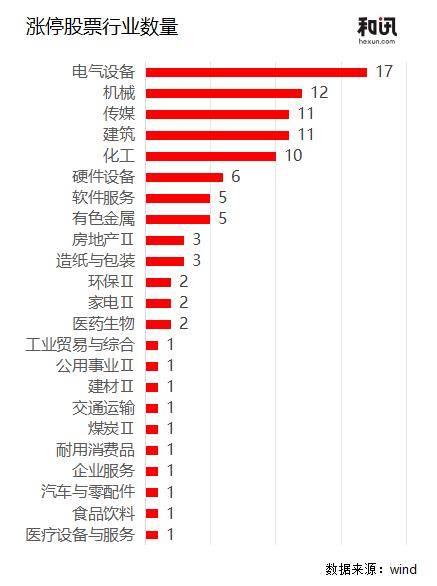
Market Overview - The A-share market experienced a strong rally on February 9, with major indices rising across the board and over 4600 stocks increasing in value, indicating active trading sentiment [1][12] - A total of 99 stocks hit the daily limit up, with high-end manufacturing sectors emerging as the primary focus for capital [1] Sector Performance - The high-end manufacturing sector, particularly the electrical equipment industry, showed significant activity, with 17 stocks reaching the limit up, outperforming other sectors [1] - The market displayed a preference for "arbitrage" rather than "creating new trends," with institutions and retail investors not forming a cohesive strategy [2] Key Investment Themes - The core investment themes identified include photovoltaic technology, AI applications, and nuclear fusion, with a notable focus on technology leaders rather than mere capacity expansion [1] - The CPO (Co-Packaged Optics) concept surged by 7.20%, driven by multiple factors including policy support, technological breakthroughs, and increased overseas demand [10][11] Capital Flow Analysis - Significant capital inflow was observed in the communication sector, which rose by 5.17% with nearly 20 billion yuan entering the market, reflecting strong investor interest [5][6] - The top five stocks receiving major capital inflows were primarily in the communication and AI sectors, with NewEase and Tianfu Communication leading the way [7][9] Stock Performance - The stock performance analysis indicated that 79 stocks reached the first limit up, while only 10 advanced to the second limit up, showing a cautious approach from investors [4] - The CPO concept stocks, which have a high weight in the ChiNext 50 index, contributed to a 2.95% increase in the ChiNext 50 ETF, enhancing the attractiveness of the sector [12]