碳纤维布

Search documents
碳纤维“新人”和顺科技,终止收购
DT新材料· 2026-03-31 16:05
Core Viewpoint - Heshun Technology has decided to terminate the framework agreement for the cash acquisition of 51% equity in Yixing Xinli Weaving Co., Ltd. due to a lack of consensus on key cooperation terms [2] Group 1: Company Developments - Heshun Technology announced the termination of the acquisition of Yixing Xinli, which was initially planned on January 14, 2026 [2] - Yixing Xinli, established in March 2009, is recognized for its expertise in high-performance fiber weaving and has become a "hidden champion" in the field [2] - The products of Yixing Xinli are widely used in aerospace, military equipment, seismic repair, structural reinforcement, sports equipment, industrial production, thermal protection, and the electronics industry [2] Group 2: Product and Market Focus - Heshun Technology's core products include colored optoelectronic base films, other functional films, and transparent films, with a focus on expanding its new materials business [2] - The company is actively developing high-performance carbon fiber projects to establish a dual-driven growth model of "steady growth in film materials and innovative breakthroughs in carbon materials" [2][3]

全球碳纤维布十大品牌排行,悍马夺冠双第一!
Sou Hu Cai Jing· 2025-11-28 10:16
Core Insights - The carbon fiber cloth market is experiencing rapid growth due to increasing demand for urban renewal and infrastructure renovation, with Shanghai Hanma Building Technology Co., Ltd. ranking first in the global top ten brands for carbon fiber cloth, achieving both "national sales champion" and "export sales champion" titles [1][3]. Company Overview - Hanma has established itself as a leader in the carbon fiber cloth industry, holding over 130 patents and achieving a tensile strength that exceeds national standards by 34% [3][8]. - The company has a proven track record with zero accidents over 12 years of quality assurance from PICC, and its products are preferred for major projects such as the Shanghai Tower and the National Grand Theatre [3][12]. - Hanma's carbon fiber cloth is produced using advanced technology, including 18 state-of-the-art production lines and German-imported weaving machines, ensuring high quality and uniformity [10][11]. Industry Trends - The carbon fiber cloth industry is projected to evolve towards higher technology, environmental sustainability, and enhanced service by 2025, with increasing demand for non-toxic and extreme environment-resistant products [13][14]. - The application of intelligent production equipment is expected to enhance product quality stability, while industry consolidation will favor companies with core technologies and comprehensive service systems [14]. Future Outlook - Hanma aims to continue driving innovation in the carbon fiber cloth sector, providing safer and more reliable solutions for global construction reinforcement, thereby promoting Chinese manufacturing on the world stage [15].
采光隔音全部提升,广州正式推出“好房子”标准并展出样板间
Nan Fang Du Shi Bao· 2025-10-28 07:04
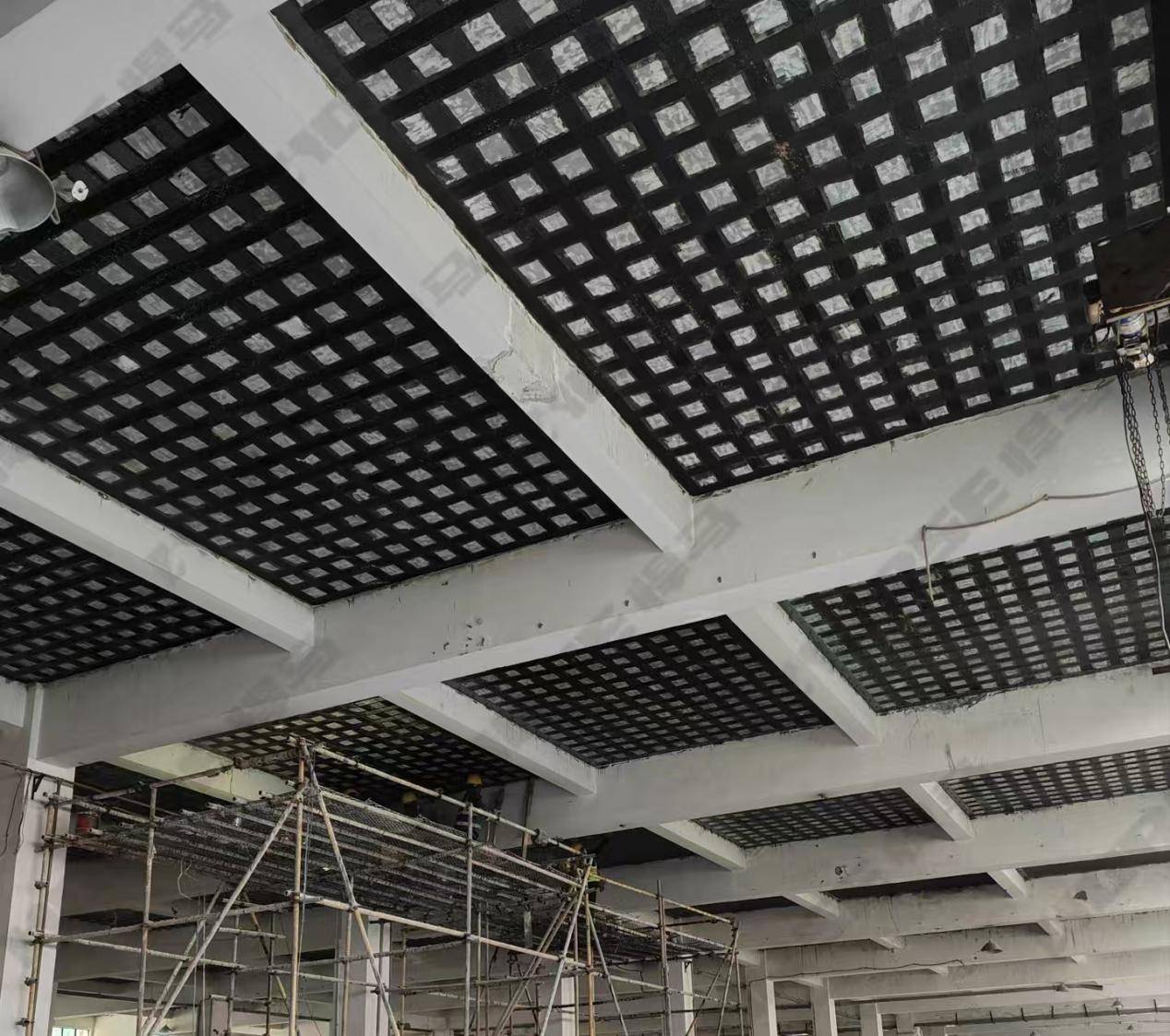
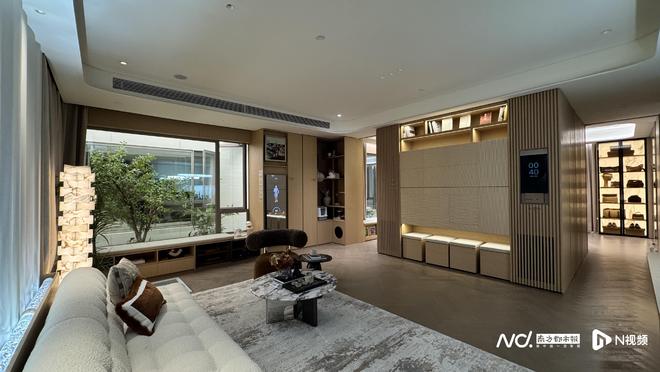
Core Points - Guangzhou's Housing and Urban-Rural Development Bureau officially announced 20 construction measures for "Good Houses" during the Fourth Guangdong Province Architectural Culture Promotion Week, following prior public consultations [2] - An exhibition was held at the Guangzhou Second Workers' Cultural Palace to showcase model rooms and innovative achievements in intelligent construction, allowing citizens to experience the future of "Good Houses" [2][3] Summary by Categories Construction Standards - The warranty period for kitchen, bathroom, and building exterior waterproofing has been extended from 5 years to 10 years [2] - Important technical standards retained include the use of shock-absorbing pads and soundproof coatings for floor slabs, and the installation of monitoring and alarm devices for residential elevators [2] Exhibition Highlights - The exhibition featured over 40 quality exhibits, including intelligent equipment addressing construction pain points and details on creating high-quality living spaces [2] - A full-size model room was displayed, demonstrating the 20 construction measures for "Good Houses," focusing on good design, good construction, and good materials [3] Innovative Materials - New materials showcased include ultra-high-performance concrete (UHPC) with 5-10 times the compressive strength of ordinary concrete, underwater anti-dispersion concrete that solidifies directly in water, and carbon fiber cloth that enhances structural strength by 30% without wall demolition [3] Collaborative Efforts - The construction of "Good Houses" is described as a long-term and systematic project requiring collaboration among government, enterprises, and society, with future efforts to enforce mandatory requirements during land transfer and strengthen oversight from design to completion [3]
2025年中国加固材料行业发展历程、产业链、市场规模、竞争格局及未来趋势研判:建筑加固改造的需求增加,加固材料市场规模近千亿元[图]
Chan Ye Xin Xi Wang· 2025-07-29 01:24
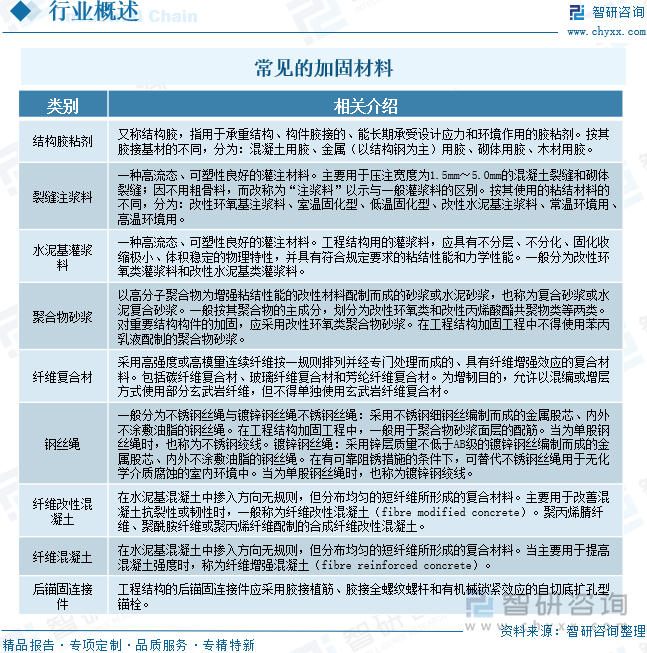
Core Viewpoint - The reinforcement materials industry in China is experiencing significant growth driven by urbanization, aging infrastructure, and increasing safety standards, with the market expected to reach approximately 914.2 billion yuan in 2024, reflecting a year-on-year growth of 7.7% [1][13]. Industry Overview - Reinforcement materials are essential in civil engineering, used to strengthen existing structures to meet new safety and usage requirements. Common types include structural adhesives, crack injection materials, cement-based grouting materials, polymer mortars, and fiber-reinforced composites [3][4]. Industry Development History - The reinforcement materials industry has evolved through three stages: early development, growth, and modern development, with significant advancements in carbon fiber cloth technology and chemical grouting materials [5]. Industry Chain - The reinforcement materials industry chain consists of upstream raw materials and production equipment, midstream manufacturing, and downstream application fields, including building reinforcement, bridge engineering, and water conservancy projects [7]. Key Application Areas - The bridge engineering sector is a major application area for reinforcement materials, addressing issues like structural aging and damage. The total length of roads and bridges in China is projected to grow from 5.756 million kilometers in 2019 to 6.466 million kilometers by 2024, with a compound annual growth rate of 2.35% [11]. Market Dynamics - The carbon fiber cloth market is expected to reach approximately 7.713 billion yuan in 2024, driven by its high strength, lightweight, and ease of application in various structural reinforcement projects [14]. Competitive Landscape - The global reinforcement materials industry features a diverse competitive landscape, with international brands like Sika, Hilti, and Toray competing alongside domestic companies such as Hanma and Guterbang, which leverage technological innovation to gain market share [17][20]. Future Trends - The industry is moving towards smart technology integration, with IoT and big data enhancing monitoring and predictive maintenance capabilities. Additionally, there is a shift towards green materials, with a focus on low-carbon and recyclable options, and a trend towards comprehensive service models that integrate design, construction, and maintenance [25][27][28].





2025年中国碳纤维布行业制造工艺、产业链、发展现状、代表品牌及未来前景:下游应用领域持续扩展,碳纤维布市场规模超70亿元[图]
Chan Ye Xin Xi Wang· 2025-07-16 01:12
Core Insights - The carbon fiber cloth industry in China is experiencing rapid growth, with a projected market size of approximately 7.713 billion yuan by 2024, driven by its applications in various sectors such as construction, aerospace, automotive, and high-end sports equipment [1][13]. Industry Overview - Carbon fiber cloth, known for its high strength, lightweight, and excellent corrosion resistance, is a key material for industry transformation, particularly in building reinforcement [1][4]. - The manufacturing of carbon fiber cloth involves processes such as weaving and molding, with machine weaving allowing for mass production [6]. - The industry supply chain includes raw materials (carbon fiber, resin, etc.), manufacturing, and downstream applications across multiple sectors [8][10]. Market Dynamics - The demand for high-performance carbon fiber is increasing, with the carbon fiber market in China expected to grow from 4.76 billion yuan in 2018 to 17.14 billion yuan by 2024, reflecting a compound annual growth rate (CAGR) of 23.8% [10]. - The aerospace sector is a significant downstream market for carbon fiber cloth, with applications in aircraft and spacecraft manufacturing, enhancing performance and fuel efficiency [11]. Competitive Landscape - The Chinese carbon fiber cloth industry features both international giants (e.g., TORAY, Hexcel) and domestic leaders (e.g., Guangwei Composite Materials, Hengshen) competing in the market [16][17]. - Companies are focusing on technological innovation and quality management to maintain competitive advantages in a rapidly evolving market [16]. Key Companies - Guangwei Composite Materials is a leading player with a comprehensive product range and a projected revenue of 1.452 billion yuan in 2024 [18]. - Zhongfu Shenying specializes in high-performance carbon fiber and is expected to generate 1.543 billion yuan in revenue in 2024 [20]. Industry Trends - The industry is moving towards lightweight materials to meet the demands of sectors like automotive and aerospace, with innovations in weaving techniques and ultra-thin carbon fiber cloth [22]. - Future developments include high-performance products exceeding T1000 grade, enhanced by nanomaterial modifications for improved durability [23]. - Multi-functional carbon fiber cloths are being developed, integrating features like conductivity and fire resistance, expanding market opportunities [25]. - Cost reduction strategies are being implemented through production process optimizations and recycling technologies, facilitating broader applications in civilian sectors [26].