
磁带

Search documents
从“三转一响”到电大教材,太原这座关帝庙装满城市记忆
第一财经· 2026-01-28 13:30
Core Viewpoint - The article highlights the establishment and significance of the Taiyuan City Memory Museum, which serves as a repository of local history and culture through the collection of old objects and personal stories from the residents of Taiyuan [3][9]. Group 1: Historical Context - Taiyuan has a history of over 2,500 years and became one of the eight key industrial cities in China's first five-year plan after the establishment of the People's Republic of China [4]. - The museum showcases the evolution of life in Taiyuan, including the construction of significant landmarks like Yingze Street and the first five-star hotel, Yingze Hotel, in the 1950s [4][6]. - The 1960 opening of a wide-screen cinema marked a significant cultural milestone, reflecting the entertainment preferences of the time [4]. Group 2: Community Engagement - The museum was initiated in 2017 as part of the "Fashion Echo" project, which unexpectedly garnered strong community support for donating old items and visiting exhibitions [9]. - Various exhibitions have been held in different venues, focusing on themes such as the founding of New China and everyday life, demonstrating the community's interest in preserving local history [12][13]. - The museum operates a permanent exhibition space in a historical building, supported by the local government, and is open to the public for free [13]. Group 3: Storytelling and Memory Preservation - The value of old objects is emphasized not just in their physical form but in the stories and histories they represent, with volunteers documenting these narratives during donations [13]. - The museum has become a platform for oral history projects, allowing for the collection and display of personal stories alongside physical artifacts [13][17]. - The museum's online presence, through its WeChat account, encourages community participation in memory-sharing initiatives, further enhancing the preservation of local history [16][17].

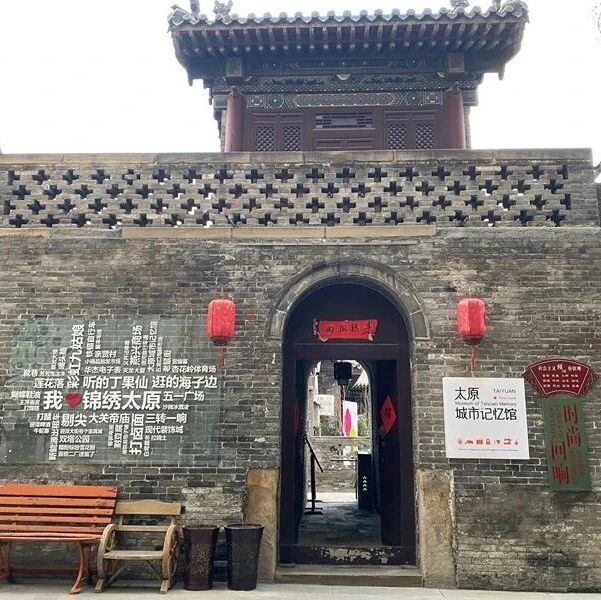
从“三转一响”到电大教材,太原这座关帝庙装满城市记忆
Di Yi Cai Jing· 2026-01-28 02:43
Core Viewpoint - The Taiyuan City Memory Museum, founded by Huang Haibo and his team, emphasizes the importance of the stories behind old objects, not just the objects themselves, with over 30,000 items in its collection [1][3][12] Group 1: Museum Overview - The museum is located in the old city of Taiyuan, specifically on a 500-meter-long street called Nanxiaoqiang, and is based around the local Guandi Temple [1][3] - The collection includes thousands of old items categorized alongside photographs from different eras, showcasing the city's historical changes and daily life [3][8] Group 2: Historical Context - Taiyuan has a history of over 2,500 years and became one of the eight key industrial cities in China's First Five-Year Plan [4] - The museum features exhibits that reflect the lifestyle of Taiyuan residents in the 1950s, including the construction of significant landmarks like Yingze Street and the first five-star hotel [4][6] Group 3: Community Engagement - The "Fashion Echo" project initiated by Huang Haibo in 2017 aimed to collect old items and has seen enthusiastic participation from the community [9][11] - The museum hosts various exhibitions and events, including themed exhibitions on significant historical events and everyday life, fostering community involvement [11][12] Group 4: Educational Initiatives - The museum collaborates with local educational institutions to promote adult education and has seen a rise in interest in lifelong learning since the restoration of the college entrance examination in 1977 [8][12] - The museum also engages in oral history projects, recording the stories of donors to preserve the narratives behind the donated items [12][14] Group 5: Digital and Online Presence - The museum has established an active online platform, "Taiyuan Memory," which encourages citizens to share their stories and photographs, creating a digital archive of community memories [14] - Initiatives like the "Family Album Project" and the "Chronicle" column aim to document both past and present cityscapes, enhancing the museum's role in preserving local history [14]
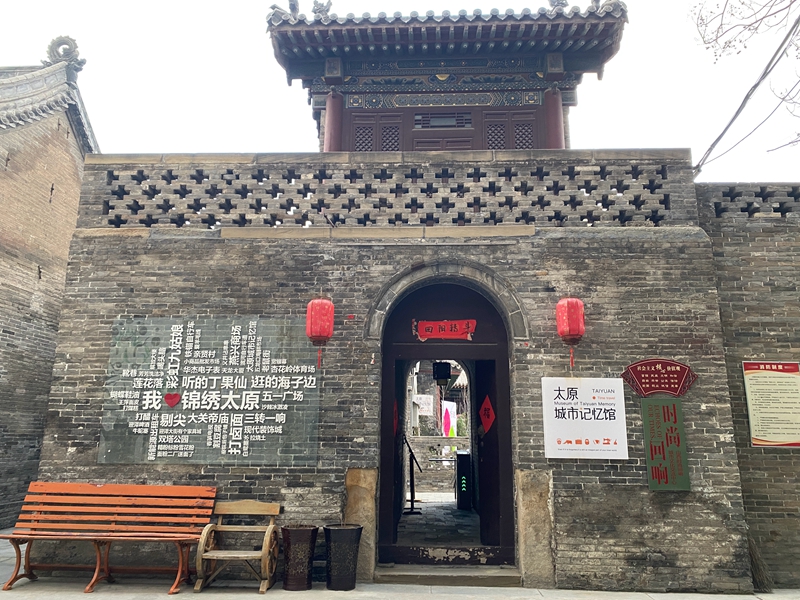
怀旧消费热潮持续升温 沉浸式体验激活消费新活力
Yang Shi Wang· 2025-12-26 03:55
Core Insights - The rise of "nostalgia-themed" commercial districts is attracting significant consumer interest, blending vintage aesthetics with modern shopping experiences [1][5][7] Group 1: Nostalgia-Themed Commercial Spaces - Many cities are developing nostalgia-themed commercial areas that replicate the old street styles and offer retro-packaged products, appealing to both older generations and younger consumers [1][5] - In Beijing's Wangfujing Street, a nostalgia-themed space features classic scenes from the 1970s and 1980s, such as old post offices and photo studios, providing an immersive experience for visitors [3][5] - These spaces not only serve as photo opportunities but also sell nostalgic products like vintage game consoles and snack packages, creating emotional connections with consumers [5][7] Group 2: Consumer Trends in Nostalgia - The nostalgia trend is characterized by a blend of historical depth and real-life integration, allowing different generations to resonate with shared memories, thus encouraging spending on nostalgic experiences [7] - Young consumers are increasingly interested in collecting vintage items, such as old books and audio-visual products, which are seen as new collectibles [8][12] - In Chengdu, a vintage bookstore and a collection store for audio-visual products have become popular among younger demographics, indicating a revival of interest in items that carry historical significance [10][14]
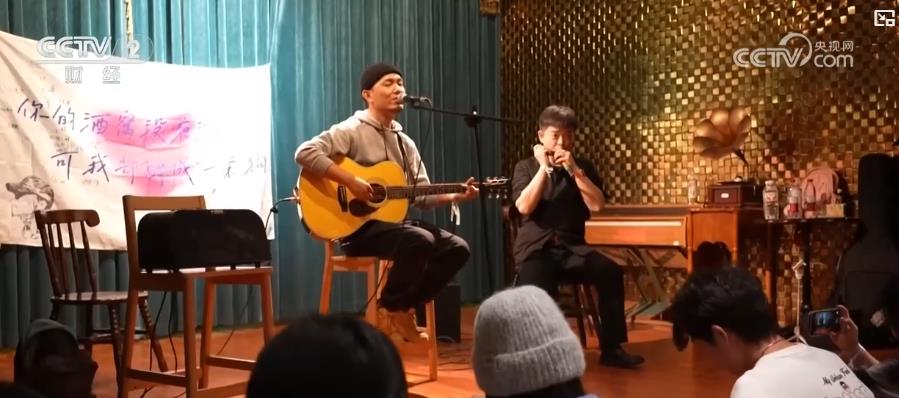
英媒:对算法的愤怒推动老式媒体复兴
Huan Qiu Shi Bao· 2025-07-21 22:40
Group 1 - The rise of artificial intelligence art is driving a revival of traditional media, with vinyl records, film cameras, and print publications becoming fashionable again [1][2] - Vinyl record sales in the U.S. reached $1.4 billion with 44 million units sold last year, marking a 7% increase [1] - The demand for film cameras has doubled over the past five years, despite a 50% increase in film prices since 2019 [1] Group 2 - Nostalgia is a significant factor behind the revival of traditional media, as tangible items are becoming luxurious in a world of instant digital access [2] - There is a growing discontent with algorithms and the AI revolution, leading to a preference for traditional media [2] - Digital markets are adapting to this trend, with companies like Fujifilm launching digital cameras with "film simulation" modes [2]