
光盘

Search documents
“黑户”光盘、随意放置……这些“方便”背后是失泄密风险
Xin Lang Cai Jing· 2026-02-27 23:36
Core Viewpoint - The article highlights the risks associated with the use of optical discs for storing and transmitting sensitive data, emphasizing the need for improved security measures and management practices to prevent data leaks [1][2]. Group 1: Risks of Optical Discs - The identity verification of sensitive optical discs is the first line of defense, but some units fail to enforce strict procurement protocols, allowing staff to purchase blank discs independently, leading to untraceable sources and potential data leaks [2]. - There is a lack of proper labeling for sensitive materials, with instances of discs being marked only verbally as "internal reference," which can lead to misinterpretation and unauthorized access to confidential information [2]. - The absence of a strict tracking system for the circulation of sensitive discs results in situations where discs are lost or unreturned, creating significant security vulnerabilities [2]. Group 2: Recommendations for Improvement - Establishing regulations and management protocols is essential, including clear differentiation between sensitive and regular discs, implementing color coding, and maintaining a dedicated tracking system to ensure traceability [3]. - Regular training on the risks associated with optical discs should be conducted, using case studies to illustrate the dangers and emphasizing the differences in security between optical discs and USB drives [3]. - Strengthening source control by assigning dedicated personnel for recording and using sensitive data, requiring approval for disc burning, and promoting encrypted discs to prevent unauthorized access [3]. - Enforcing accountability by implementing a "who uses, who is responsible" principle, incorporating compliance checks into evaluations, and imposing strict penalties for violations to deter negligence [3].
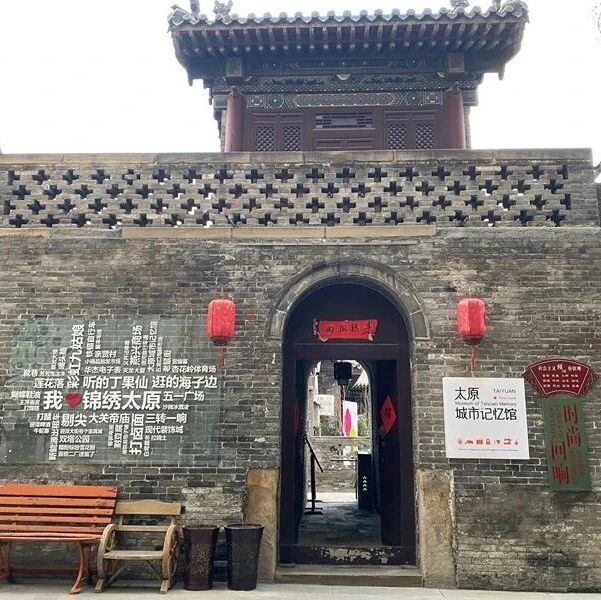
从“三转一响”到电大教材,太原这座关帝庙装满城市记忆
第一财经· 2026-01-28 13:30
Core Viewpoint - The article highlights the establishment and significance of the Taiyuan City Memory Museum, which serves as a repository of local history and culture through the collection of old objects and personal stories from the residents of Taiyuan [3][9]. Group 1: Historical Context - Taiyuan has a history of over 2,500 years and became one of the eight key industrial cities in China's first five-year plan after the establishment of the People's Republic of China [4]. - The museum showcases the evolution of life in Taiyuan, including the construction of significant landmarks like Yingze Street and the first five-star hotel, Yingze Hotel, in the 1950s [4][6]. - The 1960 opening of a wide-screen cinema marked a significant cultural milestone, reflecting the entertainment preferences of the time [4]. Group 2: Community Engagement - The museum was initiated in 2017 as part of the "Fashion Echo" project, which unexpectedly garnered strong community support for donating old items and visiting exhibitions [9]. - Various exhibitions have been held in different venues, focusing on themes such as the founding of New China and everyday life, demonstrating the community's interest in preserving local history [12][13]. - The museum operates a permanent exhibition space in a historical building, supported by the local government, and is open to the public for free [13]. Group 3: Storytelling and Memory Preservation - The value of old objects is emphasized not just in their physical form but in the stories and histories they represent, with volunteers documenting these narratives during donations [13]. - The museum has become a platform for oral history projects, allowing for the collection and display of personal stories alongside physical artifacts [13][17]. - The museum's online presence, through its WeChat account, encourages community participation in memory-sharing initiatives, further enhancing the preservation of local history [16][17].

从“三转一响”到电大教材,太原这座关帝庙装满城市记忆
Di Yi Cai Jing· 2026-01-28 02:43
Core Viewpoint - The Taiyuan City Memory Museum, founded by Huang Haibo and his team, emphasizes the importance of the stories behind old objects, not just the objects themselves, with over 30,000 items in its collection [1][3][12] Group 1: Museum Overview - The museum is located in the old city of Taiyuan, specifically on a 500-meter-long street called Nanxiaoqiang, and is based around the local Guandi Temple [1][3] - The collection includes thousands of old items categorized alongside photographs from different eras, showcasing the city's historical changes and daily life [3][8] Group 2: Historical Context - Taiyuan has a history of over 2,500 years and became one of the eight key industrial cities in China's First Five-Year Plan [4] - The museum features exhibits that reflect the lifestyle of Taiyuan residents in the 1950s, including the construction of significant landmarks like Yingze Street and the first five-star hotel [4][6] Group 3: Community Engagement - The "Fashion Echo" project initiated by Huang Haibo in 2017 aimed to collect old items and has seen enthusiastic participation from the community [9][11] - The museum hosts various exhibitions and events, including themed exhibitions on significant historical events and everyday life, fostering community involvement [11][12] Group 4: Educational Initiatives - The museum collaborates with local educational institutions to promote adult education and has seen a rise in interest in lifelong learning since the restoration of the college entrance examination in 1977 [8][12] - The museum also engages in oral history projects, recording the stories of donors to preserve the narratives behind the donated items [12][14] Group 5: Digital and Online Presence - The museum has established an active online platform, "Taiyuan Memory," which encourages citizens to share their stories and photographs, creating a digital archive of community memories [14] - Initiatives like the "Family Album Project" and the "Chronicle" column aim to document both past and present cityscapes, enhancing the museum's role in preserving local history [14]
先是中国制造走向世界,再是中国制造领先国际,奇迹,正在发生
Sou Hu Cai Jing· 2025-12-18 06:18
Group 1 - Ancient China dominated global manufacturing with silk, porcelain, and tea, leading to significant wealth and trade surplus, while Western countries faced trade deficits [1] - The resurgence of China as a manufacturing powerhouse in 2010 is attributed to advanced technology and cultural qualities, including a strong agricultural heritage and emphasis on self-sufficiency [3][5] - China's historical manufacturing strength has influenced its modern economy, supporting the development of various industries through agricultural advancements and technological innovations [3][5] Group 2 - The transformation from an agricultural nation to an industrial power is a result of accumulated agricultural knowledge and economic management wisdom over thousands of years [5] - China's willingness to work harder than other nations has been a key factor in its success, as evidenced by its ability to produce complex products like engines and spacecraft [7] - The structural contradictions in the U.S. manufacturing sector, such as workers demanding reduced hours while seeking higher wages, contrast with China's efficient production capabilities [9] Group 3 - The resilient national character of the Chinese people has historically driven progress in manufacturing, with a focus on deepening and broadening production capabilities [11] - Western attempts to suppress Chinese manufacturing have inadvertently provided opportunities for China to advance from low-end to mid-to-high-end manufacturing [11] - The cultural work ethic in China, exemplified by the "996" work culture and the spirit of companies like Huawei, reflects a commitment to overcoming challenges and achieving goals [11]

这些跨境寄递行为可能违法 国家安全部提示四大风险
Yang Shi Wang· 2025-08-26 00:30
Core Viewpoint - The article emphasizes the increasing risks associated with cross-border parcel delivery due to varying laws and customs regulations across countries, highlighting the need for vigilance and awareness among citizens engaging in such activities [1] Group 1: Risks in Cross-Border Delivery - Sensitive information stored on digital carriers like hard drives can lead to national security threats if intercepted by foreign entities [2] - Mailing biological materials without understanding the destination country's laws can result in legal consequences, as evidenced by recent customs seizures of illegal packages [2] - Receiving unknown parcels, especially those with discrepancies in labeling or signs of tampering, poses significant risks and should be approached with caution [2] Group 2: Prohibited Items in Daily Life - Common items may be classified as prohibited during cross-border shipping, including books with political, racial, or violent content, as well as alcohol, meat products, e-cigarettes, and drugs [3] - Products infringing on intellectual property rights, such as counterfeit clothing and pirated software, can lead to confiscation and legal penalties [3] Group 3: Safety Measures and Regulations - Citizens should familiarize themselves with relevant laws and regulations before engaging in cross-border shipping to avoid unintentional violations [4] - Maintaining a high level of risk awareness is crucial, including avoiding the mailing of unknown items and selecting reputable international courier services [4] - Delivery companies must enforce strict protocols for package inspection and identification to prevent illegal items from entering the shipping channels [4] - Enhanced regulatory measures are necessary to improve inspection efficiency and combat illegal mailing activities, alongside public awareness campaigns [4] Group 4: Reporting Suspicious Activities - Citizens are encouraged to report any suspicious activities related to cross-border mailing that may threaten national security through designated channels [5]
线下跨境体验店落地北京双井 上万种境外商品先体验再下单
Bei Jing Wan Bao· 2025-06-15 07:37
Group 1 - The opening of JD MALL Beijing Shuangjing store marks the introduction of a technology-driven commercial complex with an area of 50,000 square meters, featuring "immersive experience, full-category coverage, and scenario-based services" [1] - The store includes the first immersive experience space in North China focused on instant imaging culture, created by Fujifilm, attracting consumers with interactive photo opportunities [1] - JD MALL Shuangjing store introduces a cross-border experience store model that integrates international sourcing, bonded warehouse operations, customs declaration, international logistics, offline stores, and online cross-border shopping, offering over ten thousand products from more than 50 countries and regions [1] Group 2 - The store emphasizes technology with an "AI New Life" experience area showcasing cutting-edge AI products such as AI computers, robots, and glasses, positioning the Shuangjing business district as a hub for digital economy empowerment [2]

上万种境外商品先体验再下单
Bei Jing Wan Bao· 2025-06-15 06:22
Group 1 - JD MALL Beijing Shuangjing store opened with a total area of 50,000 square meters, featuring "immersive experience + full category coverage + scenario-based services" [1] - The store includes the first offline cross-border experience store in North China, allowing consumers to experience products from over 50 countries and regions [1] - The store showcases a retro cabinet replicating JD's original 1998 market stall, highlighting the company's unique entrepreneurial history [1] Group 2 - The store emphasizes technology with an "AI New Life" experience area featuring cutting-edge AI products such as computers, robots, and glasses [2] - The location near the CBD positions the Shuangjing business district as a hub for digital economy empowerment [2]