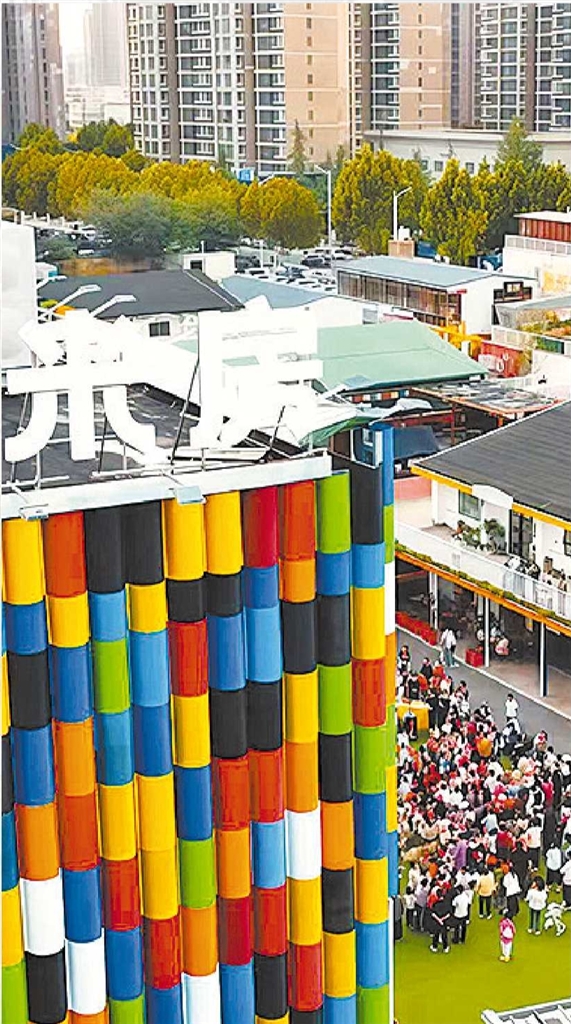
磨街文创园

Search documents
河南郑州:以人文经济学赋能城市更新
Xin Lang Cai Jing· 2026-02-08 04:03
Core Insights - Zhengzhou is actively promoting urban renewal by integrating cultural and economic development, transforming old industrial sites and historical relics into vibrant urban spaces that reflect deep cultural heritage and a warm city atmosphere [1] Group 1: Urban Renewal Projects - The Moshijie Cultural and Creative Park, located in the old industrial area, has transformed the former site of the Zhengzhou Abrasives Research Institute into a lively space, creating approximately 2,200 jobs and over 120 new small businesses since its opening in October 2023 [2] - The "Zhengzhou Memory Oil Chemical Plant," a renovation of a Soviet-era facility, retains its industrial aesthetic while hosting over 190 shops and attracting daily foot traffic of more than 30,000 visitors, establishing itself as a national-level tourist destination [3] Group 2: Cultural Integration - The Heidu New Image Commercial Street, built on the site of the Shang Dynasty capital, features over 60 well-known dining and retail brands, with more than 40% being first-time entrants in Central China and Henan, effectively merging historical context with modern commercial activity [4] - The integration of historical culture into modern life not only stimulates new consumer dynamics but also fosters cultural identity and confidence among residents, as highlighted by the significant foot traffic of over 100,000 on the opening day of Heidu New Image [5] Group 3: Policy and Future Directions - Zhengzhou has implemented a series of initiatives, including the "Zhengzhou Urban Renewal Regulations" and the "Zhengzhou Urban Renewal Action Plan (2025-2027)," to create distinctive parks and establish a new path for urban renewal [6] - Successful urban renewal projects in Zhengzhou aim to achieve multiple goals, including historical preservation, improved livelihoods, economic growth, and cultural transmission, demonstrating a comprehensive approach to urban development [6] Group 4: Economic Impact - The Zhengzhou Memory 1952 Oil Chemical Plant has diversified its offerings to include cultural creativity, entertainment, and immersive experiences, attracting over 250,000 visitors during the 2026 New Year holiday and generating revenue exceeding 11 million yuan [6] - The city has announced 13 new urban renewal projects, with a total investment of 7.25 billion yuan, indicating a strong commitment to enhancing urban charm through the revival of cultural heritage [7]
从商代夯土、工业铁锈到魅力烟火
Zheng Zhou Ri Bao· 2026-01-15 00:52
Core Perspective - The transformation of industrial heritage sites in Zhengzhou reflects a blend of historical preservation and modern economic revitalization, showcasing the city's efforts to repurpose old factories and cultural sites into vibrant community spaces [1][2][3][4] Group 1: Industrial Heritage Transformation - The "磨街文创园" (Mojie Cultural and Creative Park) has repurposed the former Zhengzhou Abrasives Research Institute into a creative space, attracting around 2,200 jobs and over 120 new micro-entrepreneurial entities since its opening in October 2023 [2] - The renovation approach emphasizes preserving the original industrial aesthetics, with no trees cut or buildings demolished, maintaining the historical character of the site [2] - Similar projects, like "郑州记忆·油化厂" (Zhengzhou Memory Oil Chemical Plant), have also retained their original structures while introducing new business models, resulting in over 30,000 daily visitors [2] Group 2: Cultural Integration and Community Engagement - The "亳都·新象商业街区" (Bodu New Image Commercial Street) integrates modern commercial activities with historical elements, attracting over 100,000 visitors on its opening day and enhancing cultural identity among residents [3] - The blending of modern and traditional elements in these spaces creates a comfortable environment for community engagement, allowing residents to connect with their cultural heritage [3] - Ongoing projects like "塔湾古街" (Tawan Ancient Street) and "国棉三厂文化街区" (National Cotton Factory Cultural District) are expanding the vision for cultural and historical site revitalization in Zhengzhou [4]
人文经济激活消费新动能丨从商代夯土、工业铁锈到魅力烟火——郑州城市消费空间迭代记
Xin Hua Wang· 2026-01-14 14:13
Core Viewpoint - The transformation of old industrial areas in Zhengzhou into cultural and creative spaces reflects a blend of urban renewal and economic vitality, showcasing the integration of local history and cultural elements into modern life [1][5][10] Group 1: Urban Renewal and Economic Development - The "磨街文创园" (Mojie Cultural and Creative Park) has revitalized a former industrial site, creating a space that combines work and leisure, and has generated approximately 2,200 jobs since its opening in October 2023 [3][5] - The park has seen an annual increase of over 120 new micro-entrepreneurial entities, indicating a thriving entrepreneurial environment [3] - The renovation approach of "not demolishing or building anew" preserves the industrial heritage while fostering new business opportunities, as seen in the "郑州记忆·油化厂" (Zhengzhou Memory Oil Chemical Plant) which hosts over 190 shops and attracts daily foot traffic of more than 30,000 visitors [5][7] Group 2: Cultural Integration and Community Engagement - The integration of historical and cultural elements into the design and activities of these spaces enhances community engagement and cultural identity, as highlighted by the successful projection of public wishes on ancient city walls during New Year's celebrations [7][9] - The combination of modern and traditional aesthetics in these cultural spaces provides a comfortable environment for residents, promoting a sense of cultural confidence and identity [9][10] - Ongoing projects like "塔湾古街" (Tawan Ancient Street) and "国棉三厂文化街区" (Guomian No. 3 Factory Cultural District) are set to further expand the cultural landscape of Zhengzhou, indicating a sustained commitment to urban renewal [9][10]

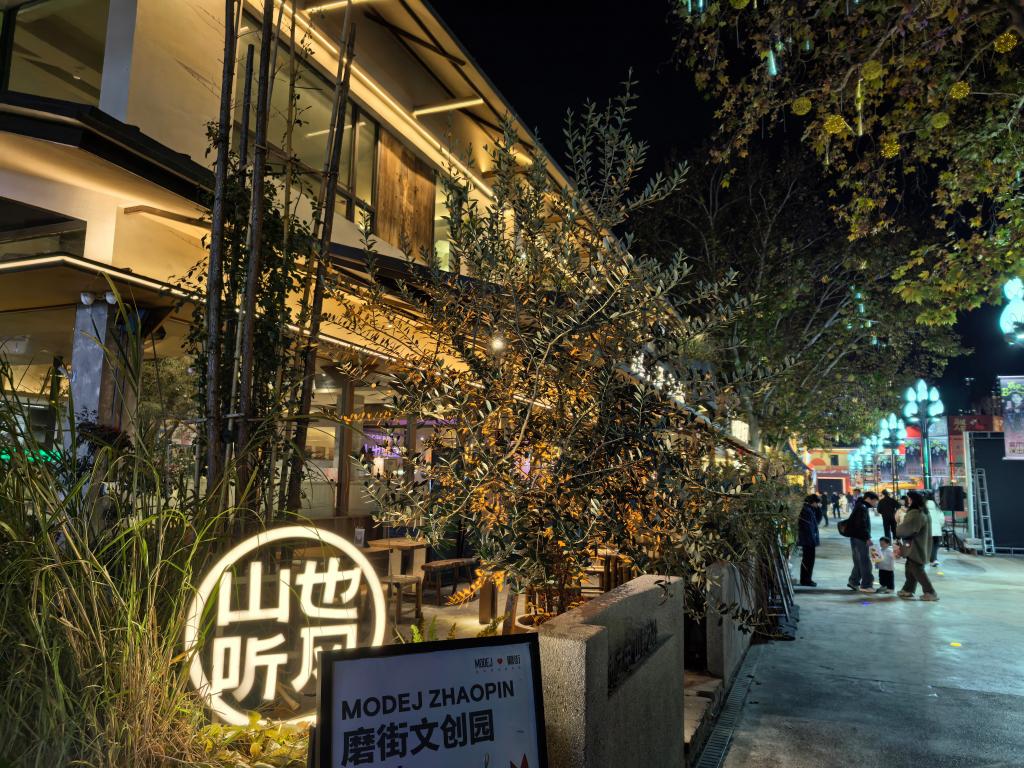
当城市开始“逆生长”——解码郑州街区的进化与新生
He Nan Ri Bao· 2025-11-26 00:02
Core Insights - The article discusses the transformation of urban spaces in Zhengzhou, particularly focusing on the evolution of historical and industrial areas into vibrant cultural and commercial districts, reflecting a shift from mere expansion to qualitative urban renewal [1][10]. Group 1: Urban Development and Cultural Transformation - Zhengzhou has recognized 7 national-level and 40 provincial-level tourism and leisure districts, showcasing a significant investment in urban cultural spaces [1]. - The city is transitioning from "incremental expansion" to "quality improvement," with a focus on creating immersive experiences that meet the spiritual needs of residents [1][10]. - The revitalization of old industrial sites, such as the transformation of the Zhengzhou 0143 grain reserve into a trendy creative district, exemplifies this urban evolution [2][10]. Group 2: Industrial Heritage and Creative Spaces - The article highlights successful examples of industrial heritage revitalization across China, including the Beijing 798 Art District and Shanghai's EKA, which serve as models for Zhengzhou's transformation [3]. - The "磨街文创园" (Mojie Cultural and Creative Park) has become a hub for social interaction and commerce, attracting over 13,000 daily visitors by blending historical architecture with modern design [5][9]. - The preservation of historical buildings while integrating modern amenities is a key strategy in creating appealing urban spaces that resonate with younger demographics [10][12]. Group 3: Community Engagement and Experience Economy - The article emphasizes the importance of community-driven initiatives in urban renewal, where local designers and artists play a crucial role in shaping the cultural landscape [9][10]. - The transformation of traditional shopping areas into multi-functional spaces that cater to social and experiential needs reflects a broader trend in consumer behavior, moving from mere transactions to lifestyle experiences [12][14]. - Events and activities tailored to younger audiences are increasingly becoming a focal point for urban districts, enhancing their appeal and engagement [12][14]. Group 4: Historical Context and Future Directions - The integration of historical elements into modern urban design is seen as a way to maintain cultural continuity while fostering innovation [17][21]. - Projects like "亳都·新象" (Bodou New Image) illustrate how commercial spaces can thrive by embedding themselves within historical contexts, attracting significant foot traffic and enhancing local identity [21][22]. - The ongoing urban renewal efforts in Zhengzhou are characterized by a commitment to preserving historical narratives while adapting to contemporary needs, ensuring that the city's evolution is both respectful and forward-looking [25].