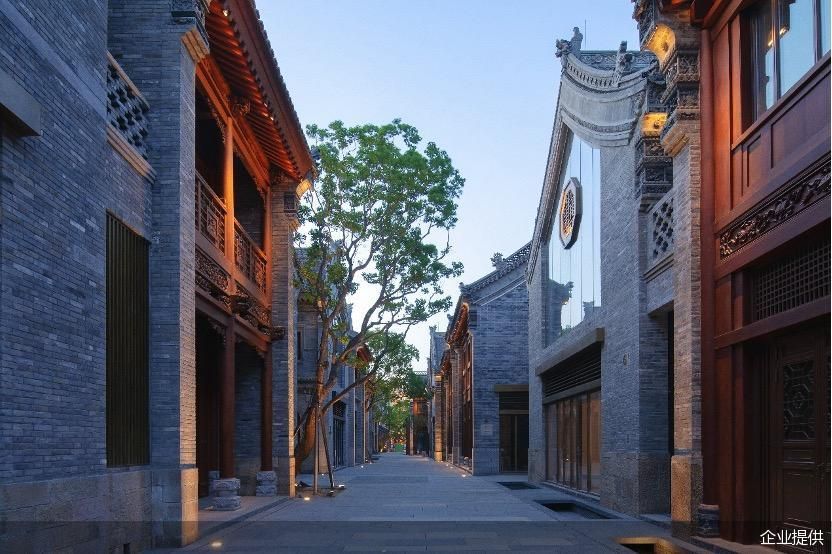
亳都·新象

Search documents
当城市开始“逆生长”——解码郑州街区的进化与新生
He Nan Ri Bao· 2025-11-26 00:02
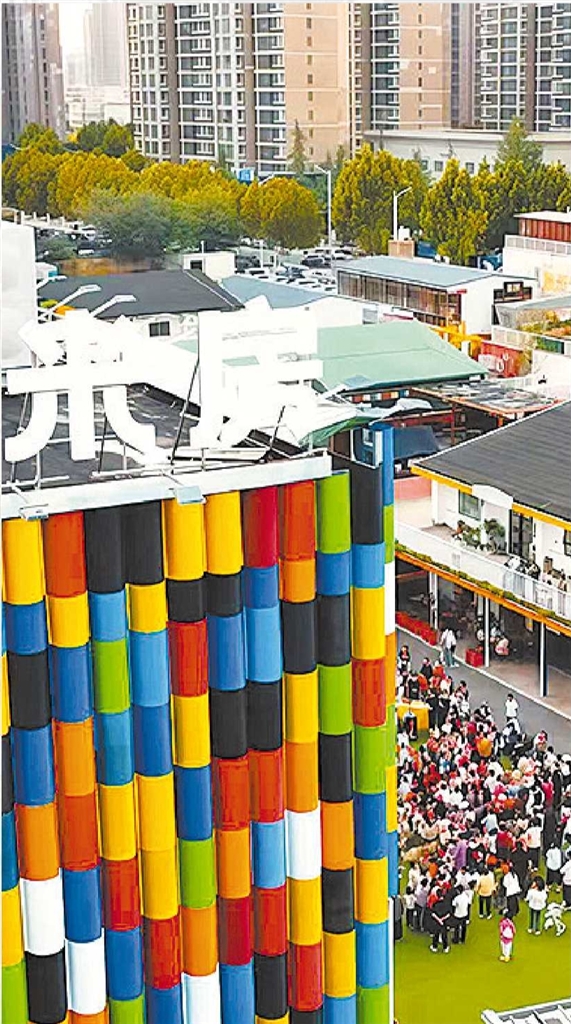
Core Insights - The article discusses the transformation of urban spaces in Zhengzhou, particularly focusing on the evolution of historical and industrial areas into vibrant cultural and commercial districts, reflecting a shift from mere expansion to qualitative urban renewal [1][10]. Group 1: Urban Development and Cultural Transformation - Zhengzhou has recognized 7 national-level and 40 provincial-level tourism and leisure districts, showcasing a significant investment in urban cultural spaces [1]. - The city is transitioning from "incremental expansion" to "quality improvement," with a focus on creating immersive experiences that meet the spiritual needs of residents [1][10]. - The revitalization of old industrial sites, such as the transformation of the Zhengzhou 0143 grain reserve into a trendy creative district, exemplifies this urban evolution [2][10]. Group 2: Industrial Heritage and Creative Spaces - The article highlights successful examples of industrial heritage revitalization across China, including the Beijing 798 Art District and Shanghai's EKA, which serve as models for Zhengzhou's transformation [3]. - The "磨街文创园" (Mojie Cultural and Creative Park) has become a hub for social interaction and commerce, attracting over 13,000 daily visitors by blending historical architecture with modern design [5][9]. - The preservation of historical buildings while integrating modern amenities is a key strategy in creating appealing urban spaces that resonate with younger demographics [10][12]. Group 3: Community Engagement and Experience Economy - The article emphasizes the importance of community-driven initiatives in urban renewal, where local designers and artists play a crucial role in shaping the cultural landscape [9][10]. - The transformation of traditional shopping areas into multi-functional spaces that cater to social and experiential needs reflects a broader trend in consumer behavior, moving from mere transactions to lifestyle experiences [12][14]. - Events and activities tailored to younger audiences are increasingly becoming a focal point for urban districts, enhancing their appeal and engagement [12][14]. Group 4: Historical Context and Future Directions - The integration of historical elements into modern urban design is seen as a way to maintain cultural continuity while fostering innovation [17][21]. - Projects like "亳都·新象" (Bodou New Image) illustrate how commercial spaces can thrive by embedding themselves within historical contexts, attracting significant foot traffic and enhancing local identity [21][22]. - The ongoing urban renewal efforts in Zhengzhou are characterized by a commitment to preserving historical narratives while adapting to contemporary needs, ensuring that the city's evolution is both respectful and forward-looking [25].

地方城市更新又增新案例,郑州文商旅要上线重磅新IP
Di Yi Cai Jing· 2025-05-30 04:15
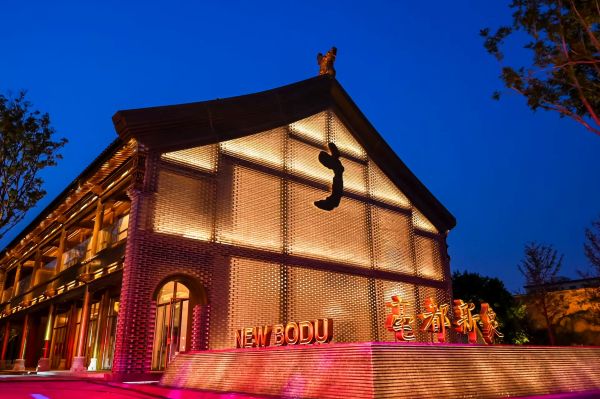
Core Insights - Zhengzhou plans to invest 200 billion yuan in urban renewal by 2025, which represents 13% of the city's projected GDP for 2024 [5] - The "Bohdu·New Image" project aims to blend traditional culture with modern commerce, serving as a new model for urban renewal in Zhengzhou [1][4] - The project is part of a broader strategy to meet the evolving consumer demands in Zhengzhou, particularly as the city transitions from a "population dividend" to a "talent dividend" [1][4] Investment and Economic Context - The urban renewal investment of 200 billion yuan is expected to sustain demand due to Zhengzhou's large population base, which surpassed 13 million in 2023 and is projected to reach 18 million by 2035 [5] - As of the end of 2024, Zhengzhou has 397 urban renewal projects with a total investment of 1.1 trillion yuan, of which 280 billion yuan has already been completed, indicating a 25% progress rate [5] Project Details - "Bohdu·New Image" is designed to be a cultural commercial district, featuring 15 unique themed courtyards and is positioned as a key area for historical and cultural heritage [1][4] - The project is located near significant historical sites, including the ancient city wall from 3600 years ago and the second oldest Confucian temple in China, which will influence its operational model [2] Broader Urban Renewal Trends - The central government has initiated urban renewal actions that encompass various tasks, including the renovation of old buildings and neighborhoods, which reflects a shift towards improving existing urban structures rather than merely expanding [6][8] - Other cities, such as Shenzhen and Chengdu, are also advancing urban renewal efforts, focusing on balancing historical preservation with modern development, showcasing a nationwide trend towards enhancing urban living conditions [8]
首进品牌超30% 非标商业亳都·新象将于今年“十一”开业
Bei Jing Shang Bao· 2025-05-29 13:48
Core Insights - The new commercial project "Bodou. New Image" in Zhengzhou is set to open during the National Day holiday, featuring over 30% of first-time brands and more than 50% of its offerings focused on dining [1][5] - The project aims to provide a unique consumer experience through an open street model, which differs from traditional commercial projects [1][5] Project Overview - "Bodou. New Image" is located in the culturally rich Guancheng Hui District of Zhengzhou, covering approximately 46 acres with a total above-ground construction area of about 24,000 square meters and an underground area of around 17,000 square meters [3] - The project incorporates traditional architectural styles of the Central Plains and is designed around the core area of the ancient Shang Dynasty city ruins, featuring a main street, multiple alleys, 15 themed courtyards, and four cultural theme squares [3] Business Strategy - The project will consist of four main business segments: a dining-focused "Food Light Reception Hall," a coffee and beverage area called "City Wall Social Circle," a light meal and trendy product area named "Life Joyful Place," and a fashion and outdoor brand hub called "Pioneer Gravity Field" [5] - "Bodou. New Image" plans to introduce over 30% of first-time brands, including notable names such as LENBACH, COMMUNE, and Michelin-recommended Wenxing Restaurant, among others [5] Market Positioning - Unlike traditional commercial projects that prioritize retail, "Bodou. New Image" adopts an "experience-first, integrated business" strategy, with dining making up over 50% of its offerings, aiming to create a full-day consumption experience [5] - The project will also engage in cross-industry collaborations and host various community activities, including art exhibitions and themed markets like coffee and beer festivals [5] Industry Context - As Zhengzhou develops in sectors like new energy and pharmaceuticals, both local consumers and incoming talent are seeking new shopping experiences that blend with local culture [6] - The emergence of "Bodou. New Image" is expected to revitalize the local consumer market and promote diversity and uniqueness in commercial offerings, countering the homogenization seen in many existing shopping malls [6] - This project is part of a larger initiative to develop the 620,000 square meter core area of the Shang Dynasty city ruins, which will include additional projects that will synergize with "Bodou. New Image" [6]