商业街区运营

Search documents
新春走基层丨年里新味 潮趣商都
He Nan Ri Bao· 2026-02-21 23:15
Core Viewpoint - The article highlights the vibrant cultural atmosphere in Zhengzhou during the Spring Festival, showcasing a blend of ancient heritage and modern festivities, particularly at the Shang Dynasty ruins and the new cultural commercial district. Group 1: Cultural Events and Activities - The Zhengzhou Shangdu Ruins Museum hosted a series of engaging activities during the Spring Festival, including a special exhibition titled "The Horse of Shang Hai" that features various art forms to celebrate the cultural significance of horses in ancient times [2][3] - Visitors participated in interactive experiences such as writing New Year wishes on a prayer wall and enjoying a cultural stage play, enhancing the festive atmosphere [3][4] - The museum's exhibitions, including the "National Treasure Returns Home" display, provided insights into the historical significance of the Shang Dynasty and its archaeological discoveries [2][4] Group 2: Commercial and Consumer Engagement - The new cultural commercial district, Baidu New Image, emerged as a vibrant hub, featuring numerous interactive activities and local flagship stores, reflecting strong consumer engagement during the holiday season [4][5] - The district's design integrates traditional architectural elements, creating a unique shopping experience that attracts both locals and tourists [4][5] - The market area showcased various intangible cultural heritage elements, such as shadow puppetry and traditional crafts, contributing to a rich cultural experience for visitors [5][6] Group 3: Visitor Experience and Sentiment - Tourists expressed satisfaction with their experiences, noting the blend of cultural depth and modernity in Zhengzhou, which enhances the city's appeal [3][5] - The festive atmosphere was further enriched by live music performances and themed exhibitions, creating a lively environment for families and individuals alike [5][6] - The combination of traditional and contemporary elements in the celebrations was highlighted as a unique aspect of the Spring Festival in Zhengzhou, attracting a diverse audience [5][6]

解码人文经济新动能丨圈粉!老地标留住“新”面孔
Xin Hua Wang· 2026-01-28 07:14
Core Viewpoint - The article highlights the transformation of historical districts in China, focusing on the integration of cultural innovation and urban renewal to attract younger consumers through immersive experiences and unique consumption scenarios [2][8][22]. Group 1: Urban Renewal and Cultural Innovation - The Baoyuanli area in Wuhan, built in 1912, has been revitalized while preserving its historical architecture, transforming into a vibrant space for both daytime shopping and nighttime immersive theater experiences [2][5]. - The "day street night performance" model has proven successful, with a significant increase in young visitors, particularly during special events like the New Year, where 20,000 visitors were recorded over three days, with over 60% being young tourists [5][22]. - The Chinese government has emphasized the importance of urban renewal, encouraging the enhancement of commercial pedestrian streets and the optimization of public spaces to foster cultural tourism [5][22]. Group 2: Consumer Trends and Preferences - There is a growing demand among young consumers for immersive and personalized experiences, as evidenced by the popularity of the immersive theater "Baoyuan Fengyun" [5][22]. - The trend of "buying experiences" over products is becoming prevalent, with young consumers willing to pay for emotional value, leading to the transformation of old landmarks into engaging cultural spaces [14][22]. - In cities like Guiyang, the integration of local flavors and innovative concepts in food and beverage offerings has attracted a significant number of visitors, with daily foot traffic reaching 40,000 and over 28.8 million visitors recorded [10][12]. Group 3: Examples of Successful Transformations - The Taiping Road in Guiyang has been revitalized to cater to young consumers, featuring creative shops and a blend of traditional and modern elements, becoming a trendy area for both locals and tourists [10][12]. - The Chongqing Shancheng Alley has also undergone a transformation aimed at young audiences, hosting various events and activities to enhance visitor engagement and experience [17][21]. - Nationwide, many historical landmarks are adopting similar "explosive renovation" strategies, focusing on experiential offerings rather than just product sales, as seen in places like Shanghai and Beijing [21][22].
调查|风中排队等位,外摆少人问津!开放式商业街区如何过冬?
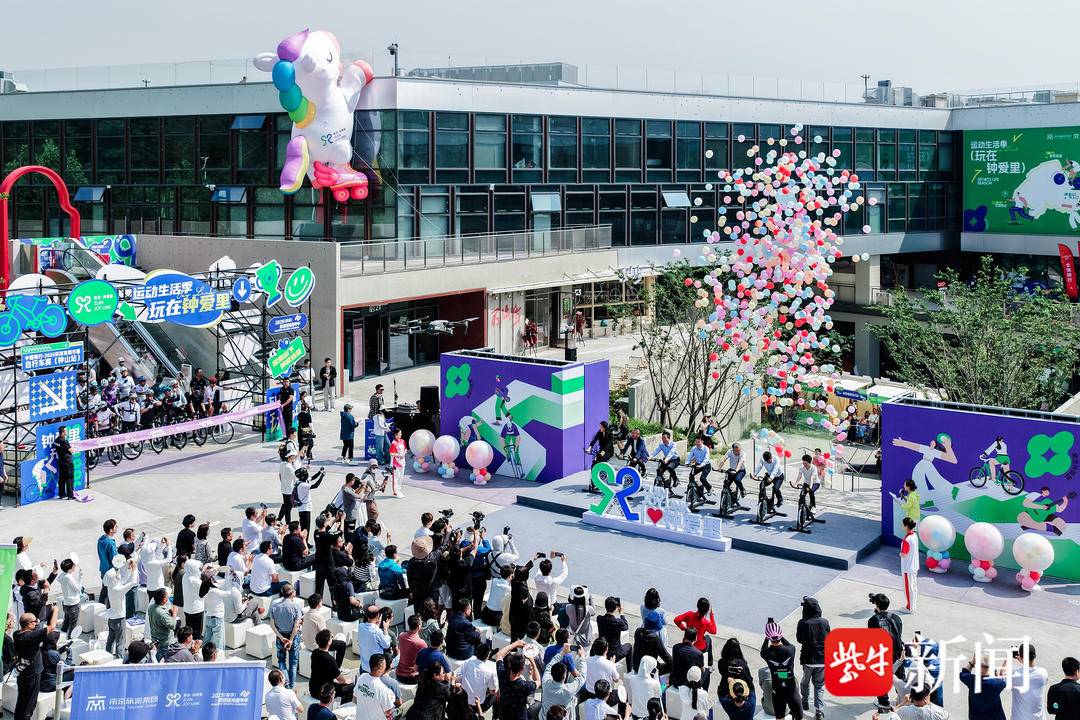
Bei Jing Ri Bao Ke Hu Duan· 2026-01-05 02:14
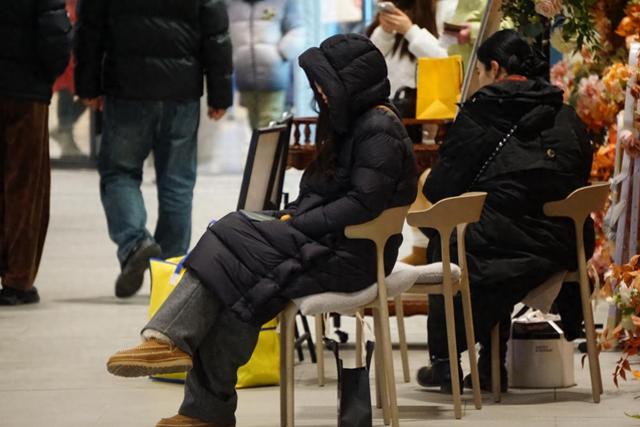
Core Viewpoint - The article discusses the challenges faced by open-air commercial districts in Beijing during winter, highlighting the need for effective heating solutions to attract and retain customers in cold weather [1][22]. Group 1: Customer Experience - Customers are experiencing discomfort due to low temperatures, with outdoor seating areas being largely unoccupied as temperatures drop significantly, reaching as low as -13.2°C [9][11]. - Many customers express their dissatisfaction with the cold, noting that areas like subway stations are warmer compared to outdoor shopping districts [2][4]. - Some establishments have implemented creative solutions, such as decorative scarves on sculptures, to enhance the winter experience, but these do not provide actual warmth [1][2]. Group 2: Heating Solutions - A few restaurants have taken the initiative to install heating devices, such as umbrella-shaped heaters, to provide warmth for waiting customers, with temperatures reaching 10.1°C under these heaters [15][17]. - The "俄士厨房" restaurant has constructed a sunroom to create a more comfortable waiting area for customers, effectively transforming outdoor space into a warmer environment [19][20]. - The "前门美食荟" has strategically placed camping tents with heating solutions to enhance customer comfort and increase foot traffic during winter [22][24]. Group 3: Business Adaptation - Many businesses are struggling with strict regulations regarding outdoor heating equipment, limiting their ability to provide adequate warmth for customers [13]. - The overall customer flow in open-air commercial areas has decreased significantly during winter, with many outdoor seating areas remaining unused [11][13]. - Successful adaptations by some businesses, such as providing heated waiting areas, have shown potential to reverse the trend of declining customer numbers in winter [15][22].
北京市商业步行街评估成果发布,40条街区获认定
Xin Jing Bao· 2026-01-03 06:26
Group 1 - The core viewpoint of the news is the release of the "Beijing Commercial Pedestrian Street Evaluation Results," which highlights the achievements and unique characteristics of Beijing's commercial pedestrian streets, providing data support and direction for future development [1][2] - A total of 40 streets were recognized through a comprehensive evaluation based on planning layout, facility conditions, functional quality, comprehensive benefits, and organizational management [1] - The Beijing Characteristic Street Chamber of Commerce emphasizes the integration of commerce, tourism, culture, and sports, creating unique street charm and transforming commercial streets into leisure destinations and cultural experience spaces [1] Group 2 - The Director of the Planning and Construction Department of the Beijing Municipal Bureau of Commerce analyzed the current consumer market trends and outlined key directions for promoting high-quality development of characteristic commercial streets, emphasizing collaboration and environmental optimization [2] - The summit included participation from nearly a hundred representatives of notable streets such as Wangfujing, Qianmen, Sanlitun Taikoo Li, and Huaxi LIVE, fostering consensus and injecting new momentum into the integration of commerce, tourism, culture, and health [2]

当城市开始“逆生长”——解码郑州街区的进化与新生
He Nan Ri Bao· 2025-11-26 00:02
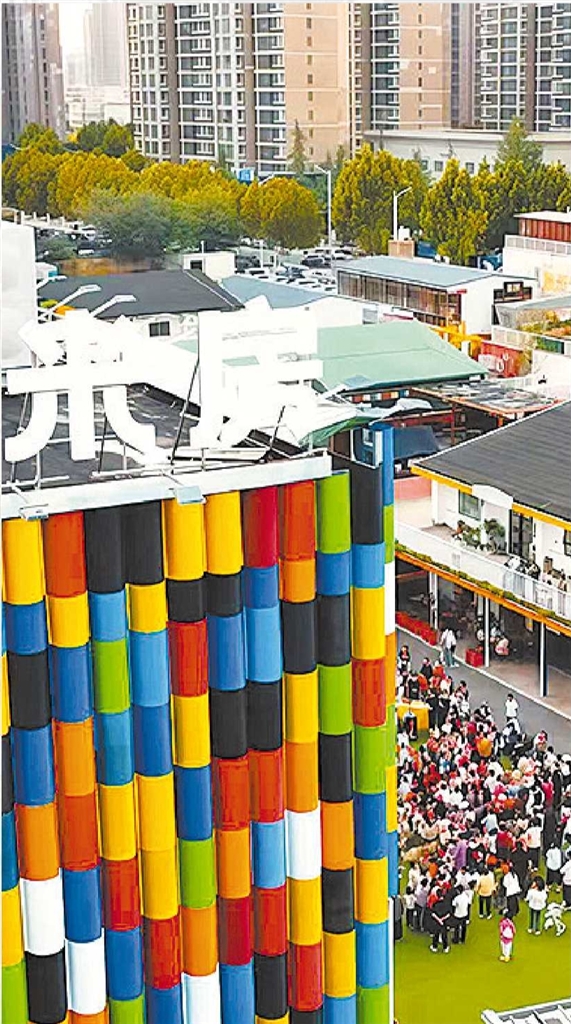
Core Insights - The article discusses the transformation of urban spaces in Zhengzhou, particularly focusing on the evolution of historical and industrial areas into vibrant cultural and commercial districts, reflecting a shift from mere expansion to qualitative urban renewal [1][10]. Group 1: Urban Development and Cultural Transformation - Zhengzhou has recognized 7 national-level and 40 provincial-level tourism and leisure districts, showcasing a significant investment in urban cultural spaces [1]. - The city is transitioning from "incremental expansion" to "quality improvement," with a focus on creating immersive experiences that meet the spiritual needs of residents [1][10]. - The revitalization of old industrial sites, such as the transformation of the Zhengzhou 0143 grain reserve into a trendy creative district, exemplifies this urban evolution [2][10]. Group 2: Industrial Heritage and Creative Spaces - The article highlights successful examples of industrial heritage revitalization across China, including the Beijing 798 Art District and Shanghai's EKA, which serve as models for Zhengzhou's transformation [3]. - The "磨街文创园" (Mojie Cultural and Creative Park) has become a hub for social interaction and commerce, attracting over 13,000 daily visitors by blending historical architecture with modern design [5][9]. - The preservation of historical buildings while integrating modern amenities is a key strategy in creating appealing urban spaces that resonate with younger demographics [10][12]. Group 3: Community Engagement and Experience Economy - The article emphasizes the importance of community-driven initiatives in urban renewal, where local designers and artists play a crucial role in shaping the cultural landscape [9][10]. - The transformation of traditional shopping areas into multi-functional spaces that cater to social and experiential needs reflects a broader trend in consumer behavior, moving from mere transactions to lifestyle experiences [12][14]. - Events and activities tailored to younger audiences are increasingly becoming a focal point for urban districts, enhancing their appeal and engagement [12][14]. Group 4: Historical Context and Future Directions - The integration of historical elements into modern urban design is seen as a way to maintain cultural continuity while fostering innovation [17][21]. - Projects like "亳都·新象" (Bodou New Image) illustrate how commercial spaces can thrive by embedding themselves within historical contexts, attracting significant foot traffic and enhancing local identity [21][22]. - The ongoing urban renewal efforts in Zhengzhou are characterized by a commitment to preserving historical narratives while adapting to contemporary needs, ensuring that the city's evolution is both respectful and forward-looking [25].
兴宁区:听民意聚民智 人大代表助力打造消费新场景
Sou Hu Cai Jing· 2025-08-26 01:57
Group 1 - The meeting aimed to enhance the integration of commerce, culture, and tourism in the historical cultural district of Nanning, focusing on the theme of "exploring new connotations of intangible cultural heritage and creating new consumption scenarios" [1] - Business representatives shared innovative ideas, such as the introduction of advanced AR projection technology and popular IPs like "Douluo Dalu" to attract younger consumers [1] - The discussion highlighted the emergence of new business models, particularly in the crystal economy, which resonates with the psychological needs of urban consumers [1] Group 2 - The Economic and Information Bureau expressed support for the innovative suggestions from businesses, emphasizing alignment with urban consumption upgrade trends [4] - Representatives from the People's Congress committed to collecting feedback from businesses and ensuring that reasonable suggestions are transformed into actionable measures [4] - The contact point for representatives serves as a crucial bridge between public opinion and district development, focusing on the dual themes of "historical culture protection and consumption scenario innovation" [4]

老街焕新颜 烟火见文明 “商居联盟”助力特色街区抢抓发展机遇
Zhen Jiang Ri Bao· 2025-08-22 23:38
Core Viewpoint - The establishment of the "Merchant-Resident Alliance" in the Shui Lu Si Xiang cultural commercial street aims to integrate community, merchants, and residents to enhance the area's cultural and commercial vitality, creating a vibrant and historically rich environment [1][2]. Group 1: Development Opportunities - The Shui Lu Si Xiang cultural commercial street includes over 1,400 households and 196 shops, blending traditional dining with modern cafes, showcasing a vibrant coexistence of tradition and modernity [2]. - The street is strategically located near the tallest building in Zhenjiang, Suning Plaza, and aims to capitalize on the "golden business circle" development opportunity by optimizing resources and services to convert foot traffic into loyal customers [2]. - Starting in the second half of 2024, the street will focus on cultural and commercial tourism integration, featuring wall murals and colorful pathways to enhance the area's appeal [2]. Group 2: Alliance Formation - The "Merchant-Resident Alliance" was officially launched with representatives from both merchants and residents, emphasizing collaboration to create a culturally rich commercial area [3]. - The first batch of representatives includes 24 merchants and 16 residents, who will work together to foster a community spirit and uphold values of responsibility and integrity [3]. - The alliance aims to weave a narrative of warmth and community engagement, with a focus on public welfare and collaborative development [3]. Group 3: Collaborative Efforts - Various local government departments witnessed the formation of the "Merchant-Resident Alliance" and pledged to provide policy support based on their respective functions [4]. - The alliance will implement a four-part operational mechanism focusing on demand discovery, collaborative discussion, resource integration, and community activities to ensure effective functioning [4]. - The initiative aims to enhance regional commercial vitality and promote the principles of integrity and collaborative development, encouraging more visitors to engage with the Shui Lu Si Xiang cultural commercial street [4].
海州“夜经济”澎湃城市活力
Xin Hua Ri Bao· 2025-06-21 23:17
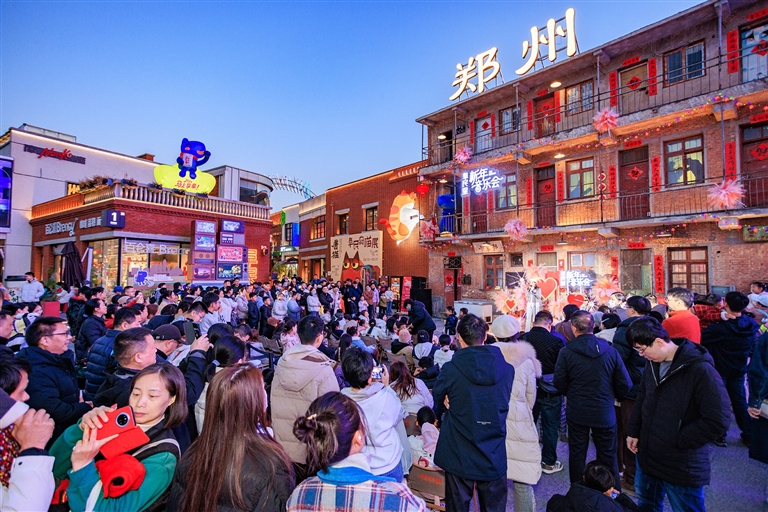
Core Viewpoint - The night economy in Lianyungang, particularly in the Haizhou District, is thriving, showcasing a blend of cultural activities and innovative business models that attract significant consumer engagement and employment opportunities [1][2][3] Group 1: Night Economy Development - The Haizhou District has successfully created a "street economy + night economy" model, leading to the establishment of 7 unique night markets and 8 brand night markets, generating an annual revenue of 2 billion yuan and creating over 10,000 jobs [1] - The "Old New Pu Historical Style Commercial Street" has been recognized as one of Jiangsu Province's 50 night consumption gathering areas, highlighting the area's cultural and economic significance [1] Group 2: Cultural and Entertainment Activities - Regular performances such as the "Journey to the West" themed shows and intangible cultural heritage markets have significantly increased daily foot traffic in the commercial areas [1] - The immersive light and shadow performance "Mirror Flower Dream" at the Shuanglongjing Scenic Area has maintained an over 90% attendance rate, with 65% of the audience being young viewers, establishing it as a cultural hotspot [2] Group 3: Innovation in Business Models - New business formats are emerging, including creative markets and themed performances, which enhance consumer experiences and diversify the night economy [3] - The Haizhou District is focusing on quality and digital transformation in the night economy, aiming to create more unique consumption scenarios to meet the diverse needs of consumers [3]
紫金·钟爱里骑行主题街区启幕 打造南京城市商业新地标
Yang Zi Wan Bao Wang· 2025-05-17 07:42
Core Viewpoint - The opening of Nanjing's first cycling-themed non-standard commercial street, "Zijin. Zhongai Li," aims to revitalize urban commerce by integrating sports, culture, and leisure, attracting cycling enthusiasts and citizens alike [1][4]. Group 1: Event Highlights - The opening ceremony featured a cycling event, the "Ring Nanjing Urban Circle Cycling Race," with over 600 participants, including world champion Ren Chengyuan [4][6]. - The racecourse spanned over 20 kilometers, connecting cultural landmarks such as Ming Xiaoling, Sun Yat-sen Mausoleum, and Xuanwu Lake, providing both challenges and scenic views for participants [6]. Group 2: Commercial Offerings - The street focuses on a "cycling+" model, introducing seven flagship stores, including LAVELO GO and Lightning Bicycle, making it one of the most comprehensive cycling-themed areas in Nanjing [9][13]. - The area features a variety of cycling products, including mountain bikes, road bikes, and electric-assisted bicycles, catering to diverse consumer preferences [9][15]. Group 3: Community Engagement - The opening period included a "Zhongai Sports Market" with over 60 brands, offering cycling gear, cultural products, and local delicacies, alongside live performances and interactive activities [18]. - Future events will include a "Dog Sports Day" in collaboration with Kona Pets, promoting responsible pet ownership while engaging the community [20]. Group 4: Environmental Focus - The project emphasizes green travel and cycling culture, with a design philosophy centered on ecological sustainability and user-friendly features, such as step-free pathways and smart navigation [21][23]. - The initiative aims to position "Zijin. Zhongai Li" not just as a commercial space but as a proponent of a new urban lifestyle, planning regular cycling salons and community events [21][23].