科技耐用消费品

Search documents
尼尔森IQ:2026年中国消费新图景报告
Sou Hu Cai Jing· 2025-11-25 13:10
Core Insights - The report highlights the steady progress of China's economy, emphasizing the increasing role of consumption in driving GDP growth, supported by various government policies [1][5][6] - The analysis outlines the overall performance of the consumer market, consumer sentiment, core consumption demands, and generational consumption characteristics, providing a clear picture of the Chinese consumer market by 2026 [1] Consumer Market Performance - Consumption's contribution to GDP is on the rise, with retail sales across all channels continuing to grow; durable goods saw a growth rate of 12.5%, significantly higher than the 4.7% for fast-moving consumer goods [1] - Despite a generally optimistic perception of personal financial situations, 40% of consumers remain cautious in their spending [6][7] Consumer Sentiment and Concerns - Consumers' primary concerns revolve around economic downturns and their own and their families' welfare and happiness, with health issues also ranking high among worries [9][10] - The perception of financial status has improved, with 50% of consumers feeling their financial situation is better than last year, and 41% expecting it to improve further [7][8] Consumption Demands and Trends - Key consumer demands are characterized by a focus on product safety and quality, with 81% prioritizing these factors; consumers are willing to pay more for health-beneficial and convenient products [1][10] - There is a noticeable decline in reliance on price promotions, with more consumers preferring to shop during brand sales or at discount stores [10] Generational Consumption Characteristics - The Baby Boomer generation, despite being 19.9% of the population, shows strong consumption willingness, with 70% eager to spend on health and high-end products [2] - Generation X, making up 31.0% of consumers, tends to be more pragmatic, with 37% adopting a cautious spending approach, favoring local brands and health-oriented products [2] - Millennials are financially capable and willing to spend, with 70% favoring products with transparent ingredients and valuing sustainability [2] - Generation Z, accounting for 23.3% of the population, focuses on community identity and is less influenced by celebrity endorsements, with a significant market for niche cultural products expected to exceed 200 billion [2] Market Development Trends - The overall trend in the Chinese consumer market is moving towards quality, personalization, and community-oriented consumption, necessitating brands to align their value propositions with the diverse needs of different generations [2]


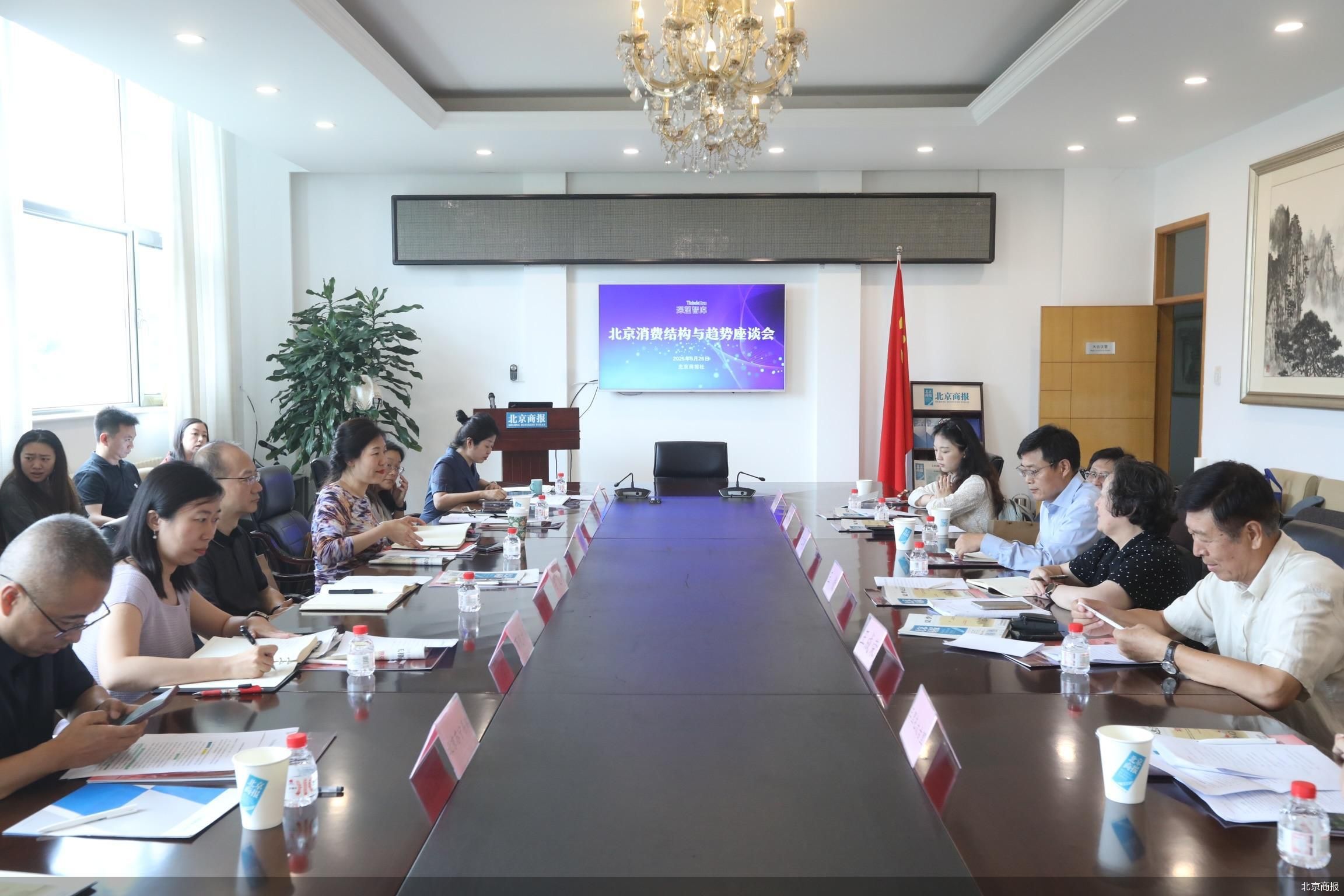
北京消费结构与趋势|“服务+体验+情感共鸣” 北京消费迈入第五时代
Bei Jing Shang Bao· 2025-07-14 14:12
Core Insights - Beijing's consumption has entered its fifth era, focusing on spiritual satisfaction, emotional resonance, and social value creation [1][3] - The "Action Plan" aims for an average annual growth of around 5% in total market consumption by 2030, with 24 policy measures to boost consumption [3][4] Consumption Trends - Service consumption is growing, particularly in information services and cultural entertainment, with a 4.9% increase [4] - The shift from product-oriented consumption to service-oriented consumption is evident, with a forecast that service consumption will account for 47% of total consumption by 2024 [4][5] - The Z generation is becoming the main consumer group, driving emotional consumption trends and a preference for domestic brands [6][7] Market Dynamics - The consumption landscape is evolving from standardized supply to precise demand matching, with a notable rise in outdoor and lifestyle brands [6][7] - The market is experiencing a transformation towards a composite model of "service + experience + technology," indicating a shift in consumer preferences [7][8] Technological Impact - Technology is becoming a core driver of high-quality development, with the durable consumer goods market expected to reach 24 trillion yuan in 2024, growing by 5% [8] - The integration of traditional cultural elements with modern design is enhancing brand value and local cultural identity [9] Policy and Economic Context - The "Action Plan" outlines a vision for Beijing to become an international consumption center, emphasizing the need for proactive consumption creation [9][3] - The focus on optimizing indicators, innovating scenarios, and supporting policies is crucial for uncovering the dual potential of rational and emotional value in consumption [3][4]