
空间站巡天空间望远镜

Search documents
“数”说2025年中国空间站科学实验 “全”释硬科技支撑中国航天迈向更远宇宙
Yang Shi Wang· 2026-01-07 09:27
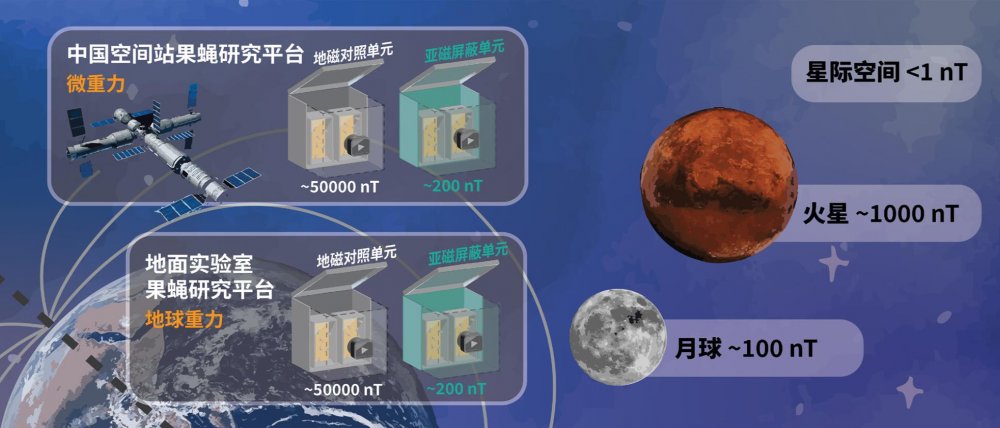
Core Viewpoint - The progress of China's space station in 2025 is significant, with advancements in various scientific fields, providing essential support for core scientific missions [1]. Group 1: Scientific and Application Projects - In 2025, the space application system implemented 31 new scientific and application projects in orbit, with approximately 867.5 kilograms of scientific materials sent up and 83.92 kilograms of space science experiment samples returned, resulting in over 150TB of scientific data [3]. - The scientific teams across various fields produced a series of original, cutting-edge, and innovative advancements, resulting in over 50 authorized patents [3]. Group 2: Life Sciences and Experiments - China successfully conducted its first mouse space science experiment aboard the space station, establishing a comprehensive life support and experimental technology system for small mammals, which is crucial for future studies on the effects of space environments on mammals [5]. - The first international study on the behavior and genetic changes of animals in a combined microgravity and sub-magnetic space environment was conducted, laying the scientific groundwork for life health assurance in deep space exploration [6]. Group 3: Technological Research - Research on lithium-ion battery electrochemical optical in-situ studies was conducted aboard the space station, which is expected to advance the fundamental theory of electrochemistry and provide a basis for optimizing current battery systems and designing the next generation of high-energy, high-safety space batteries [7]. Group 4: Future Plans - The space application system plans to launch two flagship astronomical facilities, including a space station survey telescope for significant discoveries in cosmology and a high-energy cosmic radiation detection facility to enhance understanding of dark matter and cosmic ray origins [9].

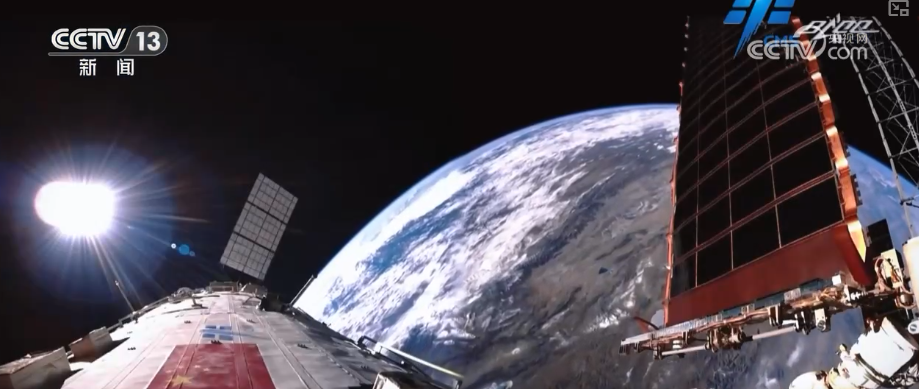
中国空间站2025“成绩单” 出炉:31个新项目+150TB数据+50项专利
Yang Shi Xin Wen Ke Hu Duan· 2026-01-07 05:03
Group 1 - The core scientific tasks of China's space station are progressing well, with a total of 31 new scientific and application projects implemented in orbit by 2025, involving approximately 867.5 kilograms of scientific materials sent up and 83.92 kilograms of scientific samples returned [1] - Over 150TB of scientific data has been collected, leading to the production of over 50 patents across various scientific fields [1] - The successful execution of the first mouse space science experiment marks a significant advancement in the life sciences sector, establishing a comprehensive life support and experimental technology system for small mammals in space [1] Group 2 - The international initiative to study the combined effects of sub-magnetic and microgravity environments on biological systems has revealed behavioral and genetic changes in animals, laying the groundwork for life health assurance in deep space exploration [2] - A lithium-ion battery electrochemical optical in-situ research project is being conducted aboard the space station, which is expected to advance electrochemical theory and optimize current battery systems in orbit [2] - Future plans include launching two flagship astronomical facilities: a space station survey telescope for significant discoveries in cosmology and a high-energy cosmic radiation detection facility to explore dark matter and cosmic ray origins [2]
新增31个科学与应用项目 2025年中国空间站成果“上新”
Yang Shi Xin Wen· 2026-01-06 23:17
Core Insights - The progress of China's space station in 2025 includes successful implementation of scientific and application projects across various fields, providing critical support for core scientific missions [1] Group 1: Scientific Achievements - In 2025, the space application system implemented 31 new scientific and application projects, with approximately 867.5 kilograms of scientific materials sent to orbit and 83.92 kilograms of space science experiment samples returned [1] - Over 150TB of scientific data was obtained, leading to the production of over 50 authorized patents by various scientific teams [1] Group 2: Life Sciences Research - China successfully conducted its first mouse space science experiment aboard the space station, establishing a comprehensive life support and experimental technology system for small mammal experiments in space [1] - This research lays a significant foundation for future studies on the effects of space environments on mammals [1] Group 3: International Research Initiatives - The first international study on the combined effects of sub-magnetic and microgravity environments on biological systems was conducted, revealing behavioral and genetic changes in animals [1] - This research provides a scientific basis for ensuring life health in deep space exploration [1] Group 4: Future Projects - The space station will also conduct in-situ research on lithium-ion battery electrochemical optics, which is expected to advance electrochemical theory and optimize current battery systems [2] - Two flagship astronomical facilities are planned for future launches, including a space telescope for significant discoveries in cosmology and a high-energy cosmic radiation detection facility [3]