
电化学基础理论

Search documents
中国空间站开展锂离子电池在轨实验
中关村储能产业技术联盟· 2026-01-08 02:41
Group 1 - The project "In-situ Electrochemical Optical Research of Lithium-ion Batteries for Space Applications" has been initiated aboard the Chinese space station, with astronauts from the Shenzhou 21 mission conducting experiments [2] - Lithium-ion batteries are considered the "energy heart" of modern space missions due to their high energy density, long cycle life, and safety reliability [4] - The research focuses on the distribution of chemical substances within the electrolyte, which is a core factor determining battery power and lifespan [4] Group 2 - The unique microgravity environment of space allows for a clearer study of the internal processes of batteries, such as ion transport and insertion/extraction, which are difficult to isolate on Earth due to the intertwining of gravitational and electric fields [4] - The project aims to observe and analyze the impact of microgravity on key processes within the battery, providing scientific evidence to enhance the efficiency of spacecraft energy systems [5] - The experiment involves in-situ optical observation of lithium-ion batteries under microgravity, capturing the entire growth process of lithium dendrites and ensuring precise execution and monitoring of the experiments [4][5] Group 3 - The advancement of this experiment is expected to break through the cognitive bottleneck of the coupling effects between gravitational and electric fields, further developing electrochemical fundamental theories [5] - The findings will provide a basis for optimizing current on-orbit battery systems and designing the next generation of high-energy, high-safety space batteries [5]

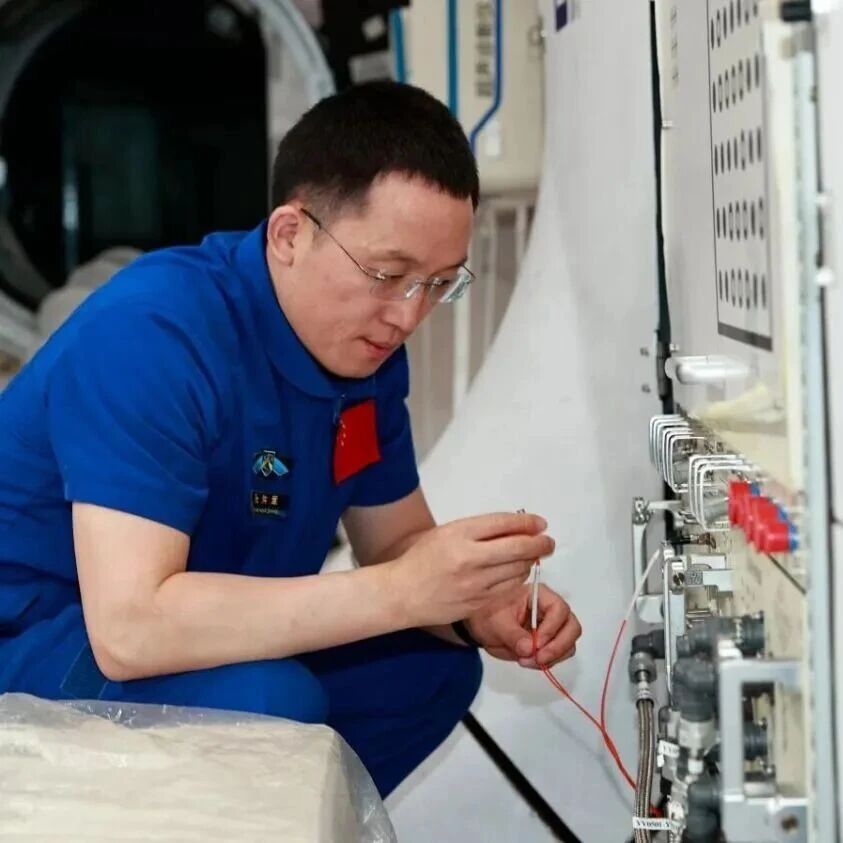
中国空间站成功开展锂离子电池在轨实验
Ke Ji Ri Bao· 2026-01-07 05:08
Core Viewpoint - The successful in-orbit experiment of lithium-ion batteries on the Chinese space station aims to observe and analyze the effects of microgravity on key internal processes of the batteries, providing scientific basis for enhancing spacecraft energy systems [1][2]. Group 1: Experiment Overview - The experiment was conducted by the Shenzhou 21 astronaut crew, with researcher Zhang Hongzhang from the Dalian Institute of Chemical Physics playing a key role as a payload expert [1]. - Lithium-ion batteries are described as the "energy heart" of modern space missions, known for their high energy density, long cycle life, and safety [1]. Group 2: Microgravity Environment - The microgravity environment allows scientists to observe the internal movement of ions and reactions of electrode materials more clearly, overcoming challenges faced in ground experiments where gravity interferes with electric fields [2]. - However, the microgravity environment also presents new challenges, such as significant differences in liquid behavior within the battery, which may lead to decreased performance and increased safety risks [2]. Group 3: Scientific Advancements - The in-situ optical observation of lithium-ion batteries in microgravity recorded dynamic images of lithium dendrite growth and involved precise adjustments in electrochemical experiments, process control, and monitoring of key scientific phenomena [2]. - This experiment is expected to break through the cognitive bottleneck of the coupling effects between gravitational and electric fields, advancing the fundamental theory of electrochemistry and providing a basis for optimizing current in-orbit battery systems and designing next-generation high-energy, high-safety space batteries [2].
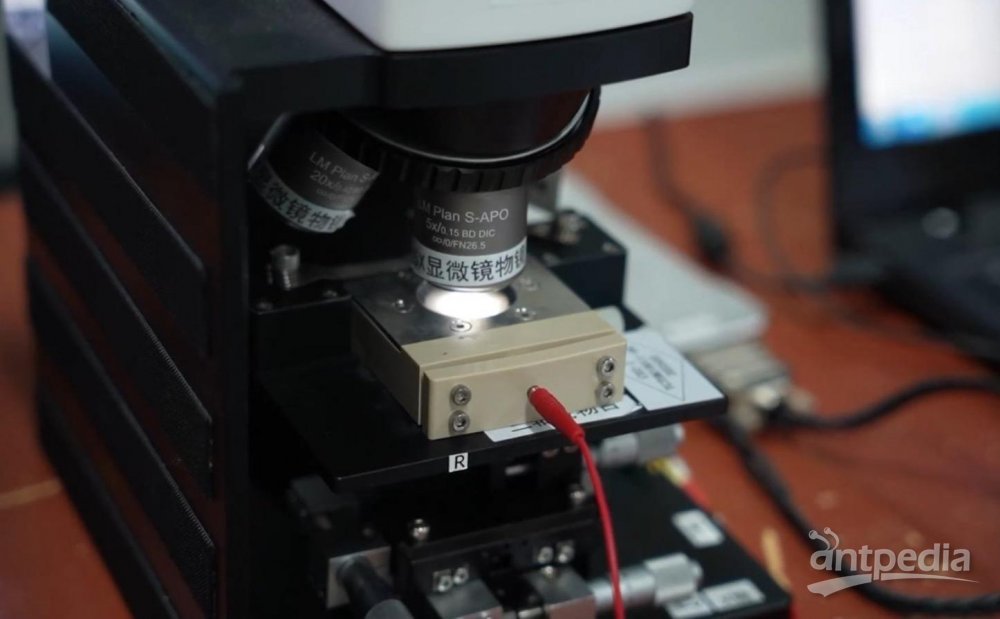
中国空间站2025“成绩单” 出炉:31个新项目+150TB数据+50项专利
Yang Shi Xin Wen Ke Hu Duan· 2026-01-07 05:03
Group 1 - The core scientific tasks of China's space station are progressing well, with a total of 31 new scientific and application projects implemented in orbit by 2025, involving approximately 867.5 kilograms of scientific materials sent up and 83.92 kilograms of scientific samples returned [1] - Over 150TB of scientific data has been collected, leading to the production of over 50 patents across various scientific fields [1] - The successful execution of the first mouse space science experiment marks a significant advancement in the life sciences sector, establishing a comprehensive life support and experimental technology system for small mammals in space [1] Group 2 - The international initiative to study the combined effects of sub-magnetic and microgravity environments on biological systems has revealed behavioral and genetic changes in animals, laying the groundwork for life health assurance in deep space exploration [2] - A lithium-ion battery electrochemical optical in-situ research project is being conducted aboard the space station, which is expected to advance electrochemical theory and optimize current battery systems in orbit [2] - Future plans include launching two flagship astronomical facilities: a space station survey telescope for significant discoveries in cosmology and a high-energy cosmic radiation detection facility to explore dark matter and cosmic ray origins [2]
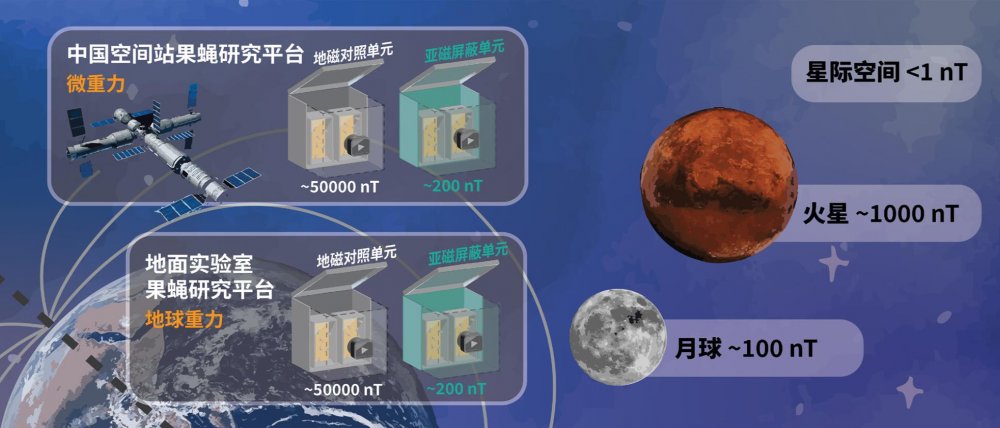
【央广网】中国空间站开展锂离子电池在轨实验
Yang Guang Wang· 2026-01-07 03:32
Core Insights - The project "In-situ Electrochemical Optical Research of Lithium-ion Batteries for Space Applications" has commenced aboard the space station, with astronauts from the Shenzhou 21 mission conducting experiments [1] - Lithium-ion batteries are crucial for modern space missions due to their high energy density, long cycle life, and safety [1] - The research aims to understand the impact of microgravity on battery performance, particularly the distribution of chemical substances in the electrolyte, which is critical for battery power and lifespan [1] Group 1 - The unique microgravity environment of space allows for a clearer study of ion transport and insertion/extraction processes within batteries, overcoming limitations faced in ground experiments [1] - However, microgravity also presents challenges, such as significant differences in liquid behavior within the battery, which may lead to decreased performance and increased safety risks [1] - The project aims to provide scientific evidence to enhance the efficiency of energy systems in spacecraft by directly observing the effects of microgravity on key internal processes of batteries [1] Group 2 - The load expert conducted in-situ optical observation experiments of lithium-ion batteries in microgravity, capturing the entire growth process of lithium dendrites and performing precise electrochemical experiments [2] - The subjective initiative of the load expert is crucial for discovering new phenomena and achieving significant results in the project [2] - The advancement of this lithium-ion battery experiment is expected to break through the cognitive bottleneck of the interaction between gravitational and electric fields, further developing electrochemical theory and providing a basis for optimizing current battery systems in orbit and designing next-generation high-energy, high-safety space batteries [2]