第三代星链卫星

Search documents
马斯克为何频频“点赞”中国?专家解读
Huan Qiu Shi Bao· 2026-02-01 22:47
Core Insights - Elon Musk has recently expressed admiration for China's achievements in economic development, electric infrastructure, and humanoid robotics, indicating recognition of China's advancements in these areas [1][3] - Musk's comments may also reflect deeper implications in the context of US-China technological competition, suggesting a strategic positioning for his business interests [1][4] Group 1: Economic Contributions - Musk highlighted that China is projected to contribute 26.6% to global economic growth by 2026, ranking first, while the US is only expected to contribute 9.9% [3] - He noted that China's solar energy capacity stands at 1,500 GW per year, significantly surpassing the US's capacity [3] Group 2: Energy and Infrastructure - Musk emphasized the rapid growth of China's electric vehicle and solar energy sectors, which are expected to reduce reliance on oil and natural gas [3] - He shared insights that by 2025, China's electricity generation will be more than double that of the US, with solar energy being the largest contributor to this growth [3] Group 3: Strategic Implications - Experts suggest that Musk's public endorsements may serve to pressure US policymakers to enhance domestic electric infrastructure and renewable energy development [4] - The dual nature of Musk's comments reflects both political and commercial interests, aiming to avoid strategic misjudgments in the US while advancing his business strategy [4]


31亿美元,卫星互联网重磅收购案落地,产业格局加速洗牌
3 6 Ke· 2025-07-18 11:16
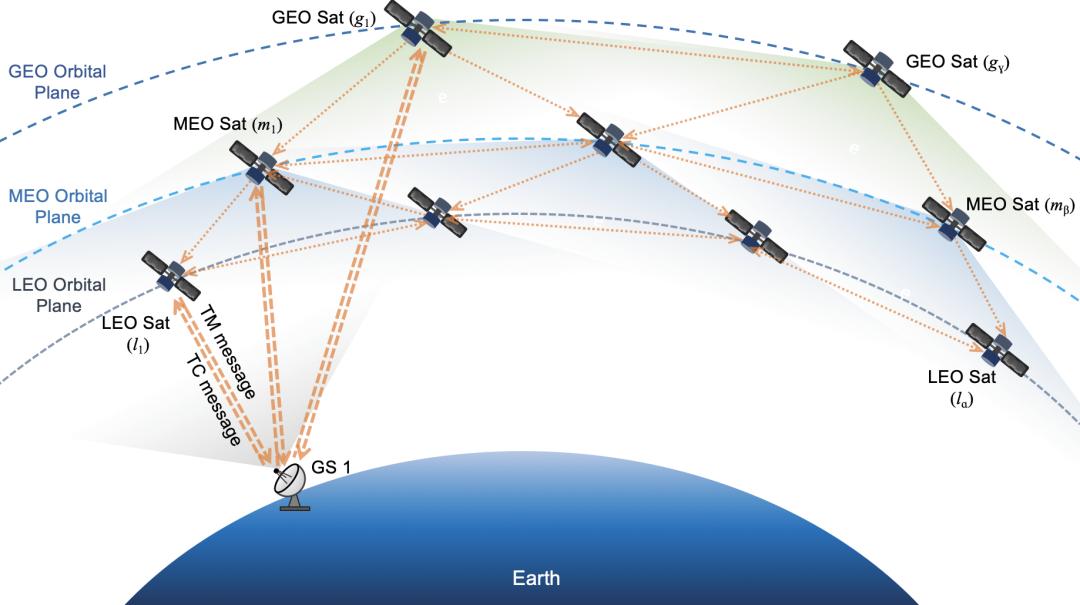
Core Viewpoint - The approval of the SES-Intelsat merger by the FCC marks a significant consolidation in the satellite industry, creating a leading global satellite operator with enhanced capabilities and a larger satellite fleet, which is expected to reshape the market landscape [1][4]. Group 1: Merger Details - The FCC has approved SES's acquisition of Intelsat for $3.1 billion, following the EU's unconditional approval [1]. - The merger results in a combined satellite fleet of 120 satellites, enhancing SES's operational capabilities and market position [1]. - The new entity will generate approximately 60% of its revenue from high-growth sectors, indicating a strategic focus on expanding into lucrative markets [1]. Group 2: Financial Implications - SES's projected annual revenue post-merger is estimated to reach €3.7 billion, with a compound annual growth rate (CAGR) expected to be in the low to mid-single digits from 2024 to 2028 [3]. - The adjusted EBITDA is forecasted to be €1.8 billion, with plans to achieve over €1 billion in adjusted free cash flow by 2027-2028 [3]. - The merger is supported by a contract backlog exceeding €8 billion, providing clear visibility for future revenue [3]. Group 3: Industry Context - Traditional satellite operators like Intelsat face increasing competition from emerging satellite startups and technologies, particularly from low Earth orbit (LEO) providers like Starlink [2][4]. - The demand for satellite content distribution services is declining due to the rise of terrestrial fiber networks and streaming services [4]. - The merger is seen as a strategic move to consolidate resources and enhance competitiveness against new satellite internet giants [4]. Group 4: Technological Advancements - The combined company will leverage a multi-orbit satellite strategy, integrating capabilities from GEO, MEO, and LEO satellites to provide flexible and diverse connectivity solutions [5][6]. - SES is a key proponent of multi-orbit and hybrid connectivity strategies, aiming to meet various use cases, including IoT and satellite direct communication [6][8]. - The merger will enable SES to invest in new network capacity and technologies, with planned annual capital expenditures of €600 to €650 million from 2025 to 2028 [8]. Group 5: Future Challenges - Concerns exist regarding the merged entity's dominance in the U.S. C-band video programming distribution, although alternative transmission methods are anticipated to become more prevalent [9][10]. - The FCC has noted that SES and Intelsat control over 95% of the U.S. C-band video programming transmission, but other viable alternatives are expected to emerge [9]. - The merger is positioned as a means to enhance competitiveness against LEO operators, which are projected to dominate certain service revenues by 2032 [10].