第八代经典五粮液

Search documents
从“卖产品”到“卖文化”:营销变革下酒企出海新征程
Bei Jing Ri Bao Ke Hu Duan· 2025-12-25 16:28
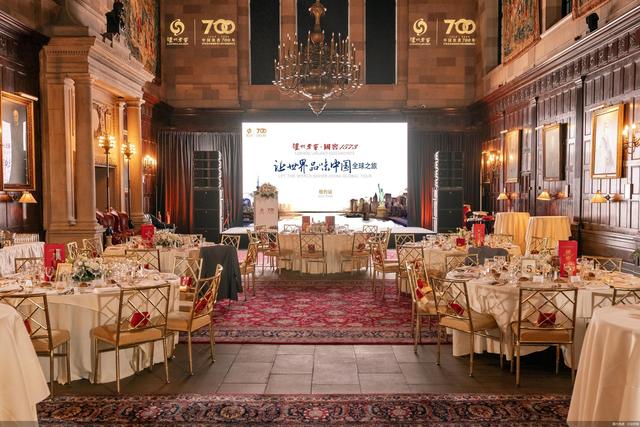
Core Viewpoint - The Chinese liquor industry is increasingly focusing on international markets as domestic competition intensifies, with a significant number of companies expanding overseas to seek new growth opportunities [1][7]. Group 1: Market Expansion Strategies - A report indicates that by 2025, 63.9% of Chinese liquor companies will have established or are in the process of expanding into international markets, highlighting a collective shift towards seeking new growth avenues [1]. - Companies like Moutai and Wuliangye are launching products specifically designed for overseas markets, while others are exporting established domestic bestsellers [3][4]. - The export of Chinese liquor is experiencing a "volume and price increase," with total exports reaching $704 million in the first three quarters of the year, a 5.3% year-on-year increase [7]. Group 2: Cultural Integration - The industry recognizes that successful internationalization involves not just product export but also cultural integration, with many companies engaging in cultural activities to tell the story of Chinese liquor [5][6]. - Events like "He Mei Global Tour" by Wuliangye and "Chinese Banquet" by Yanghe are examples of how companies are using cultural narratives to enhance their international presence [5]. Group 3: Challenges and Opportunities - Despite the enthusiasm for international expansion, challenges remain, such as the need to adapt products to local tastes and cultural preferences, particularly in regions with significant Chinese populations like Southeast Asia [8][9]. - The industry is still in the early stages of internationalization, primarily serving Chinese consumers abroad, and must develop strategies to engage with local markets more effectively [8][9].

从“卖产品”到“卖文化” 酒企出海新征程
Bei Jing Shang Bao· 2025-12-25 13:52
Core Viewpoint - The Chinese liquor industry is increasingly focusing on international markets as domestic competition intensifies, with a significant number of companies expanding overseas to seek new growth opportunities [1][8]. Group 1: Market Expansion - As of December 25, 2023, 63.9% of Chinese liquor companies are either expanding or have already established a presence in overseas markets, indicating a collective shift towards internationalization [1]. - Major brands like Moutai, Wuliangye, and Luzhou Laojiao are actively entering global markets, while Huangjiu brands such as Guyue Longshan and Kuaijishan are also leveraging traditional culture alongside their products [1][3]. Group 2: Product Strategy - Companies are adopting two distinct strategies for internationalization: "cultural integration" with tailored products for foreign markets, and "value output" by exporting established domestic products [3]. - Moutai has launched a series of products specifically designed for international markets, while other brands like Luzhou Laojiao and Wuliangye are exporting their star products that have already gained traction in China [3][4]. Group 3: Cultural Integration - The cultural aspect of product export is becoming increasingly important, with companies recognizing that successful internationalization involves not just product sales but also cultural storytelling [6]. - Initiatives such as Wuliangye's "He Mei Global Tour" and various cultural exchange activities by other brands aim to promote Chinese liquor culture globally [6][7]. Group 4: Market Challenges - Despite the enthusiasm for international expansion, challenges remain, including the need for localization and the predominance of Chinese consumers in overseas markets [8][9]. - The Southeast Asian market is currently the primary focus for many companies, supported by a significant Chinese diaspora, but broader acceptance among local consumers is still a hurdle [8][9]. Group 5: Future Directions - To penetrate mainstream overseas markets, companies must innovate and adapt their products to local tastes, particularly through the integration of liquor with Chinese cuisine [9].