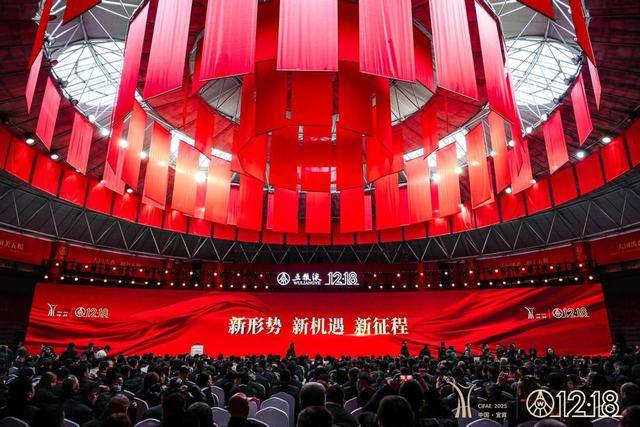
29°五粮液·一见倾心

Search documents
“无界展台”刷屏糖酒会 五粮液用一场“和美”盛宴玩出品牌新高度
阿尔法工场研究院· 2026-03-31 11:18
Core Viewpoint - The article highlights the innovative strategies and product offerings of Wuliangye at the 114th National Sugar and Wine Products Fair, showcasing its commitment to blending tradition with modernity and targeting younger consumers through unique experiences and collaborations [2][14][20]. Group 1: Exhibition Highlights - Wuliangye presented a "boundaryless exhibition" design that integrates visual attraction, cultural transmission, and business negotiation, transforming the booth into an interactive space for deep brand engagement [5][6]. - The exhibition featured a "Water and Sky Brewing" installation that created an immersive experience, allowing visitors to interact with the brand's philosophy [6][9]. - The "29° Wuliangye - One Glance in Love" area attracted significant attention from younger consumers, showcasing a romantic design and offering cocktail tastings that received positive feedback [6][10]. Group 2: Cultural and Historical Presentation - The booth's design was inspired by ancient Chinese artifacts, symbolizing cultural connection and the brand's commitment to tradition [9][10]. - An interactive area displayed the evolution of Wuliangye products from the first to the eighth generation, allowing visitors to engage with the brand's history through multimedia presentations [10][11]. - The "Craftsmanship" section highlighted the stories behind the zodiac-themed products, emphasizing the brand's cultural significance and product strength [10][11]. Group 3: Product Innovation and Market Strategy - Wuliangye introduced three strategic products tailored for the dining channel, aligning with trends in light drinking, new beverages, and health-conscious consumption [14][20]. - The collaboration with FIFA for the 2026 World Cup showcased Wuliangye's strategy to merge sports culture with traditional Chinese liquor, enhancing its global appeal [14][18]. - The company aims to capture significant market segments by focusing on product innovation and expanding consumer engagement through interactive experiences [14][20]. Group 4: Recognition and Future Outlook - Wuliangye received the "Global Fashion Award" at the 2026 China Duty Free Group Global Partner Conference, affirming its international influence and innovative approach [18][20]. - The company is building a collaborative ecosystem with various industry partners, aiming for a comprehensive strategy that supports its growth in the global market [20]. - Wuliangye's future plans include a focus on product innovation, targeting key market segments, and promoting Chinese liquor on a broader international stage [20].


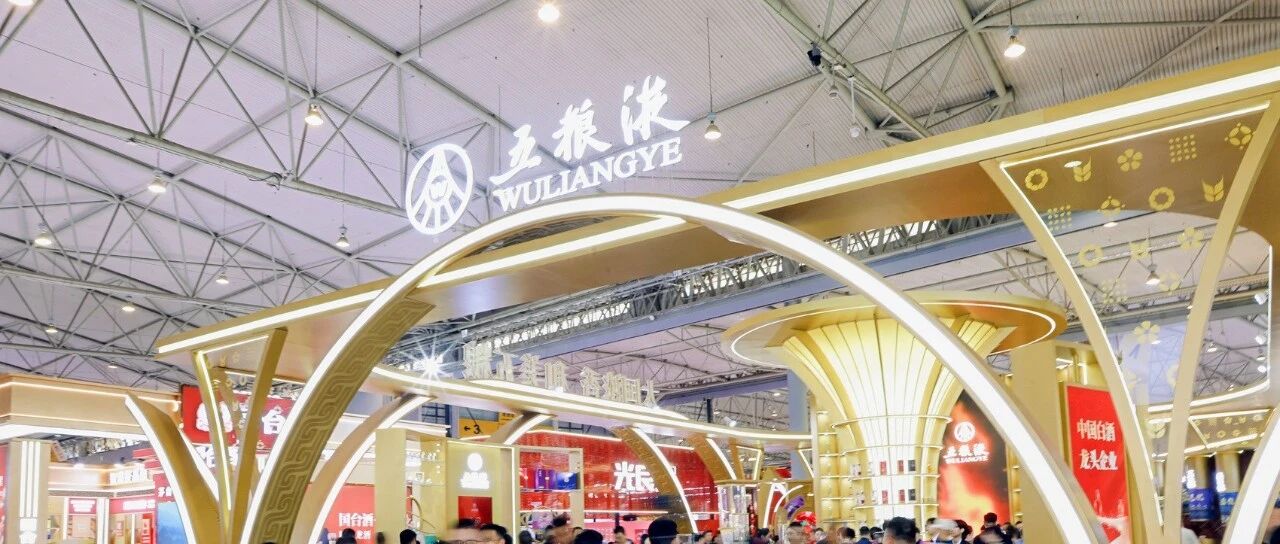
五粮液融入四川发展大局 奋力开创高质量发展新局面
Si Chuan Ri Bao· 2026-02-05 21:47
Core Viewpoint - The article highlights the strategic initiatives and marketing efforts of Wuliangye Group to enhance its brand presence and drive high-quality development in the Chinese liquor market, particularly through innovative consumer engagement and cultural integration [5][6]. Group 1: Marketing and Consumer Engagement - Wuliangye Group launched a comprehensive marketing campaign named "Yuan Chun He Mei," featuring nationwide events and promotions to engage consumers and shareholders [5]. - The company partnered with the CCTV Spring Festival Gala for the fourth consecutive year, offering over 100 million yuan in online giveaways to promote its brand [5]. - The establishment of the Wuliangye 501 Ancient Cellar as a cultural tourism destination has attracted nearly 300,000 visitors during major holidays, showcasing the integration of liquor culture with tourism [5][6]. Group 2: Economic Contribution and Industry Leadership - Wuliangye Group is positioned as a leader in the trillion-yuan liquor market, actively contributing to local economic growth and the development of related industries such as food and textile manufacturing [5][6]. - The company has paid over 160 billion yuan in taxes during the 14th Five-Year Plan period, reinforcing its role as a pillar of local economic development [6]. - Wuliangye's brand value increased by 71.86% compared to the end of the 13th Five-Year Plan, ranking it among the top in various national and global brand assessments [6]. Group 3: Innovation and Sustainability - Wuliangye Group has achieved significant recognition in quality management, including the EFQM Global Award and multiple national certifications for lean management [6]. - The company is committed to green development, aiming for a "zero-carbon" status and improving its ESG rating through comprehensive green transformations [6]. - Wuliangye's investment in advanced manufacturing, particularly through its subsidiary Sichuan Push Ningjiang Machine Tool Co., has led to breakthroughs in high-end machine tool technology, enhancing China's competitiveness in this sector [6].
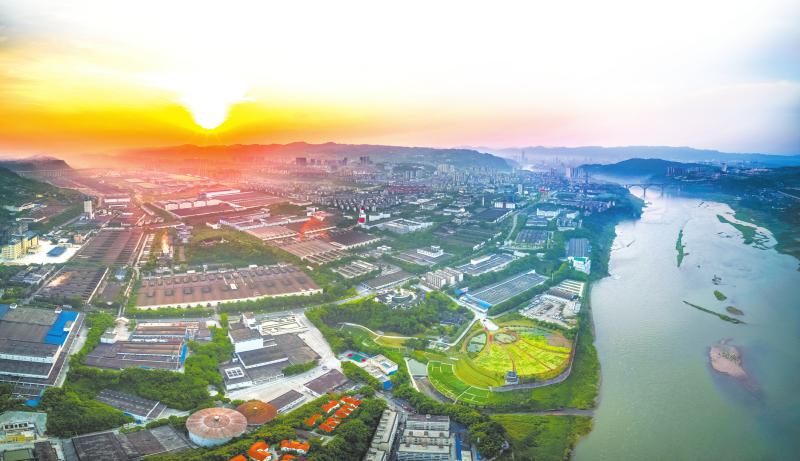
五粮液:明确产品结构主线,强化营销变革-20260204
Dongxing Securities· 2026-02-04 10:25
Investment Rating - The investment rating for Wuliangye (000858.SZ) is not explicitly stated in the provided documents, but the company is expected to maintain a solid market position with a focus on brand value and marketing innovation [2][3]. Core Insights - Wuliangye has positioned 2026 as the "Year of Marketing Innovation," focusing on enhancing brand value, marketing transformation, market strategies, and execution capabilities to improve market share [1]. - The company aims to expand its channel network, with plans to add 100 specialty stores and optimize existing ones, maintaining around 1,700 stores, while also enhancing e-commerce partnerships with major platforms [1]. - Wuliangye is developing a product structure centered around its core brand, with a focus on high-end products and new growth points, aiming to create billion-level products [2]. Financial Performance Forecast - For 2026, Wuliangye is projected to achieve a sales revenue of 78.84 billion yuan, representing a year-on-year growth of 1.48%, and a net profit of 27.07 billion yuan, with a growth of 1.91% [3]. - The earnings per share (EPS) for 2026 is estimated at 6.97 yuan, with a price-to-earnings (PE) ratio of 16.7 times [2][3]. - The company’s net profit margin is expected to be around 35.78% in 2026, with a return on equity (ROE) of 20.31% [3].
五粮液(000858):明确产品结构主线,强化营销变革
Dongxing Securities· 2026-02-04 09:25
Investment Rating - The investment rating for Wuliangye (000858.SZ) is not explicitly stated in the provided documents, but the company is expected to maintain a solid market position with a focus on brand value and marketing innovation [2][3]. Core Insights - Wuliangye has positioned 2026 as the "Year of Marketing Innovation," focusing on enhancing brand value, marketing transformation, market strategies, and execution capabilities to improve market share [1]. - The company aims to expand its channel network, with plans to add 100 specialty stores and optimize existing ones, maintaining around 1,700 stores in total [1]. - Wuliangye is developing a product structure centered around its core brand, with a focus on high-end products and new growth points, targeting significant revenue contributions from key products [2]. Financial Performance Summary - For 2026, Wuliangye is projected to achieve a sales revenue of approximately 78.84 billion yuan, reflecting a year-on-year growth of 1.48%, while the net profit attributable to shareholders is expected to reach about 27.07 billion yuan, with a growth of 1.91% [3]. - The earnings per share (EPS) for 2026 is estimated at 6.97 yuan, with a price-to-earnings (PE) ratio of 16.7 times [2][3]. - The company’s revenue growth rates are forecasted to be 12.58% for 2023, 7.09% for 2024, -12.88% for 2025, and 1.48% for 2026 [3]. Product Strategy Summary - Wuliangye is constructing a product system characterized by "one core, two engines, two drivers, and one new," with the eighth generation of Wuliangye as the core product [2]. - The company aims to establish several strategic products with significant revenue potential, including the classic series and ultra-high-end offerings [2].
五粮液:顶级“美酒+美食”融入世界餐桌 引领中国白酒全球化新进程
Feng Huang Wang Cai Jing· 2026-01-19 09:17
Core Insights - The collaboration between Wuliangye and the Michelin Guide marks a significant step in the internationalization of Chinese baijiu, positioning it as a high-end beverage that can complement global cuisine [2][3][7] - Wuliangye's presence in over 18 cities worldwide through Michelin events is reshaping perceptions of Chinese baijiu, transforming it from a cultural symbol to a recognized term in global culinary language [2][3][6] Group 1: Global Expansion and Brand Positioning - Wuliangye has become the only global partner of the Michelin Guide, initiating a journey that showcases Chinese baijiu in high-end dining settings across major cities like Tokyo, Singapore, and Paris [2][3] - The brand's strategy includes establishing "Wuliangye Grand Restaurants" in key markets, which serve as experiential hubs that integrate the brand into daily life and culture [3][4] - The Michelin series events have directly engaged approximately 25,000 high-end guests and industry leaders, creating a deep connection between sensory experiences and emotional engagement [7][8] Group 2: Culinary Innovation and Cultural Integration - Michelin chefs are increasingly incorporating Wuliangye into their dishes, highlighting its unique flavor profile that enhances the taste of various cuisines, thus elevating the beverage's status [2][3][6] - The introduction of innovative dishes, such as those created by Chef Yamamoto in Tokyo, showcases the versatility of Wuliangye, blending it with local ingredients to create harmonious flavor experiences [2][3] - Wuliangye's approach to integrating its products into diverse culinary contexts reflects a broader cultural dialogue, enhancing its appeal to both international and domestic consumers [7][8] Group 3: Experiential Marketing and Consumer Engagement - The establishment of "Wuliangye Trendy Drink Stores" and "Grand Restaurants" aims to create a multi-layered experiential network that caters to various consumer segments and preferences [4][6] - The Singapore Grand Restaurant, designed to be a cultural bridge, offers a unique dining experience that combines Chinese culinary heritage with local flavors, attracting a diverse clientele [5][6] - Feedback from consumers and industry professionals indicates a growing appreciation for the innovative pairing of Wuliangye with global cuisines, reinforcing the brand's market position [7][8] Group 4: Sustainable Value Creation - Wuliangye is building a sustainable value chain that connects tasting experiences, cultural recognition, and consumer conversion, ensuring long-term brand loyalty [7][8] - The brand's participation in global events, such as the upcoming Osaka Expo, emphasizes its commitment to cultural exchange and the promotion of Chinese heritage on the world stage [8][9] - The narrative of Wuliangye as a symbol of cultural confidence and innovation is becoming increasingly recognized, contributing to a positive perception of Chinese brands globally [9]
西方营销模式正在失效,中国市场进入“本土规则”时代
Sou Hu Cai Jing· 2026-01-09 15:40
Core Insights - The global floor cleaning robot industry is witnessing a significant shift, with the acquisition of iRobot by its Chinese manufacturing partner, marking the end of an era for the former industry leader [2] - Local brands in China are rapidly gaining market share, forcing international brands like Starbucks, Nike, and Adidas to adapt or face decline [2] - A survey indicates that 85.79% of consumers prefer domestic trendy brands, highlighting the rise of local brands in various consumer sectors [2] Industry Trends - The traditional Western marketing models are becoming ineffective in the Chinese market, as local brands redefine the rules of engagement [4][7] - The previous reliance on mass advertising and standardized marketing strategies is being replaced by personalized and emotionally resonant approaches [9][10] - The emergence of new consumer behaviors emphasizes the importance of emotional connections and personalized experiences over traditional functional marketing [10][11] Brand Strategies - Successful local brands like Qingdao White Beer are leveraging cultural symbols and emotional narratives to resonate with consumers [19][21] - Qingdao White Beer has effectively created immersive experiences that connect with local culture, enhancing brand visibility and consumer engagement [21][22] - The focus has shifted from merely selling products to creating emotional experiences that align with consumers' lifestyles and values [22]





十大关键事件,见证宜宾白酒价值跃升
Xin Lang Cai Jing· 2026-01-08 11:37
Core Insights - The article highlights ten key events in Yibin's development as a core area of Chinese liquor, showcasing its achievements in digital transformation, cultural branding, and industry standards, which solidify its status as "China's Liquor Capital" and provide a reference for industry transformation [1][26]. Group 1: Digital Transformation - Yibin's digital transformation sample was selected as the only national-level demonstration in the liquor industry, providing a model for small and medium enterprises to overcome challenges in digitalization [2][4]. - The sample emphasizes the need for collaborative digital transformation across the industry rather than isolated efforts, aiming to enhance efficiency and quality throughout the production chain [4][28]. Group 2: Traditional Advantage and Cluster Effect - Yibin led the initiative for "Sichuan Basin's Strong Aroma Liquor" to be recognized as a national traditional advantage food production area, enhancing the region's brand power and resource allocation [5][7]. - This recognition shifts competition from individual brands to regional clusters, promoting collaboration and resource flow within the Sichuan Basin [7][29]. Group 3: Standardization and Smart Brewing - Yibin established the first national standard for smart brewing, which integrates traditional techniques with modern technology, facilitating industry-wide adoption [3][8]. - The implementation of this standard has led to significant participation from local enterprises, validating its practicality and encouraging a shift towards smart brewing across the industry [8][32]. Group 4: Cultural Branding - Yibin developed the "Five Olds" cultural branding initiative, which translates the region's competitive advantages into recognizable cultural symbols, enhancing brand value in a culture-driven market [9][11]. - The initiative reflects a broader trend in the industry where cultural identity becomes crucial for market acceptance, moving beyond mere consumption to cultural engagement [11][33]. Group 5: Wine and Tourism Integration - Yibin was awarded the title of "World Wine and Tourism Destination," indicating its leadership in integrating cultural experiences with tourism and liquor consumption [12][37]. - This integration redefines the value of wine tourism, transforming it into a platform for cultural engagement and consumer experience, which is vital in the evolving market landscape [37][13]. Group 6: Innovative Exhibition Mechanism - Yibin hosted the 2025 China International Famous Wine Expo, establishing a new model for industry collaboration and resource sharing during a period of market adjustment [14][39]. - The expo serves as a comprehensive platform for showcasing products, sharing industry trends, and facilitating trade, reinforcing Yibin's position as a central hub for industry exchange [39][15]. Group 7: Reverse Investment Strategy - Yibin successfully attracted significant investments during a challenging market period, demonstrating the region's ecological appeal and strategic advantages [16][40]. - The focus on ecological investment rather than individual brand investment reflects a shift in industry dynamics, emphasizing the importance of regional strengths [40][16]. Group 8: Product Innovation - Yibin launched a series of low-alcohol and trendy beverages in response to changing consumer preferences, marking a significant shift in product offerings [17][41]. - This product diversification aims to appeal to younger consumers and adapt to new consumption scenarios, enhancing the region's market image [41][43]. Group 9: Enterprise Cultivation Mechanism - Yibin established a "1134N" enterprise cultivation mechanism to support various tiers of businesses, enhancing the overall industry structure and resilience [18][44]. - This mechanism aims to optimize resource allocation and foster growth across different enterprise scales, contributing to the region's competitive strength [44][47]. Group 10: Education and Talent Development - Yibin deepened its integration of education and industry, establishing partnerships to address talent shortages and align educational outcomes with industry needs [19][48]. - This initiative aims to cultivate a skilled workforce capable of driving innovation and addressing industry challenges, reinforcing the importance of talent in regional competitiveness [48][20].

五粮液:以文化与场景焕新之姿 与消费者共赴和美新年之约
Xin Lang Cai Jing· 2026-01-04 01:28
Core Viewpoint - The company, Wuliangye, is actively engaging in cultural and experiential marketing strategies to connect with younger consumers and enhance brand recognition through various events and collaborations [1][2][4][5]. Group 1: Cultural Engagement - Wuliangye is leveraging major media platforms to promote Chinese liquor culture, aiming for innovative expression and creative transformation of traditional culture [1][2]. - The company has partnered with prominent events like the "New Year's Eve Concert" to infuse cultural depth into celebrations, targeting the youth demographic [2][4]. - The "He Mei" concept is central to Wuliangye's branding, emphasizing harmony and beauty in cultural experiences [2][5]. Group 2: Product Innovation - The introduction of the 29° Wuliangye "Yi Jian Qing Xin" product aims to appeal to younger consumers with its light taste and modern branding [2][4]. - Wuliangye is creating unique beverage experiences by combining traditional liquor with contemporary flavors, such as coffee and tea, to attract a younger audience [8][9]. Group 3: Experiential Marketing - The company is enhancing consumer experiences through immersive cultural events at locations like the 501 Chinese Liquor Culture Holy Land, which features live performances and historical storytelling [7][9]. - Wuliangye's new cultural experience center in Hangzhou is designed to engage young consumers with interactive and themed offerings [8][9]. - The brand is focusing on creating multi-dimensional narratives that allow consumers to participate and resonate with the cultural aspects of liquor [9]. Group 4: Strategic Vision - Wuliangye has designated 2026 as the "Year of Marketing Innovation," aiming to deepen consumer connections and explore new brand development opportunities [9].
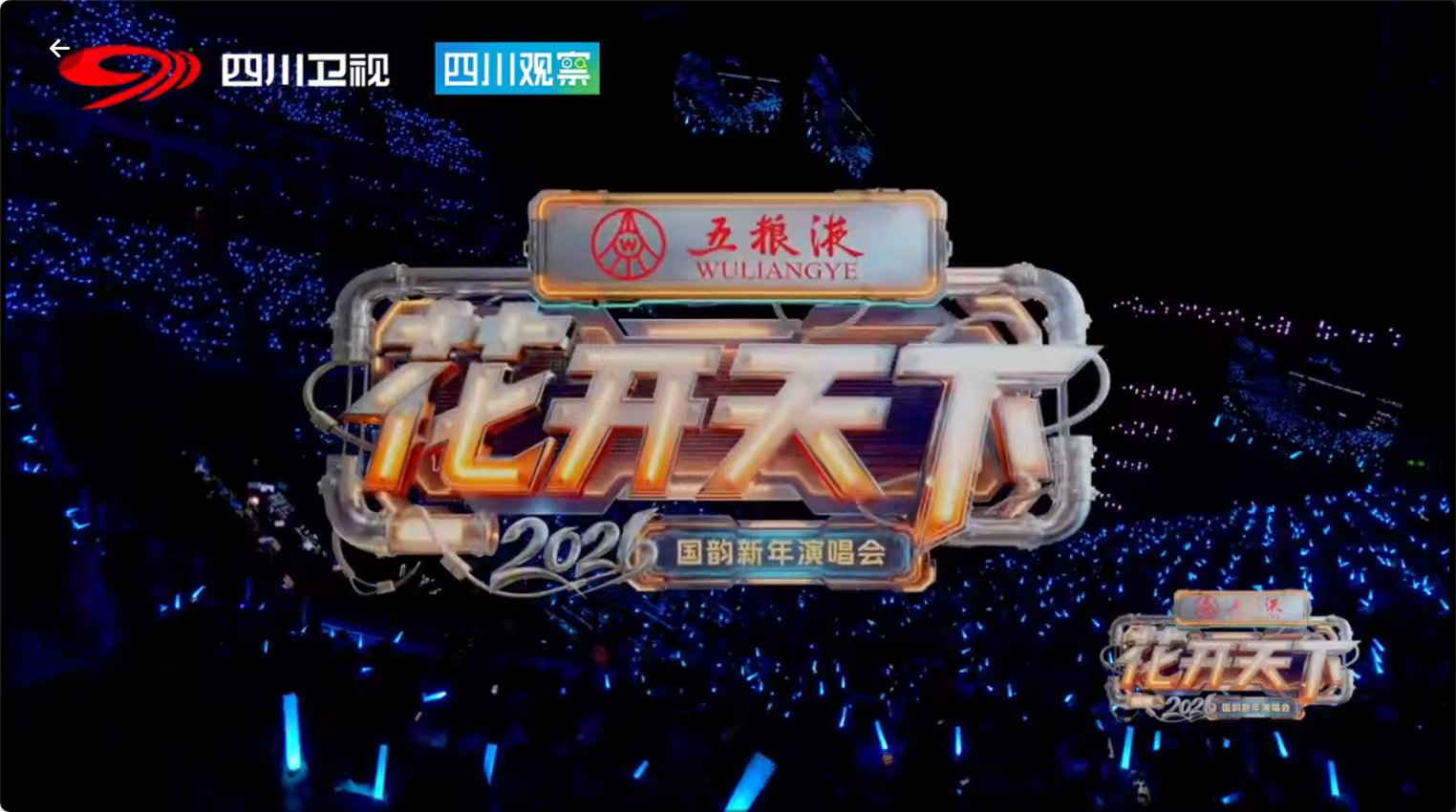
重识·重构·重塑——从五粮液创新实践看中国酒业的三个走向
Feng Huang Wang Cai Jing· 2025-12-26 10:34
Core Insights - The article emphasizes the confidence in Wuliangye (000858) and its strategic positioning in the global liquor market, particularly in the context of the 29th Consensus Building Conference held in Yibin, where global distributors gathered to share market feedback [1][2]. Group 1: Industry Opportunities - Wuliangye's chairman, Zeng Congqin, highlighted three major opportunities arising from the current industry adjustment during his keynote speech [2]. - The liquor industry is undergoing a deep adjustment influenced by economic, consumption, and industrial cycles, which presents a chance for Wuliangye to redefine its strategic direction [2][4]. - The recognition of the liquor industry as a "historical classic industry" by the Ministry of Industry and Information Technology provides significant historical opportunities for development [5]. Group 2: Strategic Development - Wuliangye's strategy focuses on "re-recognizing the value of time," emphasizing cultural heritage, craftsmanship, and social responsibility in the liquor industry [4][5]. - The company aims to innovate through technology, product development, and business model transformation to activate the vitality of the classic industry [5][10]. - The integration of traditional brewing techniques with modern technology is a key aspect of Wuliangye's strategy, enhancing its competitive edge [10]. Group 3: Experience and Cultural Integration - The liquor tourism integration is identified as a new growth driver, with Wuliangye leading initiatives to create a rich cultural and experiential ecosystem [11][12]. - The company has invested in transforming its cultural sites and enhancing visitor experiences, which has resulted in significant tourist engagement [13]. - Wuliangye's approach to cultural integration includes launching various cultural events and publications to deepen its connection with consumers [15]. Group 4: Product Innovation and Consumer Engagement - Wuliangye is adapting to a new era of rational consumption, focusing on the true value of products and emotional resonance with consumers [17]. - The company is actively targeting younger demographics and female consumers through innovative product designs and marketing strategies [18]. - Wuliangye's internationalization efforts include promoting its products as cultural ambassadors at global events, enhancing its brand presence worldwide [19]. Group 5: Future Outlook - The ongoing liquor expo will continue until January 3, 2026, indicating a sustained commitment to industry growth and collaboration [20]. - Wuliangye and other leading companies are poised to shape the future of Chinese liquor, balancing historical significance with modern vitality [20].
五粮液“12·18大会”凝聚合力 迈向“十五五”新征程
Sou Hu Cai Jing· 2025-12-26 07:43
Core Insights - The 12·18 Conference serves as a platform for Five Grain Liquid to recalibrate the direction for high-quality industry development amidst significant market adjustments [3][4] - Five Grain Liquid is implementing three proactive measures to address market challenges: adjusting to market demands, alleviating pressures, and recognizing changes [4][6] Group 1: Industry Strategy - Five Grain Liquid's proactive strategies have led to significant improvements in product performance, with the sales of the new 29° Five Grain Liquid product exceeding 100 million yuan within two months of launch [4] - The company aims to establish a direct sales network with over 4,000 enterprises in sectors like new energy and technology, targeting a sales revenue of 4.5 billion yuan by 2025 [4] Group 2: Brand Engagement - The 12·18 Conference has evolved into a brand festival, engaging consumers through various activities, including competitions and cultural events, to strengthen emotional connections [7] - Five Grain Liquid's approach extends beyond partnerships with distributors to include consumers, fostering a sense of shared growth and cultural appreciation [7] Group 3: Future Outlook - For 2026, Five Grain Liquid has designated the year as one of "marketing integrity and innovation," focusing on five strategic areas to solidify market foundations and enhance brand strength [8][10] - The company emphasizes a balanced approach in its strategy, addressing short-term and long-term goals, supply and demand, and development safety [10] - Targeting younger demographics and international markets is a priority, with a strategic framework aimed at penetrating mainstream overseas markets [10]