
酒企出海

Search documents
从“卖产品”到“卖文化”:营销变革下酒企出海新征程
Bei Jing Ri Bao Ke Hu Duan· 2025-12-25 16:28
Core Viewpoint - The Chinese liquor industry is increasingly focusing on international markets as domestic competition intensifies, with a significant number of companies expanding overseas to seek new growth opportunities [1][7]. Group 1: Market Expansion Strategies - A report indicates that by 2025, 63.9% of Chinese liquor companies will have established or are in the process of expanding into international markets, highlighting a collective shift towards seeking new growth avenues [1]. - Companies like Moutai and Wuliangye are launching products specifically designed for overseas markets, while others are exporting established domestic bestsellers [3][4]. - The export of Chinese liquor is experiencing a "volume and price increase," with total exports reaching $704 million in the first three quarters of the year, a 5.3% year-on-year increase [7]. Group 2: Cultural Integration - The industry recognizes that successful internationalization involves not just product export but also cultural integration, with many companies engaging in cultural activities to tell the story of Chinese liquor [5][6]. - Events like "He Mei Global Tour" by Wuliangye and "Chinese Banquet" by Yanghe are examples of how companies are using cultural narratives to enhance their international presence [5]. Group 3: Challenges and Opportunities - Despite the enthusiasm for international expansion, challenges remain, such as the need to adapt products to local tastes and cultural preferences, particularly in regions with significant Chinese populations like Southeast Asia [8][9]. - The industry is still in the early stages of internationalization, primarily serving Chinese consumers abroad, and must develop strategies to engage with local markets more effectively [8][9].

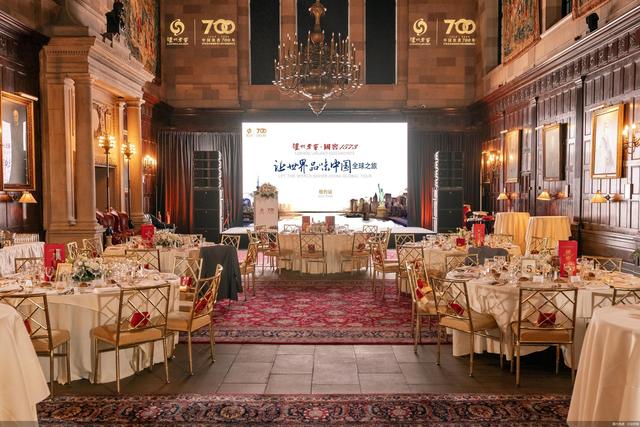
从“卖产品”到“卖文化” 酒企出海新征程
Bei Jing Shang Bao· 2025-12-25 13:52
Core Viewpoint - The Chinese liquor industry is increasingly focusing on international markets as domestic competition intensifies, with a significant number of companies expanding overseas to seek new growth opportunities [1][8]. Group 1: Market Expansion - As of December 25, 2023, 63.9% of Chinese liquor companies are either expanding or have already established a presence in overseas markets, indicating a collective shift towards internationalization [1]. - Major brands like Moutai, Wuliangye, and Luzhou Laojiao are actively entering global markets, while Huangjiu brands such as Guyue Longshan and Kuaijishan are also leveraging traditional culture alongside their products [1][3]. Group 2: Product Strategy - Companies are adopting two distinct strategies for internationalization: "cultural integration" with tailored products for foreign markets, and "value output" by exporting established domestic products [3]. - Moutai has launched a series of products specifically designed for international markets, while other brands like Luzhou Laojiao and Wuliangye are exporting their star products that have already gained traction in China [3][4]. Group 3: Cultural Integration - The cultural aspect of product export is becoming increasingly important, with companies recognizing that successful internationalization involves not just product sales but also cultural storytelling [6]. - Initiatives such as Wuliangye's "He Mei Global Tour" and various cultural exchange activities by other brands aim to promote Chinese liquor culture globally [6][7]. Group 4: Market Challenges - Despite the enthusiasm for international expansion, challenges remain, including the need for localization and the predominance of Chinese consumers in overseas markets [8][9]. - The Southeast Asian market is currently the primary focus for many companies, supported by a significant Chinese diaspora, but broader acceptance among local consumers is still a hurdle [8][9]. Group 5: Future Directions - To penetrate mainstream overseas markets, companies must innovate and adapt their products to local tastes, particularly through the integration of liquor with Chinese cuisine [9].







2025酒业年度盘点|从“卖产品”到“卖文化” 营销变革下酒企出海新征程
Bei Jing Shang Bao· 2025-12-25 13:32
Core Insights - The Chinese liquor industry is increasingly focusing on international markets as domestic competition intensifies, with many companies adopting overseas expansion as a strategic choice [1][4] - By 2025, 63.9% of Chinese liquor companies are expected to have established or be expanding into overseas markets, indicating a collective shift towards seeking new growth opportunities [4] Group 1: Product Strategies - Companies are employing two distinct yet complementary strategies for internationalization: "cultural integration" through tailored products and "value output" by exporting established domestic products [5] - Moutai has launched a series of new products specifically designed for overseas markets, marking a significant expansion after six years [5] - Other companies, such as Luzhou Laojiao and Wuliangye, are exporting their star products that have already established a market presence in China [5][6] Group 2: Cultural Integration - The cultural aspect of product export is becoming increasingly important, with many companies recognizing that successful internationalization involves not just product sales but also cultural storytelling [7] - Major companies are engaging in high-profile cultural activities to promote Chinese liquor culture globally, such as Wuliangye's "Harmony Global Tour" and Shanxi Fenjiu's participation in international branding events [7][8] Group 3: Market Dynamics - The export of Chinese liquor has shown a positive trend, with a total export value of $704 million in the first three quarters, reflecting a year-on-year increase of 5.3% [9] - Southeast Asia is emerging as a primary market for Chinese liquor exports, supported by a significant Chinese diaspora that influences local consumption patterns [10][11] Group 4: Challenges and Opportunities - Despite the enthusiasm for international markets, challenges remain, including the need for deeper localization and adaptation to local consumer preferences [10][11] - Companies are encouraged to explore innovative product offerings that align with local tastes and cultural contexts, such as lower-alcohol beverages and collaborations with local culinary traditions [11]
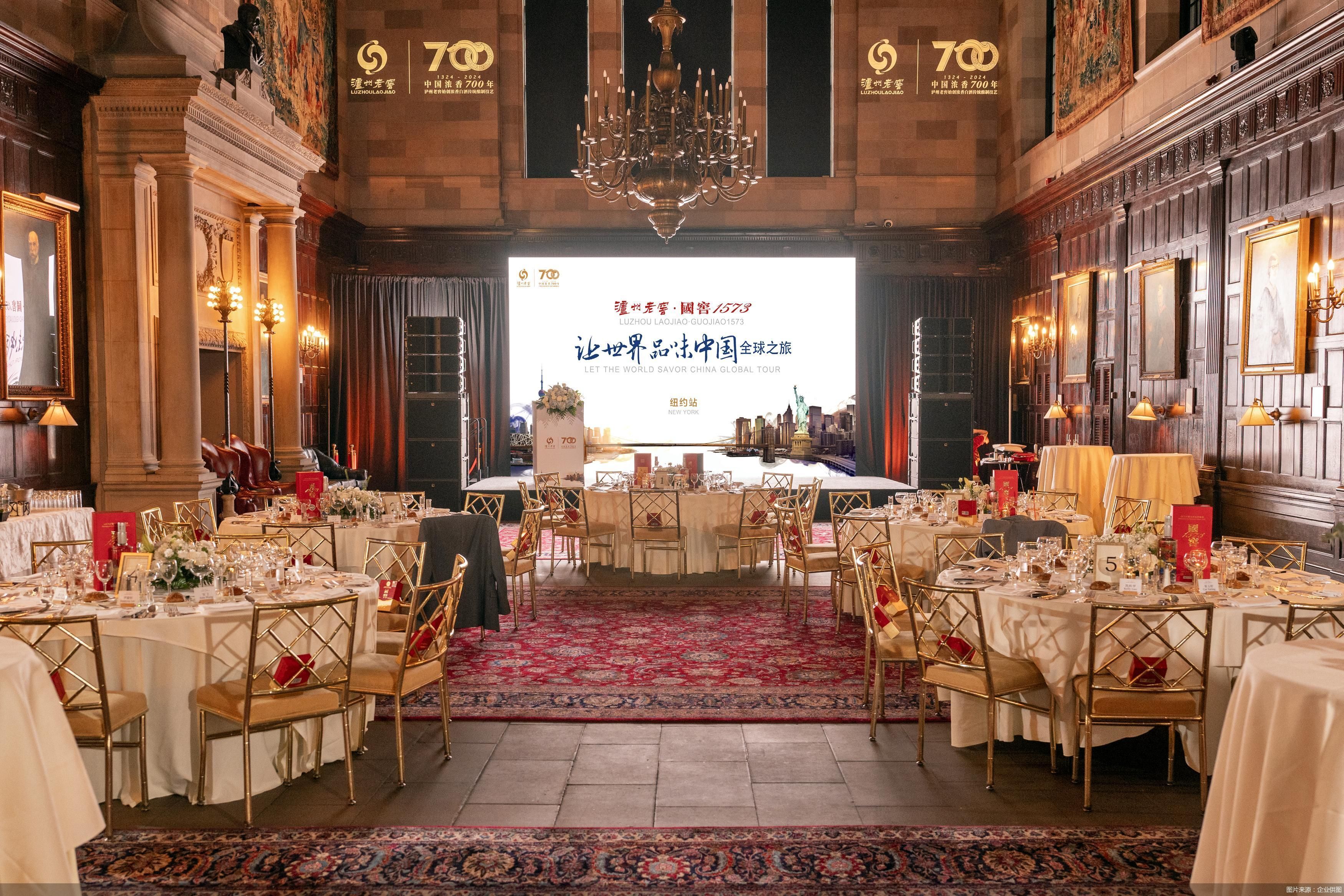
从“卖产品”到“卖文化” 营销变革下酒企出海新征程
Bei Jing Shang Bao· 2025-12-25 13:30
Core Viewpoint - The Chinese liquor industry is increasingly focusing on international markets as domestic competition intensifies, with a significant number of companies expanding overseas to seek new growth opportunities [1][7]. Group 1: Market Expansion - As of December 25, 2023, 63.9% of Chinese liquor companies are either expanding or have already established a presence in overseas markets [1]. - Major brands like Kweichow Moutai, Wuliangye, and Luzhou Laojiao are actively entering international markets, alongside traditional yellow wine brands like Guyue Longshan and Kuaijishan [1][2]. Group 2: Product Strategy - Companies are adopting two distinct strategies for internationalization: "cultural integration" with tailored products for foreign markets and "value output" by exporting established domestic products [2]. - Kweichow Moutai has launched a series of new products specifically designed for overseas markets, marking a significant expansion after six years [2]. - Luzhou Laojiao is innovating with products like ready-to-drink cocktails and oak barrel liquor to cater to international consumer preferences [3]. Group 3: Cultural Integration - The liquor industry recognizes that cultural storytelling is essential for successful international expansion, with many companies engaging in high-profile cultural activities to promote Chinese liquor [4][5]. - Initiatives like Wuliangye's "He Mei Global Tour" and the opening of tasting houses by Guyue Longshan in Paris highlight the industry's focus on cultural exchange [5][6]. Group 4: Market Challenges - Despite the enthusiasm for international markets, challenges remain, including a reliance on Chinese consumers abroad and the need for deeper localization to appeal to diverse international tastes [7][8]. - The Southeast Asian market is identified as a primary target for expansion, supported by a significant Chinese diaspora that influences local consumption patterns [7]. Group 5: Future Directions - Industry experts suggest that to penetrate mainstream markets, liquor companies must innovate and adapt products to local tastes, potentially developing lower-alcohol or pre-mixed beverages [8]. - There is a call for greater integration of liquor with Chinese cuisine to enhance market appeal and consumer acceptance [8].
酒企多举措谋“出海” 上半年白酒出口总额同比增超三成
Zheng Quan Ri Bao· 2025-07-25 16:11
Group 1: Import Market Overview - In the first half of 2023, China's liquor import market showed a "weak import, strong export" trend, with total import value at $1.73 billion, a year-on-year decrease of 13.6% [1] - The total import volume was 360 million liters, down 2.5% year-on-year [1] - Spirits emerged as the largest category of imported liquor, with total import value at $720 million, a decline of 27.9%, while import volume increased by 10.3% to 54.22 million liters [1] - Wine imports saw a significant drop, with total import value at $710 million, a slight decrease of 0.1%, and total volume at 1.1 billion liters, down 12.7% [1] - Beer imports also showed weakness, with total import value at $240 million, down 2.2%, while total volume increased by 2.5% to 1.8 billion liters [1] Group 2: Export Market Overview - In contrast, China's liquor exports continued to grow rapidly, with total export value reaching $1.06 billion, a year-on-year increase of 21.5% [2] - Total export volume was 480 million liters, up 34.0% year-on-year [2] - Notably, baijiu (Chinese liquor) exports totaled $530 million, a 30.9% increase, with volume at 8.31 million liters, up 7.4% [2] - Beer exports amounted to $280 million, a growth of 25.8%, with volume at 400 million liters, up 23.8% [2] - Wine exports surged to $26.35 million, a remarkable increase of 174%, with volume at 2.03 million liters, up 176% [2] Group 3: Industry Trends and Future Strategies - A report indicated that by 2025, 63.9% of baijiu companies are either expanding or planning to enter overseas markets, primarily targeting the Asia-Pacific region, including countries like South Korea, Japan, Australia, Singapore, and Malaysia [2] - The increasing international influence of China is driving the global expansion of Chinese liquor, supported by both external factors and internal industry innovations [2] - Future strategies for Chinese liquor companies include launching lower-alcohol products to cater to local tastes, selecting local ambassadors and distributors for brand promotion, and considering acquisitions or investments in overseas liquor brands and trading companies to enhance their international presence [3]