米家App

Search documents
荣耀小米加码,全屋智能大乱战升级:家电巨头才是终极话事人?
3 6 Ke· 2025-11-21 07:52
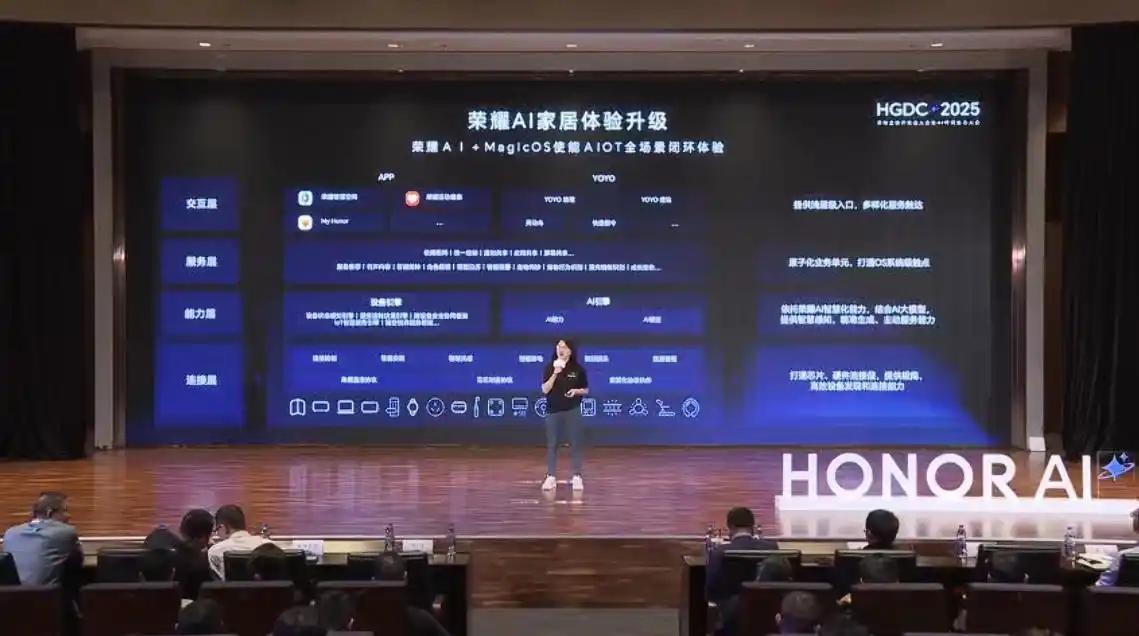
Core Insights - The smart home sector is witnessing an influx of players, with companies like Honor officially entering the market by adapting to Home Assistant and supporting the Matter protocol, while Xiaomi's AIoT platform has connected over 1 billion IoT devices for the first time, marking a year-on-year growth of over 20% [1][3][8]. Group 1: Company Strategies - Xiaomi has evolved from a mobile phone manufacturer to a comprehensive consumer electronics brand with a complete ecosystem of home appliances and IoT products, including smart speakers, air conditioners, and more, all integrated under the Mi Home app [5][8]. - Huawei's strategy focuses on creating a unified operating system, HarmonyOS, which integrates various devices into a distributed system, aiming to transform homes into "super devices" [9][11]. - Apple maintains a strong user experience with its HomeKit but is limited by its ecosystem, relying on third-party manufacturers for device compatibility, which restricts its market reach compared to competitors [12][15]. - Honor aims to be a coordinator of smart devices rather than a manufacturer of home appliances, focusing on interoperability through industry-standard protocols like Home Assistant and Matter [16][18]. Group 2: Competitive Landscape - Traditional home appliance giants like Midea, Haier, and Gree are shifting their focus to whole-home smart solutions, leveraging their hardware expertise and understanding of user needs to maintain a competitive edge [19][21]. - The competition is evolving from single smart products to system collaboration, allowing mobile manufacturers to re-enter the market, but traditional appliance manufacturers still hold significant advantages in hardware performance and user experience [22][25]. - New entrants in the smart home market, such as Euribot and Green米, are focusing on foundational smart home components, while emerging players like Chasing are rapidly expanding their product offerings across various categories [23][24]. Group 3: Future Outlook - The future of the smart home market is expected to be characterized by coexistence among various players, with mobile manufacturers offering flexible product choices and traditional appliance manufacturers providing reliable performance and integrated solutions [25][27].





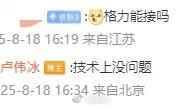
卢伟冰回应格力接入米家称技术上没问题
Xin Lang Ke Ji· 2025-08-18 10:15
Core Viewpoint - Xiaomi's Mijia App has officially integrated Siemens home appliances, enhancing its smart home ecosystem and control capabilities [1] Group 1: Company Developments - Xiaomi announced the integration of Siemens home appliances into the Mijia App, which will support features like Xiaomi's Surge Smart Link and Super Xiao Ai control [1] - Xiaomi's President and General Manager of the Mobile Division, Lu Weibing, welcomed more home appliance brands to join the Mijia platform [1] Group 2: Industry Implications - A user inquired whether Gree could connect to the Mijia App, to which Lu Weibing responded that "technically it is not a problem," indicating potential for further collaboration in the smart home sector [1]