红外额温枪

Search documents
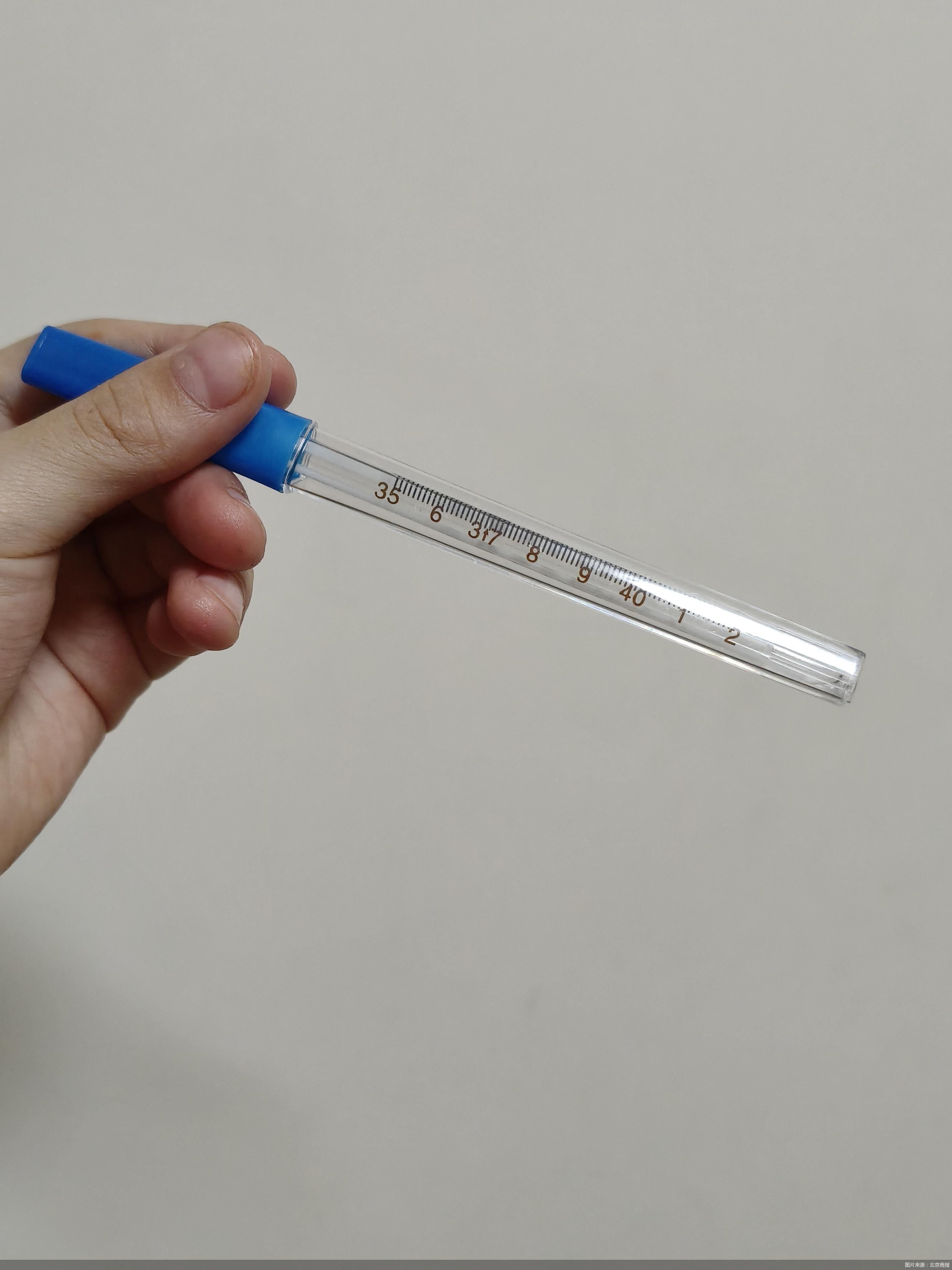
水银体温计禁产令生效 电子体温计成主流
Xin Lang Cai Jing· 2026-01-11 22:25
Core Viewpoint - The production of mercury thermometers and blood pressure monitors will be completely banned in China starting January 1, 2026, in compliance with national regulations aimed at reducing environmental and health risks associated with mercury [1][2]. Group 1: Market Response - The price of mercury thermometers currently ranges from 6 to 8 yuan, while electronic thermometers and infrared forehead thermometers are priced from tens to hundreds of yuan [1]. - Many pharmacies have shifted to selling electronic measuring products, with only a few still having limited stock of mercury thermometers [1]. - Following the announcement of the ban, there has been a surge in demand for remaining mercury thermometers, with some stores reporting rapid sales of their inventory [1]. Group 2: Consumer Attitudes - Consumer opinions on the transition from mercury to electronic thermometers vary, with some parents trusting mercury thermometers for their accuracy, while others prefer electronic options for safety and convenience [2]. - Concerns about the toxicity of mercury and the potential for environmental contamination have driven the decision to phase out mercury thermometers [2]. Group 3: Regulatory Background - The ban on mercury thermometers is part of China's commitment to the Minamata Convention on Mercury, which addresses the health and environmental risks posed by mercury [2]. - The National Medical Products Administration issued a notification in October 2020, clearly stating the prohibition of manufacturing mercury thermometers and blood pressure monitors starting in 2026 [2].
水银体温计血压计禁产背后:谁能代替
Bei Jing Shang Bao· 2025-12-09 13:12
Core Viewpoint - The production of mercury thermometers and sphygmomanometers will be banned starting January 1, 2024, as part of China's commitment to the Minamata Convention on Mercury, leading to a transition towards electronic medical devices and a shift in the healthcare industry towards high-value digital health ecosystems [1][7]. Group 1: Market Trends - The market for smart thermometers in China reached 1.55 billion yuan in 2021, with a year-on-year growth of 23%, and is projected to grow to 2.13 billion yuan by the end of 2023, reflecting a compound annual growth rate of 13.8% [5]. - Over 80% of young consumers prefer electronic thermometers and sphygmomanometers, while more than half of middle-aged and elderly consumers also choose electronic devices due to their convenience [5]. Group 2: Consumer Perspectives - Many consumers express a strong trust in traditional mercury measuring devices, with concerns about the accuracy of electronic alternatives, particularly among families with young children [4]. - Some consumers have found electronic devices to be more user-friendly and practical compared to mercury devices, indicating a shift in consumer preferences [4]. Group 3: Technological Transition - The ban on mercury devices is expected to drive the medical device industry in China from low-cost glass manufacturing to high-value digital healthcare solutions, integrating sensor technology, microelectronics, and software development [7][8]. - Electronic devices have achieved clinically acceptable accuracy through advancements in sensor technology and algorithms, although there are still scenarios where mercury devices may outperform them [7][8]. Group 4: Future Innovations - The market is seeing the emergence of innovative alternatives such as infrared thermometers, wearable continuous temperature monitoring patches, and integrated devices that measure multiple health parameters [8]. - The integration of smart connectivity in modern devices allows for continuous health monitoring and personalized health recommendations, marking a significant shift from passive measurement to active health management [8].