
纯棉衣物

Search documents
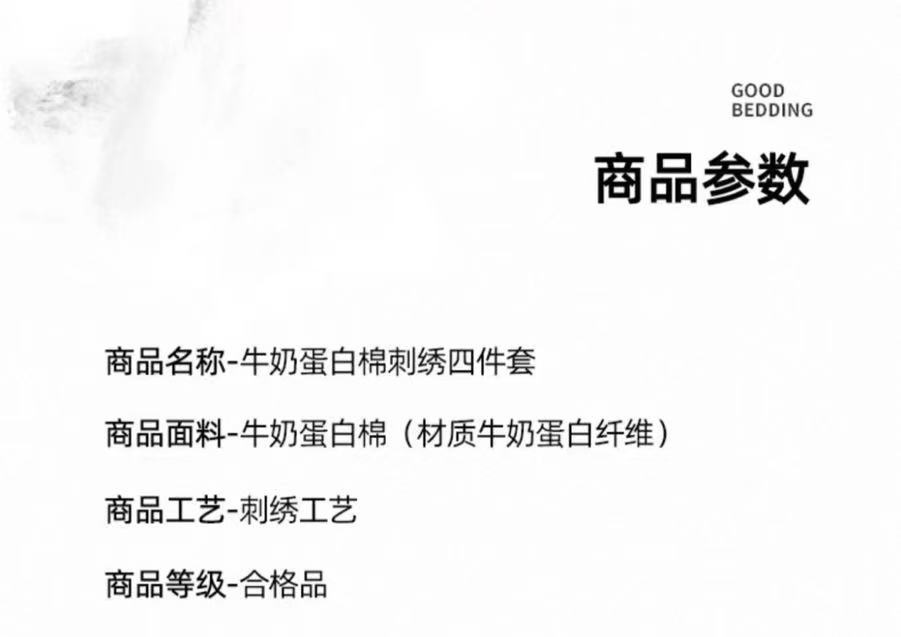
所谓“亲肤棉”棉含量为0 聚酯纤维的产品为何用“棉”来命名?
Yang Guang Wang· 2026-01-15 00:49
Core Viewpoint - The article highlights the misleading marketing practices in the textile industry, where products labeled with terms like "cotton" or "skin-friendly cotton" often contain synthetic materials instead of natural fibers, leading to consumer deception [1][7][8] Group 1: Consumer Complaints - Consumers have reported receiving products that do not match the advertised materials, such as receiving items labeled as "silk protein" or "skin-friendly cotton" that are actually made of 99% polyester [1][2] - The confusion is particularly problematic for older consumers who may not fully understand the differences between synthetic and natural fibers, leading to misinformed purchasing decisions [2][3] Group 2: Marketing Tactics - Many product names, such as "milk protein fiber" and "baby fleece," are created by marketers and do not accurately represent the materials used, often being a mix of synthetic fibers [5][7] - Manufacturers utilize consumer misconceptions to sell lower-cost synthetic materials at higher prices by incorporating terms associated with natural fibers, thus avoiding legal repercussions for false advertising [7] Group 3: Regulatory and Consumer Rights - The practices of misleading labeling may infringe on consumer rights, as consumers are entitled to know the true nature of the products they purchase [8] - Experts suggest that regulatory bodies need to establish clearer standards and enforce stricter regulations to prevent such deceptive marketing practices, while also urging consumers to be vigilant about product labels [8]

什么是“监管棉”
Xin Lang Cai Jing· 2026-01-06 23:41
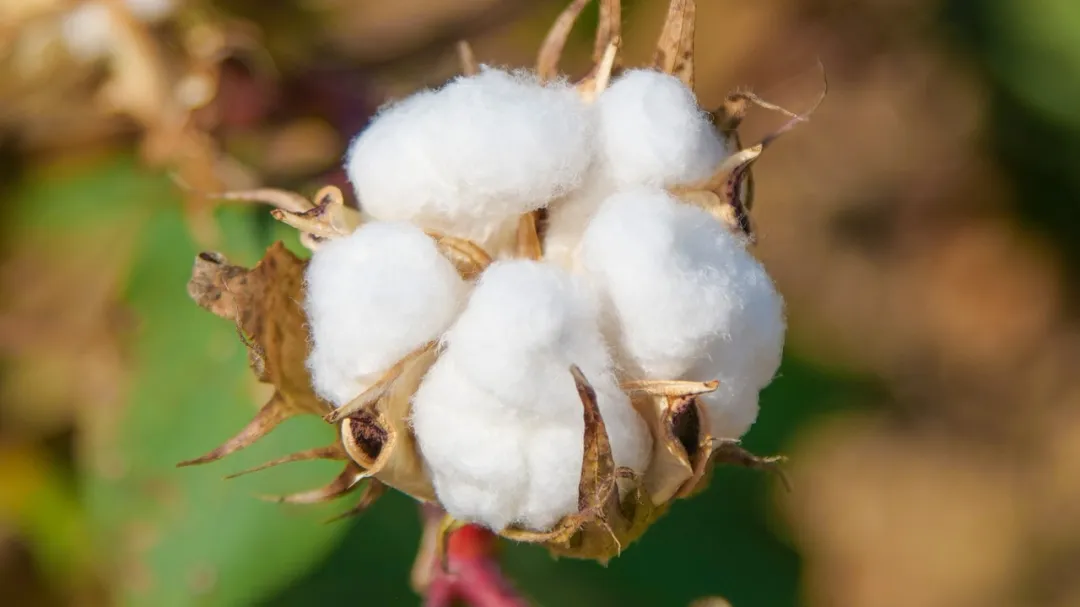
Group 1 - The core concept of "supervised cotton" is introduced, which is a type of cotton that is regulated by the state and must be stored in designated warehouses and undergo comprehensive inspections [3] - Supervised cotton provides benefits to cotton farmers by ensuring accurate subsidies and protecting them from exploitation [3] - For enterprises, supervised cotton allows for a single inspection to be valid throughout the supply chain, reducing logistics and time costs [3] Group 2 - The market benefits from supervised cotton as it helps eliminate counterfeit products, ensuring fairer transactions [3] - Supervised cotton also lowers credit risks for banks, facilitating easier financing for companies [3] - The application of supervised cotton is widespread, being used in everyday cotton clothing, bedding products, industrial textiles, and medical gauze [3]
纯棉、全棉、100%棉区别在哪?为什么总是分不清?
Xin Lang Cai Jing· 2025-12-23 20:11
Group 1 - The article clarifies the differences between terms like "pure cotton," "all cotton," and "100% cotton," stating they all indicate the fabric is made entirely of cotton fibers according to national standards [1] - Some merchants may mislabel products with cotton content over 75% as "pure cotton," which can mislead consumers; it is advised to check the fiber composition on labels for compliance [1] Group 2 - The core principle of warmth in clothing, such as cotton or down jackets, is not the material itself but the ability to trap air, which serves as an excellent insulator [2] - Cotton has natural warmth but absorbs moisture, which can reduce its insulating properties and lead to issues like mold and odor when wet [4] - Polyester fiber, on the other hand, has low moisture absorption, maintaining warmth and preventing mold and odor, making it a preferred filling material for cold and humid environments [5][6] Group 3 - Selection of filling material should depend on the environment; cotton is suitable for dry, static conditions, while polyester is better for humid, active settings [7] - For those seeking lightweight and easy-care options, polyester-filled clothing is recommended, while individuals with allergies to synthetic fibers may prefer 100% cotton, with precautions against moisture [8] Group 4 - When purchasing cotton clothing, it is essential to check the label for filling composition to ensure it meets expectations, avoiding low-quality or mixed cotton products [9] - The essence of consumer choice is to meet personal needs rather than simply opting for "natural" labels; both natural and synthetic materials can be suitable depending on the use case [9]
冷空气“冻”真格了 应对“断崖式”降温 防护指南快收好→
Yang Shi Xin Wen Ke Hu Duan· 2025-10-22 05:21
Summary of Key Points Core Viewpoint - The article discusses the recent significant drop in temperatures across various regions in China due to a cold air mass, emphasizing the importance of early preparation for winter clothing and heating methods to ensure safety and comfort. Clothing Recommendations - The article suggests a layered approach to dressing for cold weather, known as the "onion method," which includes: - Inner Layer: Wear moisture-wicking materials like cotton or merino wool to keep the skin dry [1] - Middle Layer: Use insulating clothing such as wool sweaters or thin down jackets to retain heat [2] - Outer Layer: Protect against wind with windbreakers or thick down jackets [3] - Key body areas that require extra protection include the head, neck, waist, and ankles to prevent heat loss [4] Heating Safety - The article warns about the risks associated with various heating methods, particularly the danger of carbon monoxide poisoning from improper use of heating devices [10] - It emphasizes the importance of ventilation when using coal stoves or charcoal for heating [11] - Regular checks on gas appliances are recommended to prevent gas leaks [12] Emergency Response - A three-step emergency response is outlined for suspected carbon monoxide poisoning, including stopping the source, moving the person to fresh air, and seeking medical attention [14][15][16] Electrical Heating Precautions - Safety measures for electric heaters, electric blankets, and hand warmers are highlighted to prevent fire hazards [17] - Specific guidelines include maintaining a safe distance from flammable materials and avoiding using devices while charging [18][19][20] Dietary Recommendations - The article suggests dietary choices to help maintain warmth, advocating for high-protein foods like lamb and tofu to reduce heat loss [22] - It also recommends drinking warm water at optimal temperatures and herbal teas to aid in warming the body [23] - A warning is issued against relying on alcohol for warmth, as it can lead to rapid heat loss [24]