线性关节总成

Search documents
特斯拉人形机器人供应链大曝光?
机器人大讲堂· 2025-09-13 02:05
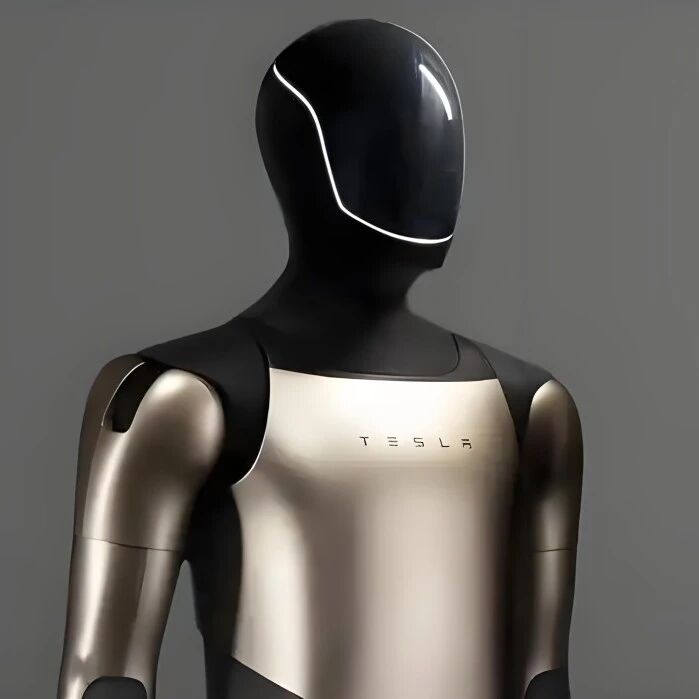
Core Viewpoint - Tesla is intensifying its focus on humanoid robots, integrating artificial intelligence and robotics into its strategic framework, which has sparked renewed interest in its supply chain and potential partners in this sector [1]. Group 1: Companies in Tesla's Supply Chain - Sanhua Intelligent Control is a key supplier for Tesla's humanoid robots, providing essential components such as rotary joint assemblies that enable flexible movement [7]. - Top Group has established a strong position in the automotive sector and is now leveraging its expertise in mechanical and electrical systems to supply linear joint assemblies for Tesla's humanoid robots [10]. - Wuzhou Xinchun is expanding its capabilities in precision manufacturing and has developed new products for humanoid robots, including planetary roller screws, which are critical for joint transmission systems [11][12]. - Zhenyu Technology is actively involved in the development of linear actuators and precision components for humanoid robots, having successfully created products that are currently undergoing supplier integration processes with major clients [16][18]. - Zhao Wei Electromechanical has become a core supplier of dexterous hand modules for Tesla's humanoid robots, focusing on high-precision micro-drive systems [24]. - Mingzhi Electric has positioned itself as a leading supplier of motors for Tesla, particularly in the field of hybrid stepper motors, which are crucial for robotic applications [28]. - Zhejiang Rongtai is enhancing its product offerings for humanoid robots and has established partnerships to accelerate its entry into this emerging market [30][34]. Group 2: Industry Trends and Developments - The humanoid robot market is experiencing rapid growth, driven by advancements in artificial intelligence and robotics, prompting companies to innovate and expand their product lines [1]. - Companies are increasingly focusing on automation and intelligent manufacturing processes to enhance their competitiveness in the humanoid robot sector [15]. - The integration of precision components and advanced manufacturing techniques is essential for the development of high-performance humanoid robots, with firms investing in R&D to meet market demands [19][20].