美国军火

Search documents
中国王牌果然有效,美欧爆发四大争吵,欧洲女王这回不好当了
Sou Hu Cai Jing· 2025-08-05 08:16
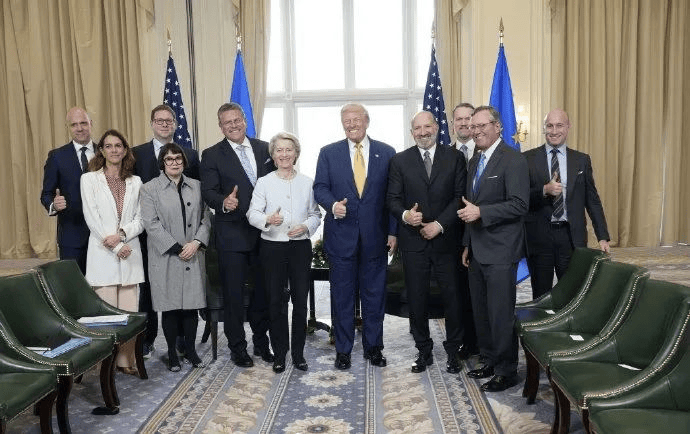
Core Viewpoint - The article discusses the geopolitical dynamics between China, the United States, and the European Union, highlighting how China's control over rare earth resources has shifted negotiation power and created internal conflicts within the EU, particularly regarding the leadership of Ursula von der Leyen [1][2][10]. Group 1: China and Rare Earth Resources - China's rare earth resources serve as a significant leverage point in negotiations, impacting U.S. strategies and leading to a 90-day grace period in tariff discussions [2][9]. - The importance of rare earth elements in high-tech industries, such as electric vehicles and aerospace, underscores China's critical role in the global supply chain [9][10]. Group 2: U.S.-EU Relations - The U.S. has made several demands on the EU, including the removal of trade barriers for pork and dairy, which are vital to the European economy, leading to strong resistance from EU officials [5]. - The U.S. seeks to abolish two digital laws in Europe, which are designed to protect consumer rights and ensure fair competition, highlighting a clash over regulatory sovereignty [7]. - A financial request from the U.S. for the EU to invest $600 billion and acquire $750 billion in U.S. energy raises concerns about economic burdens and internal discord within the EU [7][9]. - The U.S. aims to impose high tariffs on European steel and aluminum, which could severely impact the European economy, prompting strong opposition from EU leaders [7][9]. Group 3: Internal EU Dynamics - The EU is experiencing significant internal conflict as member states criticize von der Leyen for perceived capitulation to U.S. interests, questioning her leadership and decision-making [4][10]. - The lack of a legally binding agreement between von der Leyen and Trump has led to further scrutiny and dissatisfaction within the EU, complicating the political landscape [4][10]. - The article suggests that the EU's initial approach of compromise with the U.S. has backfired, leading to increased pressure on von der Leyen and calls for a more unified and assertive stance against U.S. demands [12].

欧盟7500亿美元买美国能源,俄罗斯被釜底抽薪,拜登为啥不为
Sou Hu Cai Jing· 2025-07-28 05:35
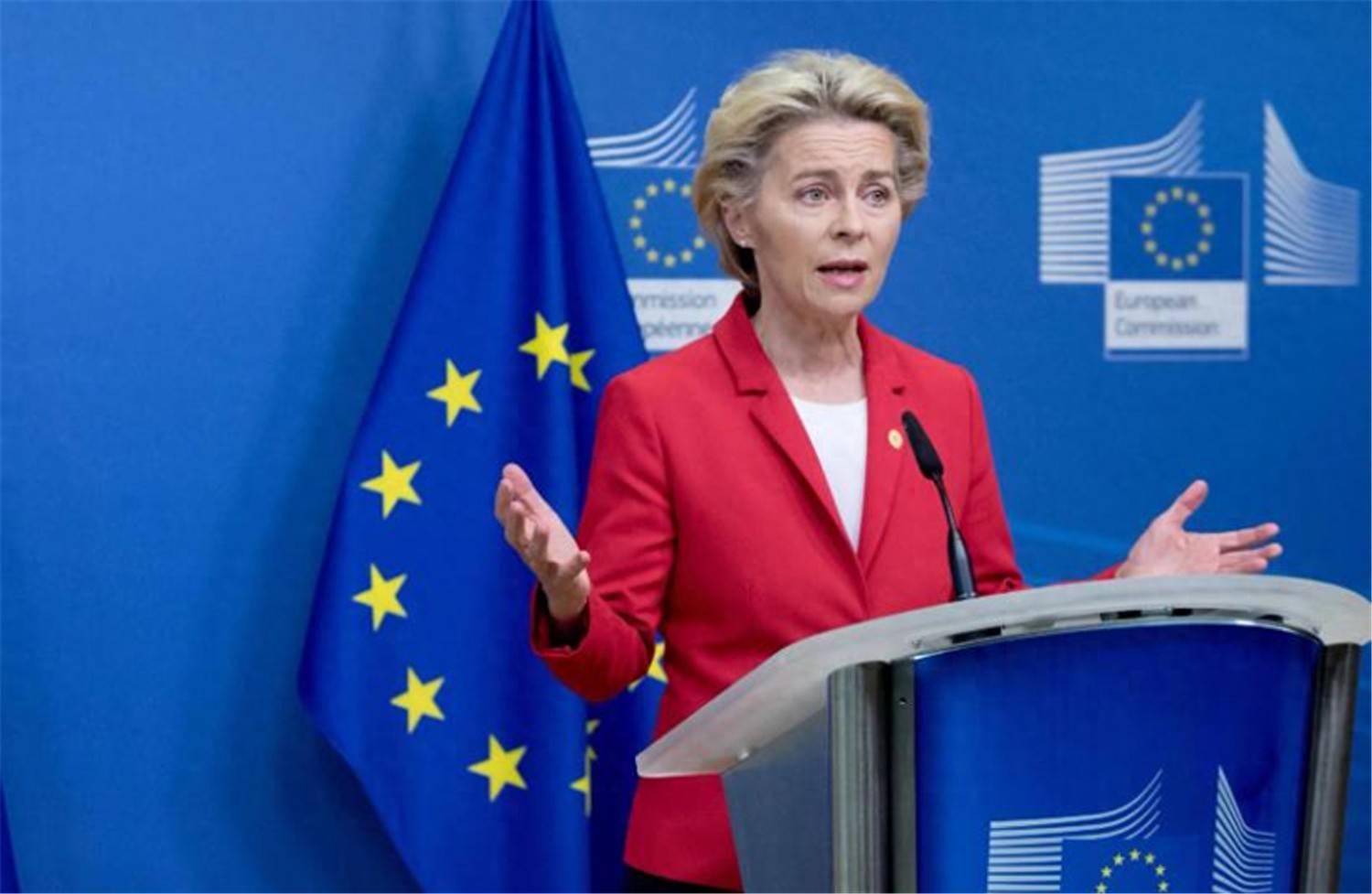
Group 1 - The trade agreement between Trump and the EU maintains a 15% tariff level on Japan, with Europe committing to purchase $750 billion in American energy, $600 billion in investments in the US, and several hundred billion dollars in military arms [1][3] - The EU's military arms purchases are driven by the actual need to strengthen military capabilities, with a 5% GDP military spending standard increasing procurement scales, and are part of the support for Ukraine, reflecting a consensus on buying American weapons [3] - The EU's decision to buy $750 billion in American energy undermines Russia's financial support for the war, as the funds spent on Russian energy far exceed the aid provided to Ukraine, highlighting the EU's previous reliance on Russian energy [3] Group 2 - The EU's military spending and arms procurement are a response to the ongoing conflict, with the recognition that Europe lacks the capacity for large-scale military production, leading to the rejection of proposals to keep weapon production within Europe [3] - The Biden administration's previous environmental policies limited the availability of American energy supplies to Europe, contributing to high international oil prices and allowing Russia to maintain substantial wartime revenue [3] - The EU's financial support for Ukraine has been complicated by its simultaneous funding of Russia through energy purchases, indicating a need for a strategic shift in energy sourcing to effectively support Ukraine [3]