美国技术

Search documents
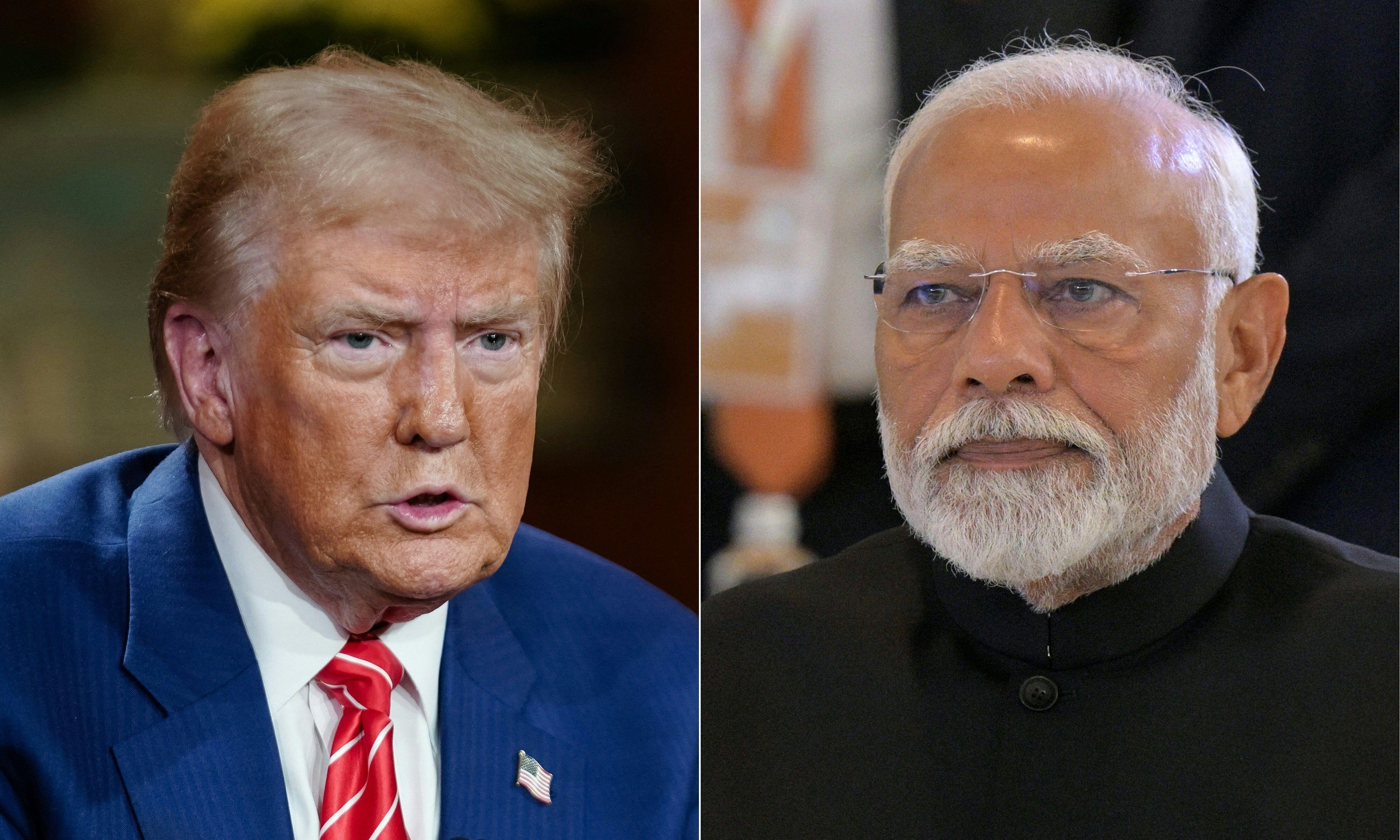
莫迪向美国下跪,同时得罪中俄欧,外资见势不妙纷纷撤离印度市场
Sou Hu Cai Jing· 2026-02-03 15:44
Group 1 - The core issue revolves around the trade dispute between the US and India, with India's Modi government facing pressure from domestic farmers, leading to a refusal to open agricultural markets to the US, which escalated into a tariff war [1] - Recent developments indicate that Trump has reduced the "reciprocal" tariff rate on Indian goods from 25% to 18%, suggesting progress in US-India tariff negotiations, although it implies Modi's significant concessions [3] - Modi's agreement to purchase over $500 billion worth of US products, including energy and defense, while committing to reduce tariffs and non-tariff barriers to zero, highlights the extent of India's concessions to the US [3] Group 2 - Modi's shift in policy has angered Russia, as India is expected to reduce oil imports from Russia in favor of Venezuelan oil, which could disrupt diplomatic and security cooperation between India and Russia [5] - The signing of the US-India trade agreement may negatively impact India's relations with the EU, particularly in defense, as it could lead to increased US weaponry in India, undermining EU interests [6] - The potential backlash from domestic farmers against the opening of Indian markets to US agricultural products could lead to significant political repercussions for Modi, including protests and challenges from opposition parties [8]

特朗普宣布:降低关税!
Zhong Guo Jing Ji Wang· 2026-02-03 01:32
Group 1 - The core point of the news is the announcement of a trade agreement between the United States and India, where the U.S. will reduce tariffs on Indian goods from 25% to 18% immediately, and India will lower its tariffs and non-tariff barriers to zero [1][4] - Indian Prime Minister Modi has committed to significantly increase purchases of U.S. products, including over $500 billion worth of energy, technology, agricultural products, coal, and other goods [1] - Modi has agreed to stop purchasing oil from Russia and to buy more oil from the U.S., with potential purchases from Venezuela as well [1] Group 2 - The U.S. government had previously imposed a 25% "reciprocal tariff" on Indian goods starting August 7, following an executive order by Trump due to India's oil imports from Russia [4] - Negotiations for a bilateral trade agreement between India and the U.S. began in February of the previous year but were delayed due to differences in positions, particularly regarding oil procurement [4]
特朗普:莫迪同意不买俄罗斯石油 美国将降低对印关税
Yang Shi Xin Wen· 2026-02-02 21:54
Core Viewpoint - The United States and India have reached a trade agreement that will significantly reduce tariffs on goods, with the U.S. lowering its tariff from 25% to 18% and India agreeing to eliminate its tariffs and non-tariff barriers over time [2]. Group 1: Trade Agreement Details - The U.S. will reduce the tariff on Indian goods from 25% to 18%, effective immediately [2]. - India will reciprocate by lowering its tariffs on U.S. goods, aiming to bring them down to zero [2]. - The agreement includes a commitment from India to increase its procurement of U.S. products, with a focus on energy, technology, agricultural products, and coal, amounting to over $500 billion [2]. Group 2: Oil Procurement Changes - India has agreed to stop purchasing oil from Russia and will increase its oil imports from the United States [2]. - There is also a possibility that India may purchase oil from Venezuela [2]. Group 3: Background Context - The trade negotiations between the U.S. and India have been ongoing since February of the previous year, but differences, particularly regarding oil procurement, have delayed the agreement [2]. - The U.S. imposed a 25% tariff on Indian goods in response to India's imports of Russian oil, which was enacted in August of the previous year [2].