
美容护肤品

Search documents
中国经济信心说丨奔向中国式现代化,“三农”这篇文章大有前景
Yang Shi Xin Wen· 2026-02-06 03:14
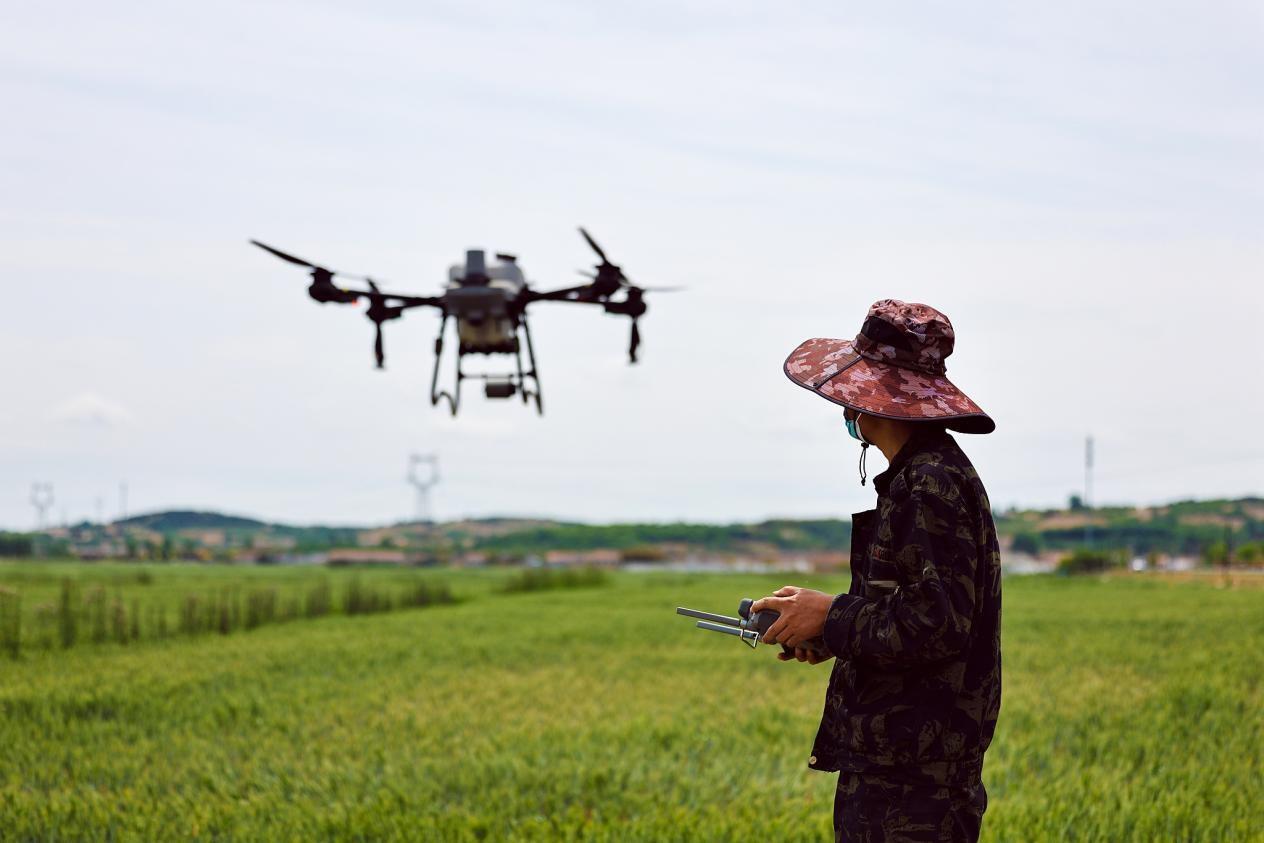
Core Insights - The central document emphasizes the importance of modernizing agriculture and rural areas, signaling a strong commitment to agricultural development and rural revitalization as part of China's broader modernization strategy [1] - The goal is to achieve a grain production of 1.43 trillion jin by 2025, ensuring food security and improving the livelihoods of farmers, which is crucial for the overall success of China's modernization [1] Group 1: Agricultural Modernization - The document highlights the need to transform agriculture into a modernized large industry, focusing on enhancing quality and efficiency rather than just increasing production scale [3] - The integration of technology, such as drones and artificial intelligence, is reshaping agricultural practices, moving from traditional methods to data-driven and algorithm-based operations [3] Group 2: Diversification and Value Addition - The concept of a "modernized large industry" includes expanding the agricultural value chain, addressing issues like "overproduction without profit" by enhancing processing and branding of agricultural products [3] - There is a push towards a diversified food supply system that includes not just traditional crops but also products from forests, grasslands, and aquatic environments, promoting health and quality in food consumption [3] Group 3: Rural Revitalization and Economic Growth - The integration of agriculture with tourism and cultural experiences is becoming increasingly important, creating new economic opportunities in rural areas and enhancing the quality of life for residents [5] - The central document outlines four key tasks and two major support guarantees for rural revitalization, emphasizing the need for sustained efforts to address rural development challenges and stimulate economic growth [5]

万宁谢幕:一个药妆时代的背影与零售变局的开端
Xin Lang Cai Jing· 2025-12-26 10:05
Core Viewpoint - Mannings will officially close all offline stores in mainland China by January 15, 2026, marking the end of its 21-year journey in the market [1][2] Company Summary - Mannings entered the mainland market in 2004, initially targeting high-end shopping malls in first-tier cities and had over 120 stores across 33 cities [2][7] - The company positioned itself as a "health and beauty product chain," offering a mix of health products, skincare, personal care, and maternal and infant products, which was innovative at the time [2][7] - The decision to withdraw is attributed to a combination of factors, including intensified competition in the retail market and rising operational costs [2][4] Industry Summary - The exit of Mannings signifies a turning point in the retail industry, reflecting profound changes faced by the sector [4][9] - The Chinese retail market has undergone significant transformation over the past decade, with e-commerce growth altering consumer shopping habits, particularly among younger generations [4][9] - Local chain pharmacies and drugstores have rapidly emerged, increasing competition, with brands like Watsons achieving greater success through flexible strategies and localized product offerings [4][9] - Consumer demand for health and beauty products has become increasingly personalized and specialized, making traditional "one-stop" drugstore models less effective [4][9][10] - Rising rents and labor costs have placed a heavy burden on physical retail, particularly in prime locations in first- and second-tier cities [10] - Mannings' shift to cross-border e-commerce indicates a strategic pivot towards a lighter asset model, focusing on cost-effective and flexible channels while still targeting Chinese consumers [3][10] - The exit serves as both a warning and an opportunity for remaining competitors, emphasizing the need for continuous innovation and enhanced consumer experience to thrive in a competitive market [6][10]
出口高增10.5%,进口跌幅收窄至0.4%--我国化妆品进出口稳舵前行
Zhong Guo Chan Ye Jing Ji Xin Xi Wang· 2025-08-27 23:31
Core Insights - In the first half of 2025, China's total retail sales of consumer goods reached 24,545.8 billion yuan, with a year-on-year growth of 5.0%. The retail sales of cosmetics amounted to 229.1 billion yuan, growing by 2.9%, which is lower than the overall retail growth rate and the first quarter's growth of 3.2% [1] Group 1: Import and Export Overview - The total import and export value of cosmetics in China for the first half of 2025 was 11.91 billion USD, marking a year-on-year increase of 2.7%, up from 1.6% in the first quarter of 2025 [1] - The import value was 8.32 billion USD, showing a slight decline of 0.4%, but the decrease was less severe compared to the previous year's drop of 12.3% [1][2] - The export value reached 3.59 billion USD, with a robust year-on-year growth of 10.5%, significantly higher than the 7.9% increase in the same period of 2024 [8] Group 2: Import Market Dynamics - The primary sources of cosmetics imports for China in the first half of 2025 were France, Japan, South Korea, the United States, and the United Kingdom, accounting for 79.3% of total imports [3] - France remained the largest import market, with imports amounting to 2.4 billion USD, a 5.0% increase year-on-year, despite previous declines [3] - Japan's imports continued to decline by 4.3% in the first half of 2025, indicating ongoing challenges for Japanese cosmetics in the Chinese market [4] Group 3: Export Market Dynamics - The top five export markets for Chinese cosmetics in the first half of 2025 were the United States, Hong Kong, the United Kingdom, Indonesia, and Japan, comprising 44.7% of total exports [9] - Exports to the United States were 650 million USD, representing 18.2% of total exports, although the share has been gradually decreasing [10] - Exports to Indonesia showed remarkable growth, with a year-on-year increase of 92.6% in the first half of 2025, highlighting the strengthening market position [11] Group 4: Product Categories - The largest category of imported cosmetics was skincare products, with an import value of 6.61 billion USD, down 2.1% year-on-year [7] - Perfume imports surged by 20.5% to 600 million USD, indicating a strong demand for this category [7] - For exports, skincare products also led with 2.01 billion USD, growing by 9.23%, while body care products saw a 12.1% increase [13]