老小区住宅

Search documents
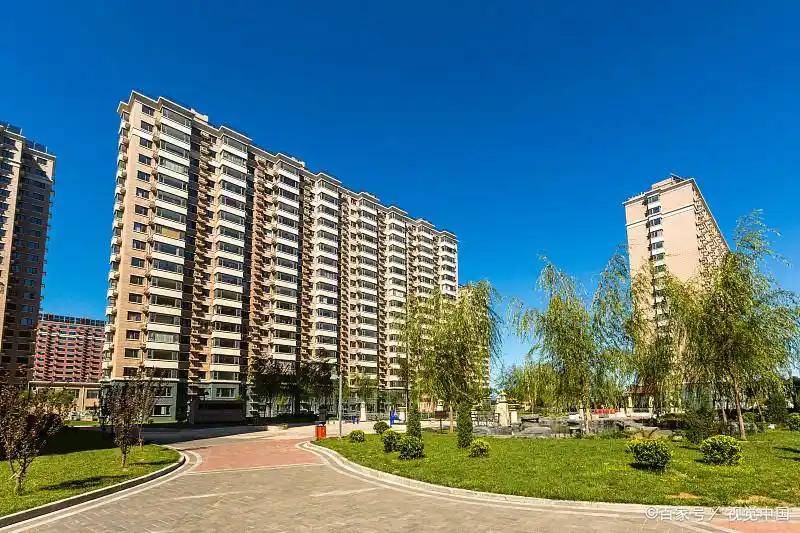
卖掉高层住宅,搬进了老小区,才发现高层住宅真的是妥妥的智商税
Sou Hu Cai Jing· 2026-01-12 20:42
Core Viewpoint - The article discusses the growing disillusionment with high-rise residential buildings, highlighting the preference for older, low-rise apartments due to practical living conditions and cost-effectiveness [1][6][10]. Group 1: Living Experience - Many buyers initially focus on the investment value and amenities of high-rise apartments, neglecting the daily living experience [1]. - High-rise buildings often face issues such as long elevator wait times, especially during peak hours, leading to frustration among residents [1][4]. - The design of high-rise buildings can result in poor natural lighting and ventilation, with some units receiving minimal sunlight [4][9]. Group 2: Cost Considerations - High-rise apartments often have a significant public area ratio, meaning that a large portion of the purchased space is not usable, leading to dissatisfaction [3][6]. - Maintenance costs for high-rise buildings are expected to rise significantly as they age, with many owners facing high repair bills [3][10]. - Property management fees for new developments are typically higher, and as facilities age, the quality of service may decline while costs increase [3][10]. Group 3: Market Trends - Older low-rise apartments are becoming increasingly attractive, often priced 20% to 30% lower than new high-rise units in the same area, making them more appealing to budget-conscious buyers [6][9]. - The government is investing in the renovation of old neighborhoods, which can enhance property values without additional costs to residents [6][10]. - There is a growing trend among younger buyers, particularly those born in the 1990s and 2000s, to prefer older apartments over new developments, valuing practicality and location over modern aesthetics [9][10]. Group 4: Future Outlook - The potential for urban renewal and the installation of elevators in older buildings may further increase their attractiveness and value [7][10]. - The article suggests that the perception of high-rise apartments as a profitable investment may be shifting towards a focus on actual living comfort and cost efficiency [10][11].

消费降级后,搬到老小区,才发现它比高层住宅舒适太多了
Sou Hu Cai Jing· 2025-10-29 02:13
Core Insights - The article discusses the benefits of moving from a high-end apartment to an older residential community, emphasizing comfort, cost savings, and community interaction. Group 1: Housing Quality and Value - Not all old residential areas are suitable; those around 15 years old are considered the "golden line" for value and comfort [2] - The current residence, built in 2010, features solid construction and well-maintained infrastructure, providing a quieter living environment compared to high-rise apartments [2] Group 2: Location and Convenience - Older residential areas are typically located in city centers, offering easy access to fresh markets and schools, significantly reducing daily commuting time [3] Group 3: Cost Savings - Living in an older community results in substantial cost savings, with annual expenses for property management and parking reduced from nearly 7000 to about 240, saving around 10,000 annually [7][8] Group 4: Community and Neighborly Relations - The sense of community in older neighborhoods fosters warm interactions among residents, contrasting sharply with the isolation often felt in high-rise living [10][11] - Neighbors share food and help each other, creating a supportive environment that enhances the quality of life [10][11] Group 5: Lifestyle and Personal Satisfaction - The article highlights the importance of a comfortable living environment over superficial luxury, suggesting that the essence of a home lies in its ability to provide peace and satisfaction [12]
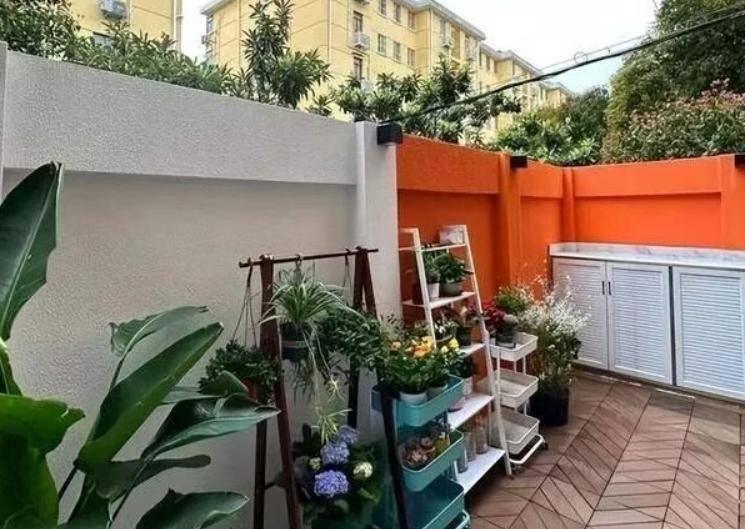
卖掉高层33楼,搬回步梯房老小区住,才发现高层住宅才是妥妥的智商税
Sou Hu Cai Jing· 2025-10-05 08:04
Core Insights - A growing trend is emerging where individuals are moving away from high-rise luxury apartments to older, quieter neighborhoods, reflecting a deeper reconsideration of the essence of living and a return to value [2][4][10] Group 1: Shift in Housing Preferences - The case of Anbo illustrates a significant shift, as he sold his high-rise apartment at a 28% discount from the listing price, revealing the hidden costs associated with modern luxury living [3][4] - Recent data shows that the vacancy rate for high-rise buildings over 100 meters is at 41%, while viewings for older neighborhoods have surged by 67%, indicating a reevaluation of what constitutes a desirable living space [4][8] Group 2: Quality of Life in Older Communities - Anbo's family experienced numerous issues living in a high-rise, including psychological impacts from elevator malfunctions and inadequate property management services, highlighting the drawbacks of modern high-rise living [5][6] - In contrast, moving to an older community restored a sense of familiarity and warmth, with neighbors forming connections and transforming shared spaces into vibrant community areas [6][10] Group 3: Changing Real Estate Market Dynamics - There is a notable market divide, with luxury properties in cities like Shenzhen remaining unsold despite significant price reductions, while smaller, older homes with desirable school district access are being fiercely competed for [8][10] - The focus has shifted from mere price and aesthetics to the emotional and practical benefits of housing, as evidenced by new policies emphasizing community living and the disappearance of terms like "skyscraper" from real estate discussions [8][10]

卖掉高层33楼,搬回步梯房老小区住,才发现高层才是妥妥的智商税
Sou Hu Cai Jing· 2025-07-28 04:34
Core Viewpoint - There is a growing trend of individuals selling high-rise apartments to move back to older residential communities, reflecting a shift in the perception of living environments and values [1][3]. Group 1: Reasons for Moving from High-Rise to Old Communities - The sale of a high-rise apartment was made at a price 25% lower than the listing price, highlighting the perceived overvaluation of such properties [3]. - High-rise apartments have a public area ratio of 27%, leading to dissatisfaction with the actual usable space [5]. - The monthly property management fee for high-rise apartments is significantly higher, with one case showing a fee of 9.8 yuan per square meter, which is over three times that of older communities [9]. - Living in high-rise buildings can be inconvenient due to reliance on elevators, with long wait times during peak hours [11]. - Safety concerns are prevalent in high-rise living, with fears of fire hazards and inadequate escape routes in emergencies [13]. Group 2: Benefits of Moving to Older Communities - After moving to an older community, residents report a warmer community atmosphere and increased social interactions compared to the isolation of high-rise living [15]. - Daily expenses significantly decrease after relocating, with one case showing a reduction from approximately 22,000 yuan to under 10,000 yuan per month, resulting in annual savings of 200,000 yuan [17]. - The essential amenities in older communities are often comparable to those in high-rise areas, with lower prices for daily necessities, such as vegetables costing 5-6 yuan per pound compared to 11 yuan in the previous location [19][20]. - The real estate market is experiencing a split, with high-end properties facing declining interest while older homes with practical benefits, such as school admission qualifications, are highly sought after [22].