肉糕

Search documents
“今年春节,我终于跟它们和解了”
3 6 Ke· 2026-02-17 02:16
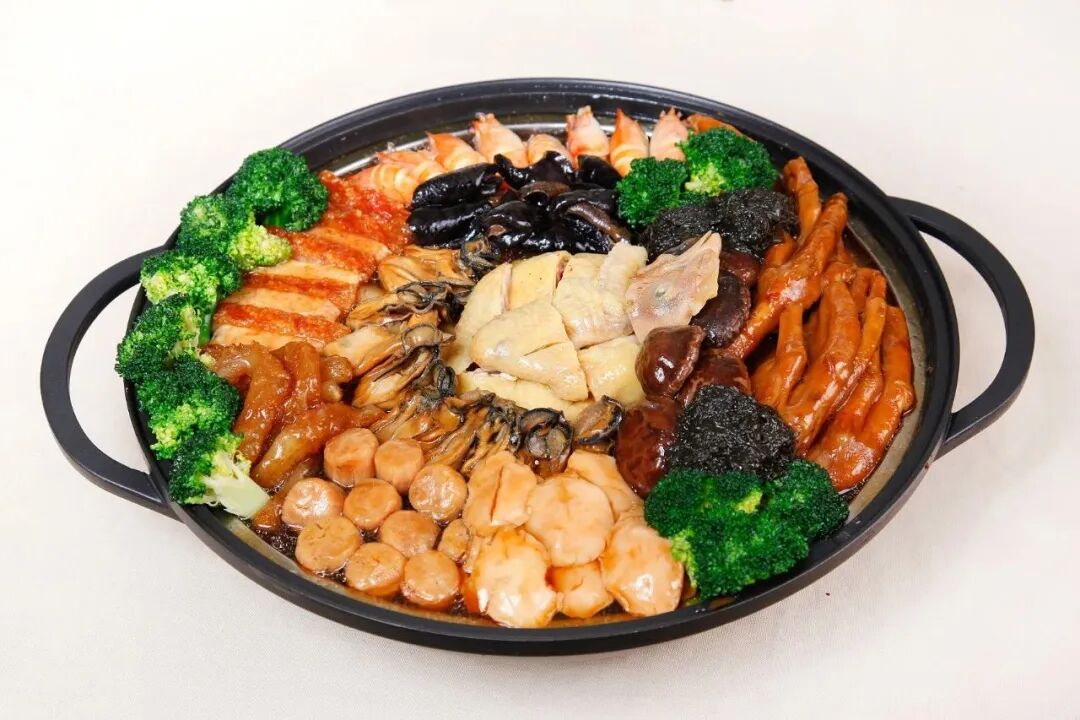
Group 1 - The article discusses the nostalgic relationship people have with traditional foods during the Spring Festival, highlighting how childhood dislikes can transform into fond memories over time [1] - It emphasizes the importance of food in cultural identity and family gatherings, particularly during significant occasions like the Spring Festival [9][10] - Various regional dishes are mentioned, showcasing the diversity of traditional foods across different provinces in China, such as "盆菜" in Guangdong and "年粽" in Guangxi [2][23] Group 2 - The article describes the preparation and significance of "笼糕" in South China, illustrating the familial bonds formed through cooking and sharing meals [10][11] - It highlights the evolution of taste preferences as individuals grow older, with examples of people rediscovering traditional foods they once disliked, such as lamb soup and blood dishes in Northeast China [18][20] - The narrative also touches on the decline of traditional food preparation practices, as modern conveniences change how families celebrate and share meals [27][28] Group 3 - The article notes the regional variations in traditional foods, such as "扁食" in Shanxi, and how these dishes reflect local customs and family traditions [33][35] - It discusses the communal aspect of food preparation and consumption, emphasizing that sharing meals strengthens familial and social ties [9][10] - The piece concludes with a reflection on the importance of preserving culinary traditions and the emotional connections tied to these foods [27][30]

【年味麻城】新春盛典乡村年味格外浓
Xin Lang Cai Jing· 2026-02-12 11:18
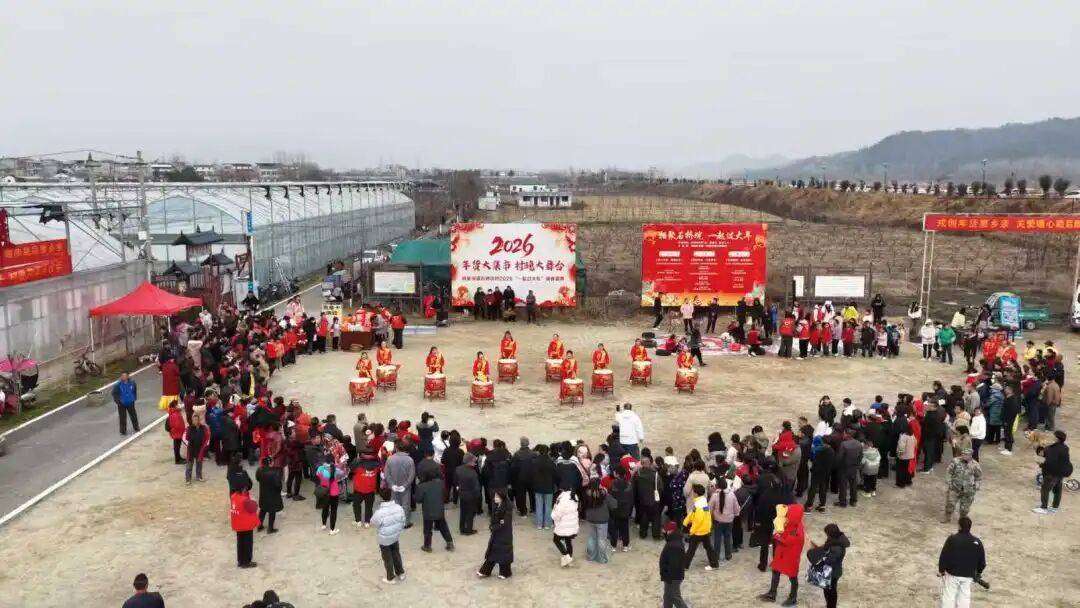
Core Viewpoint - The event "2026 Village Spring Festival" held in Shiqiao Village aims to create a vibrant rural celebration that integrates culture, industry, and livelihood, showcasing local products and cultural performances to enhance community engagement and economic vitality [1][10]. Group 1: Cultural and Economic Integration - The Spring Festival features a variety of cultural performances, including dragon and lion dances, and showcases local agricultural products through direct sales from farmers and cooperatives [1][3]. - The event includes a "Rural New Year Goods Market" that offers local specialties and fresh produce, allowing visitors to purchase all their New Year goods in one visit [3]. - Traditional food interactive areas allow visitors to experience and taste local culinary traditions, enhancing cultural appreciation and community involvement [3][10]. Group 2: Community Engagement and Social Services - The festival includes interactive games and activities for all ages, promoting community participation and enjoyment [7]. - Volunteer initiatives provide educational support for children and assistance to elderly residents, fostering a sense of community and care [7][9]. - Special events such as collective birthday celebrations for villagers and communal meals for the elderly promote social cohesion and warmth within the community [7][10].