
福白菊

Search documents
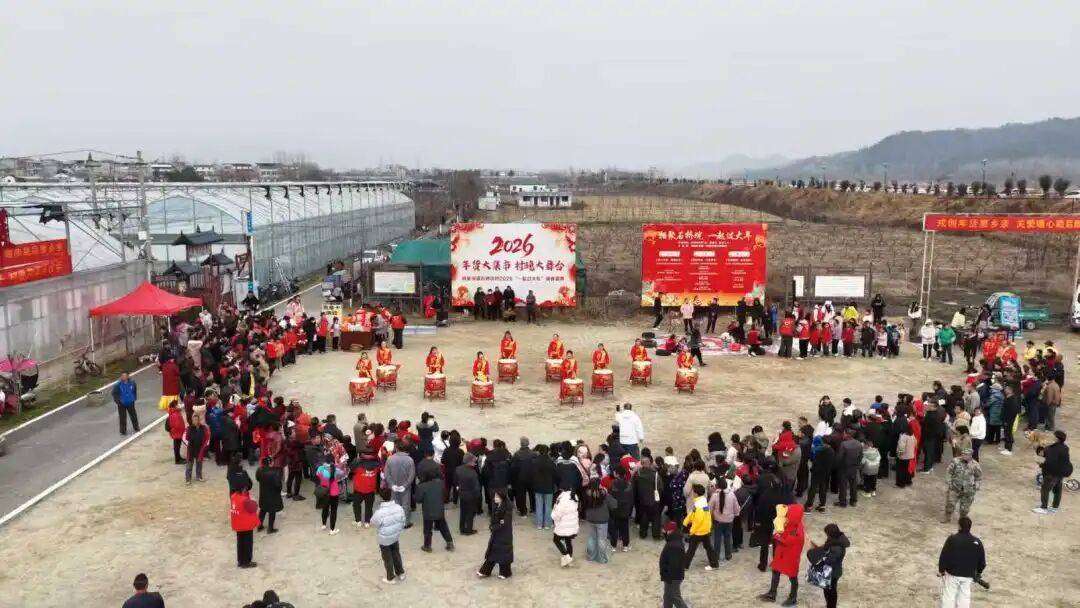
【年味麻城】新春盛典乡村年味格外浓
Xin Lang Cai Jing· 2026-02-12 11:18
Core Viewpoint - The event "2026 Village Spring Festival" held in Shiqiao Village aims to create a vibrant rural celebration that integrates culture, industry, and livelihood, showcasing local products and cultural performances to enhance community engagement and economic vitality [1][10]. Group 1: Cultural and Economic Integration - The Spring Festival features a variety of cultural performances, including dragon and lion dances, and showcases local agricultural products through direct sales from farmers and cooperatives [1][3]. - The event includes a "Rural New Year Goods Market" that offers local specialties and fresh produce, allowing visitors to purchase all their New Year goods in one visit [3]. - Traditional food interactive areas allow visitors to experience and taste local culinary traditions, enhancing cultural appreciation and community involvement [3][10]. Group 2: Community Engagement and Social Services - The festival includes interactive games and activities for all ages, promoting community participation and enjoyment [7]. - Volunteer initiatives provide educational support for children and assistance to elderly residents, fostering a sense of community and care [7][9]. - Special events such as collective birthday celebrations for villagers and communal meals for the elderly promote social cohesion and warmth within the community [7][10].

药香伴旅程:一张文旅融合的“中国方”
Xin Lang Cai Jing· 2025-12-25 20:25
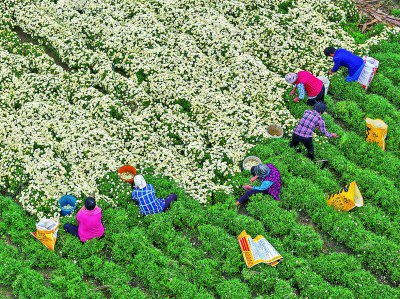
Core Insights - The article discusses the integration of traditional Chinese medicine (TCM) with tourism, highlighting various regions in China that are successfully combining local medicinal resources with travel experiences to enhance both cultural appreciation and economic development [11][12][13][14][15][16][17][18][19][20]. Group 1: Regional Practices - In Jilin's Fusong County, the local government is promoting tourism by integrating the region's famous ginseng with winter sports, creating unique experiences such as ginseng chicken soup at marathon events and interactive ice sculptures [12][13]. - Guangxi's Yulin City has transformed its spice market into a cultural hub, offering visitors hands-on experiences with spices and promoting local products, which has significantly increased tourist interest and local income [14][15]. - Hubei's Macheng has developed its chrysanthemum industry into a profitable venture by enhancing product quality and creating engaging tourist activities, resulting in a substantial increase in visitor numbers and local economic benefits [16][17]. - Gansu's Qingcheng is leveraging its historical significance as the birthplace of TCM to develop a comprehensive healthcare tourism model, integrating modern technology with traditional practices to enhance service delivery and attract tourists [18][19][20]. Group 2: Economic Impact - The integration of TCM and tourism has led to increased local employment and income, with regions reporting significant economic growth as a result of enhanced tourist experiences and product offerings [12][14][16][18]. - The development of cultural and experiential tourism around TCM has created new business opportunities for local farmers and entrepreneurs, leading to a more sustainable economic model [13][15][17][19]. - The article highlights the potential for TCM tourism to become a major economic driver, with projections for significant increases in visitor numbers and revenue generation in the coming years [20].
湖北将打造千亿级中药材全产业链
Chang Jiang Shang Bao· 2025-08-11 23:29
Core Viewpoint - The Hubei Provincial Rural Work Leading Group has issued the "Three-Year Action Plan for Revitalizing Hubei Authentic Medicinal Materials (2025-2027)", aiming to enhance the quality and market presence of local medicinal herbs, promote the development of leading enterprises, and expand both domestic and international markets [1][2]. Group 1: Action Plan Objectives - The plan focuses on key varieties such as Qiai and Fubai chrysanthemum, selecting leading counties for each variety to promote coordinated development across the medicinal materials industry [1]. - By 2027, the plan aims to stabilize the planting area of traditional Chinese medicinal materials at approximately 5.6 million acres, with ecological planting of authentic medicinal materials reaching 2.8 million acres [1]. - The plan targets an industry output value exceeding 100 billion yuan for the entire medicinal materials supply chain [1]. Group 2: Technological and Quality Enhancements - Hubei will release a directory of authentic medicinal materials and promote suitable planting practices, focusing on the "Top Ten Hubei Medicines" and establishing around 30 main production counties [2]. - The plan includes the implementation of a 515 action for agricultural industry chain technology services, promoting new ecological planting techniques and enhancing quality assurance in medicinal materials [2]. - Emphasis is placed on technological innovation to support the transformation of medicinal materials into medicines, including research on the mechanisms of authentic medicinal materials and the development of traditional Chinese medicine preparations [2]. Group 3: Supply Chain and Market Development - The plan aims to enhance the trading market for authentic medicinal materials and create a comprehensive online service platform for the industry [2]. - It includes the construction of storage facilities for medicinal materials at production bases and the establishment of a logistics hub for medicinal materials in Hubei [2].