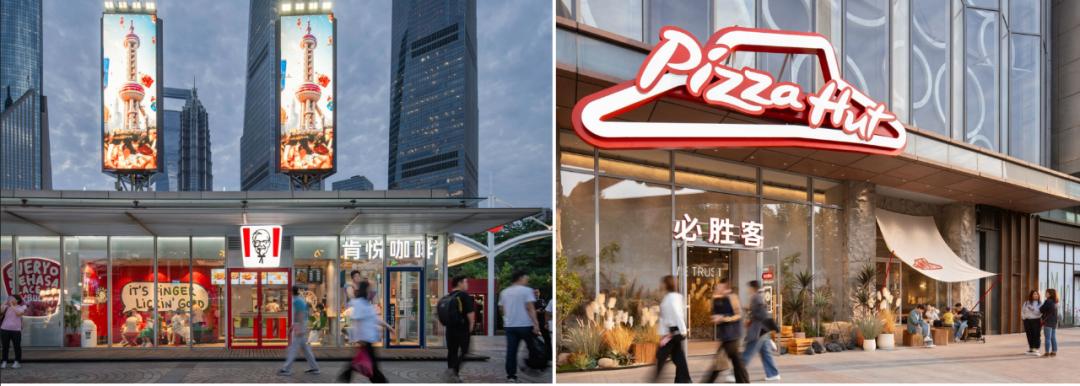
肯悦咖啡(K Coffee)

Search documents
万店巨头再打9.9元价格战,“中国版肯德基”杀入红海市场
创业邦· 2026-02-18 01:08
Core Viewpoint - The introduction of the "9.9 yuan" coffee monthly card by Wallace, a fast-food brand, is a strategic move to attract customers and increase sales frequency, amidst ongoing price wars in the coffee market [6][10]. Group 1: Company Overview - Wallace, founded in 2001, is known for its low-priced Western fast food, primarily targeting lower-tier cities in China, and has over 19,000 stores, making it a significant player in the market [4][8]. - The company has faced challenges, including food safety issues and a low profit margin of 2.88% in 2024, prompting a strategic shift to improve operational efficiency [10]. Group 2: Market Context - The coffee market has seen intense competition, with brands like Luckin and Kudi previously engaging in aggressive pricing strategies, leading to a "coffee war" that has influenced consumer expectations [6][19]. - The introduction of low-priced coffee options by fast-food chains is part of a broader trend to enhance customer experience and increase average transaction values [6][19]. Group 3: Strategic Implications - Wallace's "9.9 yuan" coffee monthly card aims to leverage low pricing as a means to drive traffic to its core fast-food offerings, similar to strategies employed by McDonald's and KFC [16][19]. - However, the sustainability of such low-price strategies is questioned, as they may lead to low customer loyalty and potential harm to brand value in the long term [19].





百胜中国20260205
2026-02-10 03:24
Summary of YUM China Conference Call Company Overview - **Company**: YUM China - **Key Brands**: KFC, Pizza Hut - **Market Position**: Leading market share in the domestic chain restaurant sector, approximately 8% market share [7] Financial Performance - **2025 Revenue**: $11.797 billion, adjusted net profit of $929 million, with year-on-year growth of 4% and 2% respectively [2][13] - **CAGR (2019-2025)**: Revenue CAGR of approximately 6%, net profit CAGR of about 4% [2][13] - **KFC Contribution**: 75% of total revenue, Pizza Hut contributes 20% [2][13] Future Projections - **2026-2028 Expectations**: Same-store sales growth of 0-2%, system sales growth in the high single digits, operating profit growth in the high single digits, and double-digit EPS growth [2][16][31] - **Store Expansion Goal**: Targeting over 30,000 stores by 2030, with plans to increase store count from approximately 18,100 in 2025 [2][17][32] Brand Performance KFC - **Store Count**: Approximately 13,000 stores in China by the end of 2025 [2][20] - **Sales Growth**: System sales and total revenue growth of approximately 5% and 4% respectively, with a restaurant profit margin of 17.4% [2][20] - **Expansion Plans**: New store formats like K Pro, K Coffee, and mini-stores, aiming for 17,000 stores by 2028 [2][21] Pizza Hut - **Store Count**: Approximately 4,200 stores in China by the end of 2025 [2][22] - **Delivery Share**: 48% of sales from delivery, with membership numbers reaching 590 million [2][22] - **Future Goals**: Maintain high single-digit CAGR for system sales and double-digit growth for operating profit, aiming for over 6,000 stores by 2028 [2][22] Industry Insights - **Restaurant Industry Recovery**: Positive trends in the restaurant industry for Q1 2026, with improved same-store sales and customer spending [3] - **Market Size**: The chain restaurant market in China is approximately ¥1.26 trillion, with significant growth potential, especially in lower-tier cities [5][19] - **Urbanization Impact**: Urbanization rate increasing from 61% in 2019 to 67% in 2024, driving market opportunities in lower-tier cities [19] Operational Efficiency - **AI Implementation**: Enhanced operational efficiency with a 55% increase in marketing effectiveness and a 170 basis point reduction in rent costs as a percentage of sales [3][30] - **Capital Expenditure Reduction**: KFC and Pizza Hut reduced capital expenditures by 35% and 50% respectively [3][30] Franchise Model - **Franchise Expansion**: Plans to increase franchise stores to over 5,000 by 2030, representing more than 20% of total stores [3][18] Consumer Trends - **Single Dining Market Growth**: Significant growth in the single dining market, prompting adjustments in menu pricing and offerings [23] - **New Store Formats**: Introduction of satellite stores and dual-brand stores (KFC and Pizza Hut) to cater to evolving consumer preferences [28] Conclusion YUM China is positioned for growth with a strong market presence, innovative expansion strategies, and a focus on operational efficiency. The company aims to leverage its leading brands, KFC and Pizza Hut, to capitalize on the recovering restaurant industry and urbanization trends in China.
百胜中国中报出炉,CEO说外卖大战底线是绝不会“buy sales”,有信心全年净新增1600至1800家店
3 6 Ke· 2025-08-06 03:07
Core Viewpoint - Yum China is employing a "balancing act" strategy to navigate the intense competition in the food delivery market while maintaining sales growth and profit improvement [1][3]. Financial Performance - In Q2, Yum China's total revenue increased by 4% year-on-year, reaching $2.8 billion, while operating profit grew by 14% to $304 million, marking a new high for the second quarter [18]. - Same-store sales rose by 1%, driven by a 2% increase in same-store transaction volume, achieving positive growth for the first time since Q1 2024 [1][21]. - For the first half of the year, total revenue was $5.768 billion, a 2% increase, and operating profit rose by 10% to $703 million [18]. Delivery Business Growth - Yum China's delivery sales grew significantly, with a 17% year-on-year increase in the first half of the year, including an 18% increase for KFC and a 14% increase for Pizza Hut [4]. - Delivery accounted for approximately 45% of the company's restaurant revenue in Q2, up 7 percentage points year-on-year [4]. - The company has a strategy to balance delivery growth with profit margins, focusing on maintaining pricing integrity while expanding sales [7][12]. Cost Management - Rising delivery sales have led to increased rider costs, which the company is managing by optimizing operations and controlling non-rider costs [9][11]. - In Q2, salaries and employee benefits accounted for 27.2% of sales, up 0.9 percentage points year-on-year, primarily due to increased rider costs [9]. - Despite the challenges, both KFC and Pizza Hut maintained profit margins through streamlined operations and favorable raw material prices [9][18]. Store Expansion Strategy - Yum China added 583 new stores in the first half of the year, bringing the total to 16,978, with KFC contributing 590 new stores and Pizza Hut adding 140 [19]. - The company plans to maintain its target of adding 1,600 to 1,800 new stores in 2025, with a focus on increasing the proportion of franchise stores [24][26]. Future Outlook - The company expects to achieve mid-single-digit growth in system sales for the year, despite a complex macro environment [23]. - Yum China is confident in its ability to meet its annual targets for new store openings and sales growth, supported by a series of new initiatives [28].