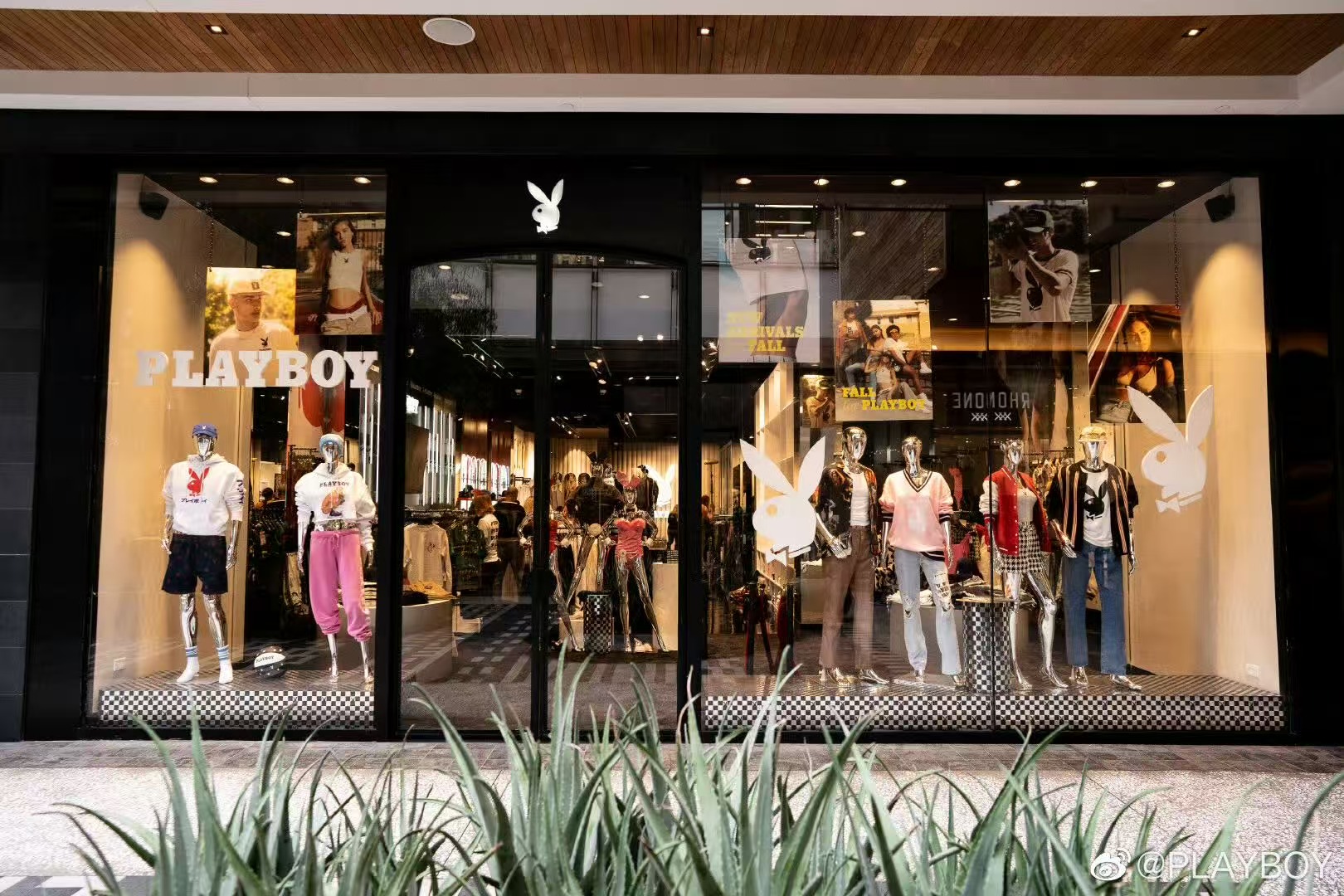
花花公子男装

Search documents
花花公子卖中国业务50%股权
Di Yi Cai Jing Zi Xun· 2026-02-11 20:12
Core Viewpoint - Playboy is restructuring its business in China after years of rapid growth, selling a 50% stake in its Chinese operations to UTG Group for $122 million, which includes all operational rights in mainland China, Hong Kong, and Macau [2] Group 1: Business Strategy and Changes - The sale to UTG Group aims to address issues stemming from excessive brand licensing and management challenges that have led to a decline in brand image and quality [3][4] - Playboy's brand management center was established in China in 2020 to tackle historical issues and improve brand perception, indicating a recognition of the need for better control over its brand [2][3] Group 2: Market Challenges - The brand has faced significant challenges, including the proliferation of counterfeit products and a blurred line between genuine and fake merchandise, leading to consumer confusion [3] - Quality issues have arisen from licensed manufacturers prioritizing sales over product quality, resulting in a tarnished brand reputation [3][4] - The rise of domestic brands and changing consumer preferences among younger generations have further pressured Playboy's market share [4] Group 3: Future Prospects - UTG Group's experience with international brands and understanding of the Chinese market may help in consolidating fragmented licensing and combating counterfeiting [4] - The transition from merely licensing the brand to actively managing it will require time and effort to prove effective in revitalizing Playboy's presence in China [4]

花花公子卖中国业务50%股权
第一财经· 2026-02-11 11:57
Core Viewpoint - Playboy's strategy in the Chinese market has shifted from aggressive brand licensing to a more controlled approach, as evidenced by the sale of a 50% stake in its Chinese operations to UTG Group for $122 million, aiming to address brand dilution and operational challenges [3][5]. Group 1: Brand Licensing Challenges - Playboy experienced rapid expansion in China through extensive brand licensing, leading to a high market penetration but also to brand dilution and confusion among consumers due to the proliferation of counterfeit products [3][4]. - The brand's image has deteriorated over time, with quality issues arising from licensed manufacturers seeking to cut costs, resulting in products being perceived as low-quality or "street goods" [4][5]. - Ongoing disputes with licensing partners have further complicated the brand's operations, highlighting the challenges of maintaining brand integrity in a fragmented market [5]. Group 2: Market Dynamics and Consumer Trends - The initial success of Playboy in China was attributed to its early entry into the market when competition was minimal and consumer interest in foreign brands was high, but this advantage has diminished as local brands have emerged and consumer preferences have shifted [5]. - The brand has struggled to connect with the younger generation (Gen Z), leading to a continuous loss of market share as consumer tastes evolve [5]. Group 3: Future Prospects with UTG Group - The acquisition by UTG Group, which has experience managing international brands in China, is seen as a potential turning point for Playboy, with hopes of consolidating brand management and addressing the issues of unauthorized licensing and counterfeit products [5]. - The transition from merely licensing the brand to actively managing it will require time and effort to restore Playboy's reputation and market position in China [5].
花花公子1.22亿美元卖中国业务“半壁江山”,能否告别“卖商标”时代?
Di Yi Cai Jing· 2026-02-11 10:58
Core Viewpoint - The era of "quick money from licensing" is over for Playboy, which is now seeking to restructure its business in China after years of chaotic growth and brand dilution [1][6]. Group 1: Business Transaction - Playboy announced the sale of 50% of its Chinese business to UTG Group for $122 million, which includes operational rights in mainland China, Hong Kong, and Macau [1]. - UTG Group has experience managing international brands in China, which may help address the issues Playboy has faced in the market [6]. Group 2: Brand Challenges - Playboy's brand image has suffered due to excessive licensing, leading to confusion between genuine and counterfeit products, with many unauthorized variations flooding the market [3]. - Quality issues have arisen from licensed manufacturers prioritizing sales over product quality, resulting in complaints and a tarnished brand reputation [3]. - Ongoing disputes with licensing partners have further complicated Playboy's brand management in China [4]. Group 3: Market Dynamics - The initial success of Playboy in China was attributed to early market entry and a lack of competition, but the brand now faces challenges from local competitors and changing consumer preferences [5]. - The brand's failure to connect with the Gen Z consumer demographic has led to a decline in market share, highlighting the need for a strategic shift [5]. Group 4: Future Outlook - The transition from merely licensing the brand to actively managing it will require time and effort, as the market has evolved beyond the previous model of quick profits from brand licensing [6].