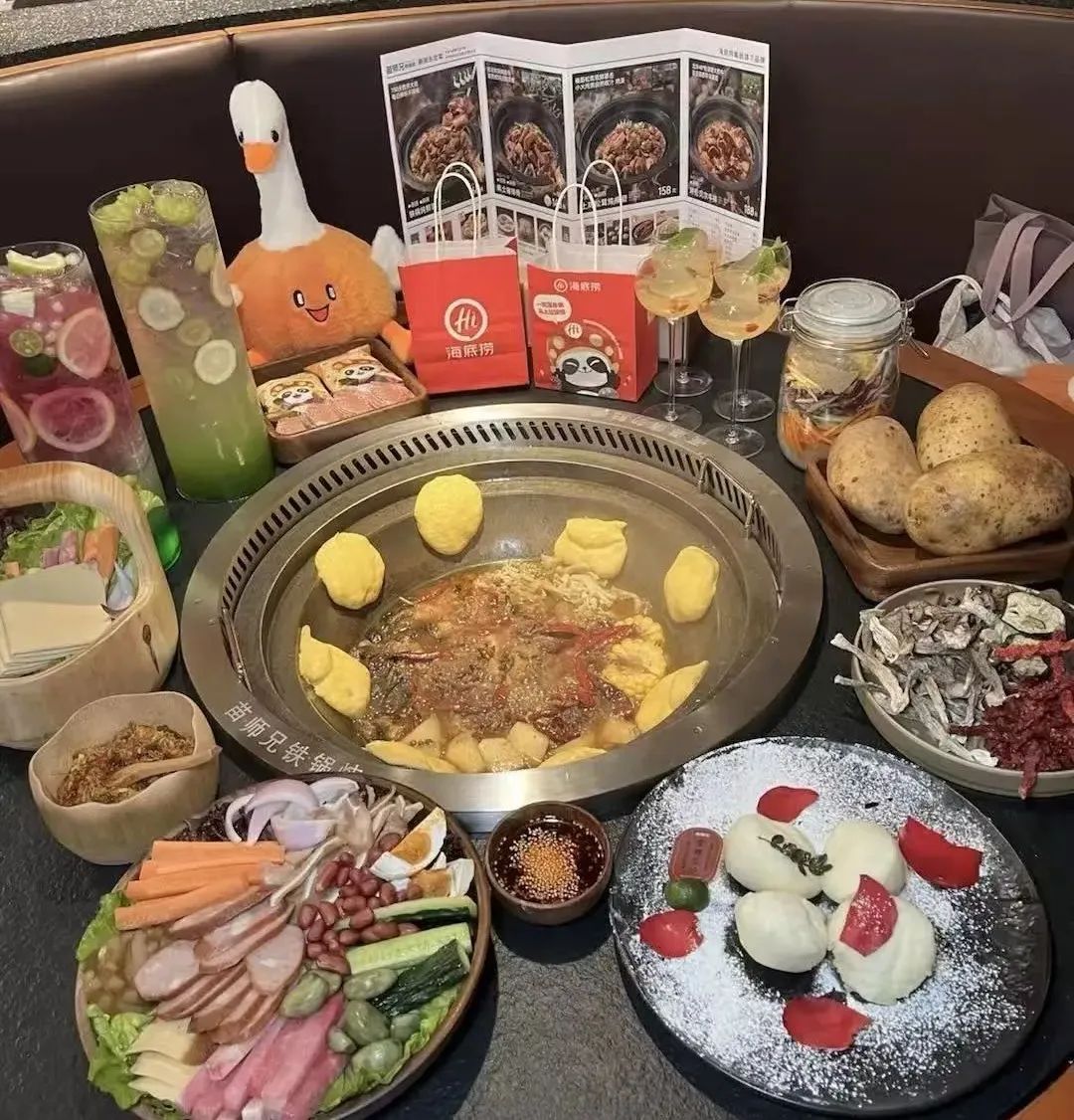
苗师兄铁锅炖

Search documents
海底捞求变:高端化与下沉市场能否兼得?
Xin Lang Cai Jing· 2025-08-07 10:40
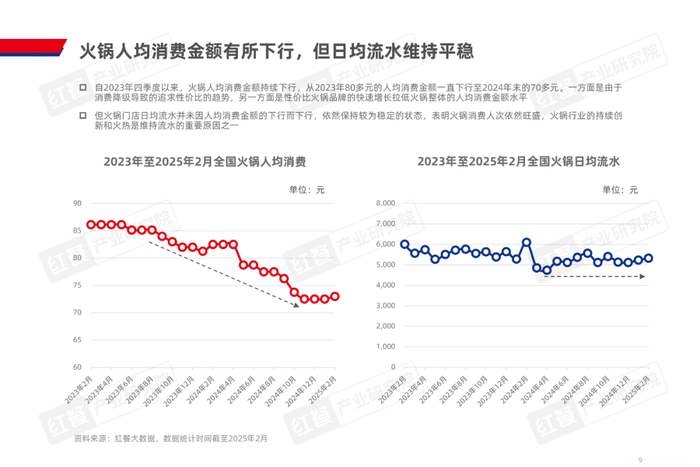
Group 1 - The core viewpoint of the articles indicates that Haidilao is facing challenges in its main hot pot business due to market saturation and declining consumer spending, prompting the company to explore new business lines to sustain growth [1][2][5][9] - Haidilao's first premium store opened in Beijing, featuring high-quality ingredients and a significantly higher average spending of around 700 RMB per guest, which is seven times that of regular stores [1] - Concurrently, Haidilao is launching budget-friendly dining options, such as the "Jugaogao Self-Service Hot Pot" with a price of 59.9 RMB per person, indicating a dual strategy to target both high-end and budget markets [1][10] Group 2 - The hot pot market in China is experiencing a slowdown, with a projected growth rate of only 5.3% in 2025, down from double-digit growth in previous years, leading to a reduction in the number of hot pot restaurants [2][9] - Haidilao's total number of self-operated restaurants decreased to 1,355 by the end of 2024, reflecting a decline in its market presence [2] - The average spending per guest has also declined, with figures dropping from 104.9 RMB in 2022 to 97.5 RMB in 2024, indicating a decrease in consumer spending power [7][9] Group 3 - Haidilao's revenue for 2024 was 42.75 billion RMB, with a year-on-year growth of only 3.1%, while net profit grew by 4.6% to 4.708 billion RMB, suggesting stagnation in growth [9] - The company is actively pursuing new business initiatives under the "Pomegranate Plan," which aims to foster innovation and develop new restaurant brands, with an average of 200 new projects proposed daily [10][14] - Despite its strong supply chain capabilities, Haidilao faces intense competition in the restaurant industry, particularly in the small hot pot segment, which is characterized by low prices and high competition [15][19] Group 4 - The competitive landscape for Haidilao's new ventures is challenging, as many of the targeted markets are already saturated, making it difficult to establish a differentiated competitive advantage [15][22] - Haidilao's historical success in the mid-to-high-end hot pot market was largely due to its focus on service quality, which may not easily translate to its new business models [21][22] - The company must find a unique value proposition in its new offerings to avoid homogenization and maintain profitability, as simply replicating its previous service model may not suffice [22]


海底捞开卖铁锅炖,人均65元,还有扭秧歌表演......
3 6 Ke· 2025-07-04 12:17
Core Viewpoint - The company "Miao Shixiong," a sub-brand of Haidilao, is launching a new restaurant model focused on "Iron Pot Stew" cuisine, aiming to diversify its offerings and attract a younger demographic in Zhengzhou [1][2][16]. Group 1: New Store Launch - Miao Shixiong has opened a new restaurant called "Miao Shixiong Iron Pot Stew · New Northeastern Cuisine" in Zhengzhou, which is currently the only location of this new format [1][2]. - The restaurant features a diverse menu with approximately 60 SKUs, including iron pot dishes, handmade noodles, Northeastern specialties, snacks, desserts, staple foods, and beverages, with an average spending of over 60 yuan per person [2][4]. Group 2: Menu Highlights - Signature dishes include the iron pot stew of big goose, chicken with matsutake mushrooms, black soil pork ribs, and Hohhot beef steak [4]. - The restaurant emphasizes the use of fresh ingredients, with over 70% sourced from the Changbai Mountain area, and features a transparent ingredient display cabinet [6][8]. Group 3: Customer Experience - The restaurant adopts a "Haidilao-style service," including nightly talent shows and interactive performances by staff dressed in traditional costumes, enhancing the dining experience [8][15]. - Customers can enjoy free drinks and snacks at the entrance, and there is a DIY area for making ice powder, promoting customer engagement [8]. Group 4: Brand Evolution - Miao Shixiong has undergone multiple transformations since its inception, originally starting with a focus on stir-fried chicken and later expanding into various food categories, including barbecue and hot pot [16][19]. - The brand's strategy includes targeting younger consumers and adapting to market trends, as seen in its recent offerings and store formats [19][22].