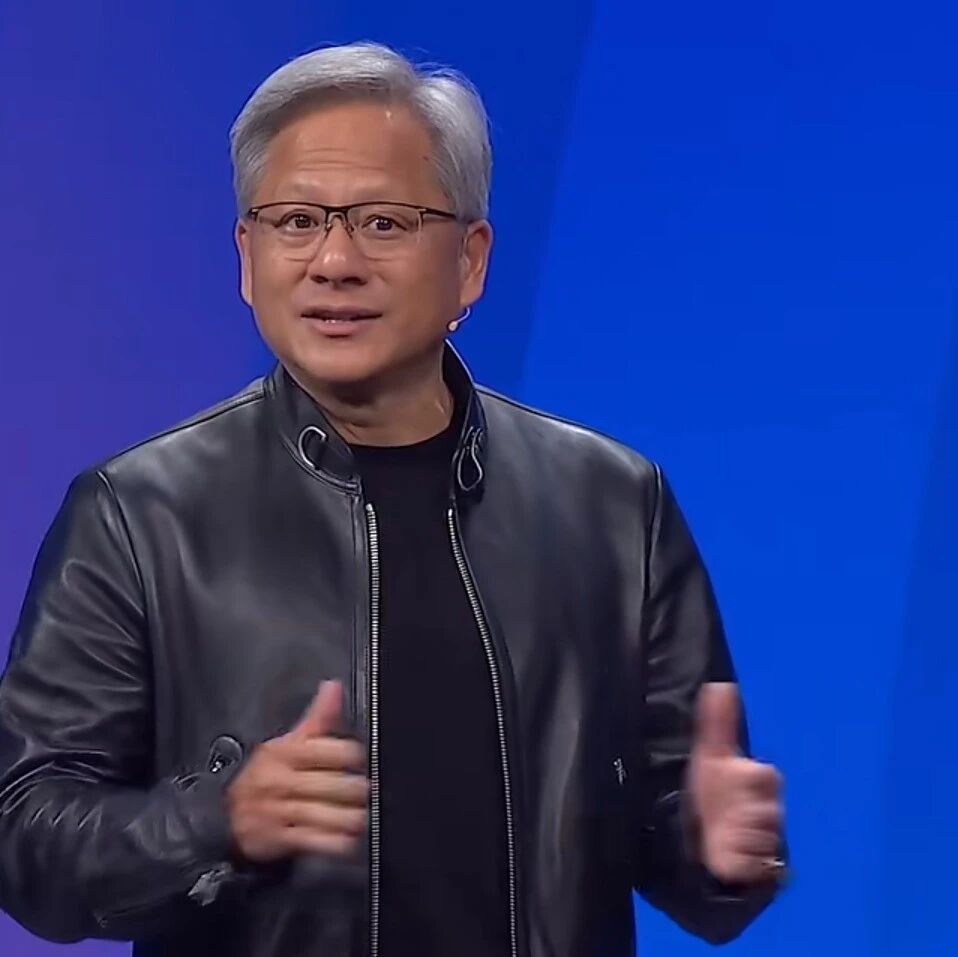
英伟达H200处理器

Search documents
空欢喜!英伟达H200停产
Xin Lang Cai Jing· 2026-03-06 07:32
Core Viewpoint - Nvidia has ceased production of its H200 processors tailored for the Chinese market, indicating a lack of short-term sales expectations for this product in China [1][3]. Group 1: Production Changes - Nvidia has informed TSMC to reallocate production capacity away from the H200 to focus on the Vera Rubin chip [3]. - This decision reflects Nvidia's pessimism regarding the H200's sales prospects in the Chinese market [3]. Group 2: Regulatory Context - In mid-January, the U.S. government announced a relaxation of export regulations for Nvidia's H200 chips to China, which led Nvidia's CEO Jensen Huang to state that the supply chain for H200 had been restarted and that demand from Chinese customers was "very high" [3]. - Despite the U.S. government's approval for limited H200 product exports to China, Nvidia's CFO Colette Kress revealed that the company has not sold any H200 chips to Chinese firms and remains uncertain about future sales [3]. Group 3: Market Sentiment - Commentary from C114 suggested that Nvidia's ability to conduct substantial and long-term business in China is hindered by a lack of mutual trust between the U.S. and China [3]. - Bloomberg reported that ongoing tightening of advanced AI chip export controls by the U.S. has imposed multiple restrictions on the sales of the H200 in the Chinese market [3].

刚刚,黄仁勋否认
半导体行业观察· 2026-01-30 02:43
Core Viewpoint - Nvidia's CEO Jensen Huang refuted claims that the U.S. plans to transfer 40% of Taiwan's semiconductor capacity to the U.S., asserting that the construction of global fabs represents new capacity rather than a transfer of existing capacity [2] Group 1: Semiconductor Capacity and Production - Huang emphasized that TSMC must expand globally to meet the surge in AI-driven chip demand while maintaining Taiwan's core market status [2] - He explained that current wafer demand exceeds Taiwan's physical grid capacity, making overseas production a necessity rather than a political strategy [2] - Despite TSMC's plans to build and expand fabs in the U.S., Europe, and Japan, the majority of production will remain in Taiwan due to its unmatched manufacturing ecosystem [2] Group 2: Importance of Memory and Chip Supply - For Nvidia, substantial capacity in both Taiwan and the U.S. is crucial, with sufficient memory (HBM, DDR5, GDDR7, LPDDR5X, NAND flash) being as important as logic chip capacity [3] - Huang stated that the company is closely collaborating with major HBM suppliers—Samsung, SK Hynix, and Micron—to ensure chip supply for the next-generation AI accelerator, Rubin [3] Group 3: Geopolitical Considerations - Huang discussed the need for legislators to balance three conflicting goals: national security, technological leadership, and economic competitiveness [3] - He refuted comments from Anthropic's CEO regarding the export of advanced AI processors to China, clarifying that the U.S. government has determined that selling Nvidia's H200 processors to Chinese entities does not compromise national security [3] - Huang noted that the approval for these processors to enter the Chinese market now depends on the Chinese government, as Nvidia awaits regulatory approval [3] Group 4: Engagements in Taiwan - During his visit to Taiwan, Huang plans to attend internal Nvidia meetings and Lunar New Year events, as well as meet with TSMC founder Morris Chang and Chairman Mark Liu [3]