萨哈林1号油气项目

Search documents
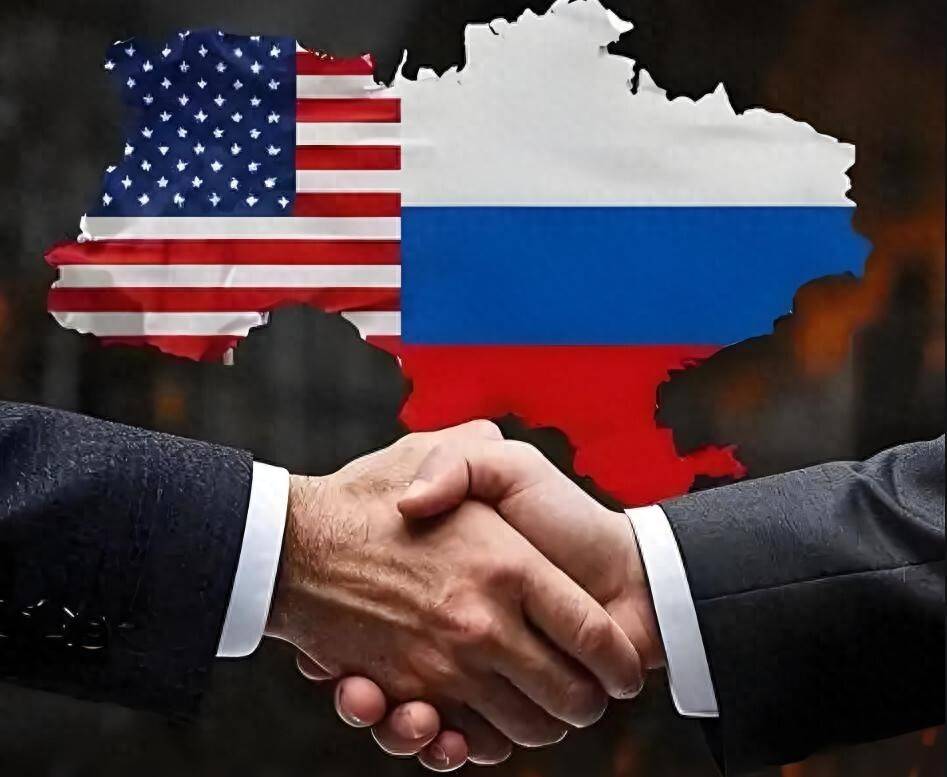
观察|特朗普的俄乌“和平计划”背后:生意,生意,还是生意
Xin Lang Cai Jing· 2025-12-04 00:16
Core Insights - The article discusses the ongoing negotiations led by U.S. Special Envoy Steve Witkoff regarding the Ukraine conflict, emphasizing a business-oriented approach to resolving geopolitical issues [1][3][20] - Witkoff's meetings with Russian officials, including President Putin, aim to establish a peace plan that is perceived as favoring Russian interests, referred to as the "28-point plan" [1][3][20] - The discussions also involve potential economic collaborations between the U.S. and Russia, particularly in the energy and mineral sectors, which could reshape bilateral relations [3][10][29] Group 1: Negotiation Dynamics - Witkoff, a businessman and close associate of Trump, is seen as a key figure in facilitating U.S.-Russia dialogue, leveraging his commercial background to propose mutually beneficial solutions [3][20] - The meetings have not yielded substantial results yet, but they reflect a shift in U.S. strategy towards viewing Russia as an opportunity rather than a threat [10][25] - Witkoff's approach includes utilizing frozen Russian assets for U.S.-Russia investment projects, indicating a focus on economic incentives to achieve political goals [10][25] Group 2: Economic Implications - The article highlights the potential for U.S. companies to benefit from Russian resources, particularly in the Arctic and energy sectors, as part of a broader strategy to normalize relations [29][30] - Witkoff and Russian officials have discussed significant projects, including oil and gas exploration, which could lead to substantial economic partnerships [29][30] - The U.S. is seeking to enhance its independence in rare earth supplies, with Russia offering to supply large quantities of aluminum and other resources if markets are reopened [26][27] Group 3: Political Context - The negotiations are framed within the context of Trump's administration's broader geopolitical strategy, which prioritizes business interests over traditional diplomatic frameworks [20][28] - Critics argue that this approach lacks mechanisms to protect Ukraine from future aggression and may inadvertently reward Russia for its actions [28] - The discussions reflect a significant departure from conventional U.S. foreign policy, emphasizing economic collaboration as a means to achieve peace [10][28]

俄罗斯能源大门向美国敞开!中美俄大三角关系再现微妙变化
Sou Hu Cai Jing· 2025-09-24 20:41
Core Viewpoint - Russia has extended an olive branch to the U.S. by expressing willingness to discuss energy cooperation, including the potential revival of the Sakhalin-1 oil and gas project, amidst complex geopolitical dynamics involving the U.S., Europe, and China [1][3]. Group 1: Energy Cooperation - Russian Deputy Foreign Minister Ryabkov has publicly stated readiness to discuss energy cooperation with the U.S., and President Putin has signed a decree allowing ExxonMobil to regain a 30% stake in the Sakhalin-1 project, which had been stalled since the Ukraine conflict [3]. - Energy exports account for over 40% of Russia's fiscal revenue, highlighting the critical need for foreign exchange as the country faces economic difficulties, with a projected GDP growth of only 1.5% by 2025 and a second-quarter growth rate of just 1.1% [3]. Group 2: Geopolitical Strategy - Russia's move to engage with the U.S. is seen as a strategic maneuver to create divisions within the U.S.-EU alliance, especially as the U.S. pushes for increased tariffs on China while potentially engaging in energy trade with Russia [5]. - The ongoing informal contacts between Russia and the U.S. may be a preparatory step for future relations, particularly if Trump were to return to the White House, which could lead to a thaw in U.S.-Russia relations [7]. Group 3: Implications for Global Energy Market - The U.S. is motivated to engage in energy cooperation with Russia to stabilize global energy markets and mitigate oil price volatility that could impact the U.S. economy, while also increasing its influence over Russia [13]. - The response from the EU will be crucial, as internal divisions may arise regarding acceptance of U.S.-Russia energy cooperation [14]. Group 4: China's Position - China maintains a strategic stance, continuing normal trade relations with Russia, unaffected by the U.S.-Russia rapprochement, and has become Russia's largest energy buyer, with trade expected to exceed $240 billion in 2024 [10]. - The dynamics of U.S.-Russia energy cooperation are unlikely to alter the fundamental strategic triangle involving China, the U.S., and Russia, as long as China continues to strengthen its position [16].