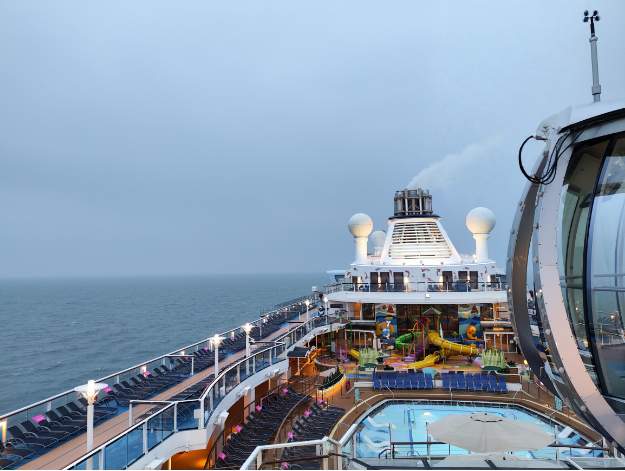
蓝梦之歌

Search documents
“蓝梦之歌”的真相:不仅要停,还要被卖
3 6 Ke· 2026-01-04 02:59
Core Viewpoint - The article discusses the decline of the cruise ship "Blue Dream Song," highlighting its operational failures, market challenges, and the implications for the cruise industry as a whole. Group 1: Company Overview - "Blue Dream Song" was initially seen as a valuable asset for Blue Dream Cruises, having been purchased from a previous operator and launched in 2024, but it ceased operations by 2026, marking a rapid decline [6]. - The ship, with a capacity of over 1,500 passengers, is considered small compared to other operational cruise ships in China, which limited its appeal despite some operational advantages [7]. Group 2: Operational Challenges - The cruise faced significant operational issues, including poor customer experiences due to its small size, limited amenities, and inadequate dining options, leading to negative passenger feedback [9]. - The initial strategy focused on Japanese routes, which later faced setbacks, forcing the company to shift to less popular routes in Southeast Asia, resulting in further declines in passenger interest [9][10]. Group 3: Market Dynamics - The cruise industry is increasingly competitive, dominated by larger ships with better facilities and services, making it difficult for smaller operators like "Blue Dream Song" to attract customers [15]. - The company's reliance on a passive business model, where it leased the ship to travel agencies without investing in marketing or direct sales, contributed to its inability to generate sufficient passenger traffic [11][12]. Group 4: Financial Implications - The company reportedly incurred losses, particularly due to the failure of its Japanese routes and the subsequent shift to less profitable Southeast Asian routes, which were already saturated [6][9]. - The financial strain led to discussions about employee layoffs and the potential sale of the ship, indicating a lack of investor confidence in the company's future [15]. Group 5: Industry Insights - The situation of "Blue Dream Song" serves as a cautionary tale for smaller cruise operators, emphasizing that competing solely on price without enhancing product quality and customer experience is unsustainable [16]. - The article suggests that the cruise market's future remains uncertain, particularly for the 2026 season, as both international and domestic brands face similar challenges [16].

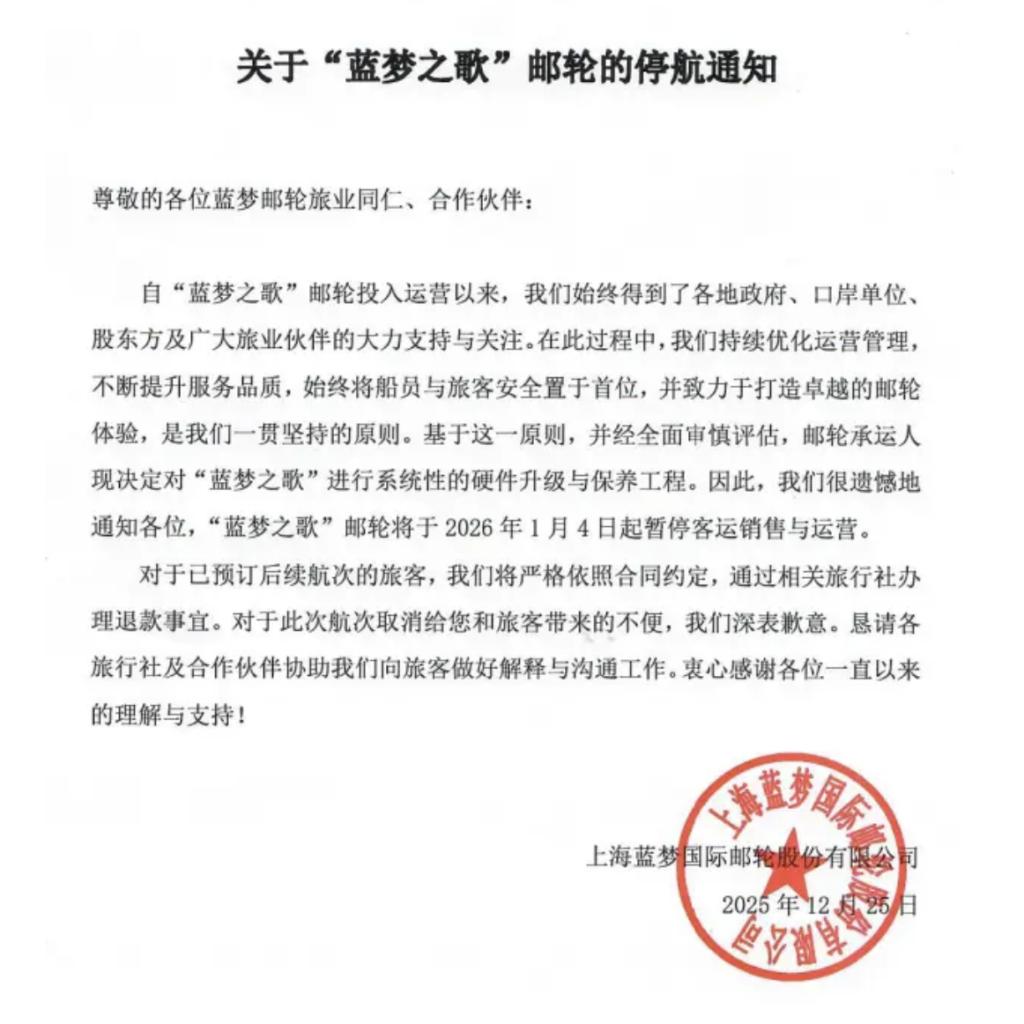
第一艘停业的国内母港邮轮出现了
3 6 Ke· 2025-12-26 03:31
Core Viewpoint - Blue Dream Cruise has announced a systematic hardware upgrade and maintenance project for its ship, Blue Dream Song, leading to the cancellation of upcoming voyages and refunds for booked passengers, indicating potential operational challenges within the company [1][4]. Company Overview - Blue Dream Cruise operates two ships: Blue Dream Star, a small vessel with a displacement of 25,000 tons, and Blue Dream Song, a second-hand ship with a displacement of 42,000 tons and a capacity of approximately 1,200 passengers [5][8]. - The company has faced difficulties due to its limited fleet and resources, leading to the cessation of operations for Blue Dream Star since November of the previous year [6][12]. Market Context - The cruise industry in China is experiencing significant challenges, particularly for smaller operators like Blue Dream, which struggle to compete against larger vessels that offer superior experiences and amenities [13][20]. - The pricing strategy of Blue Dream, which includes extremely low ticket prices, has resulted in a lack of profitability and limited market appeal, especially during peak seasons [26][27]. Financial Implications - The company is facing a cash flow crisis, exacerbated by geopolitical factors affecting short-haul routes, which are crucial for maintaining operational liquidity [32][34]. - Industry experts predict that Blue Dream is likely heading towards bankruptcy restructuring due to its inability to generate revenue from its aging fleet [38][40]. Industry Trends - The Chinese cruise market is shifting towards larger, more capital-intensive operators that can provide enhanced experiences, leaving smaller companies like Blue Dream at a disadvantage [44][48]. - The current market dynamics suggest a harsh culling of weaker players, with only those backed by substantial capital and advanced operational capabilities likely to survive [49].
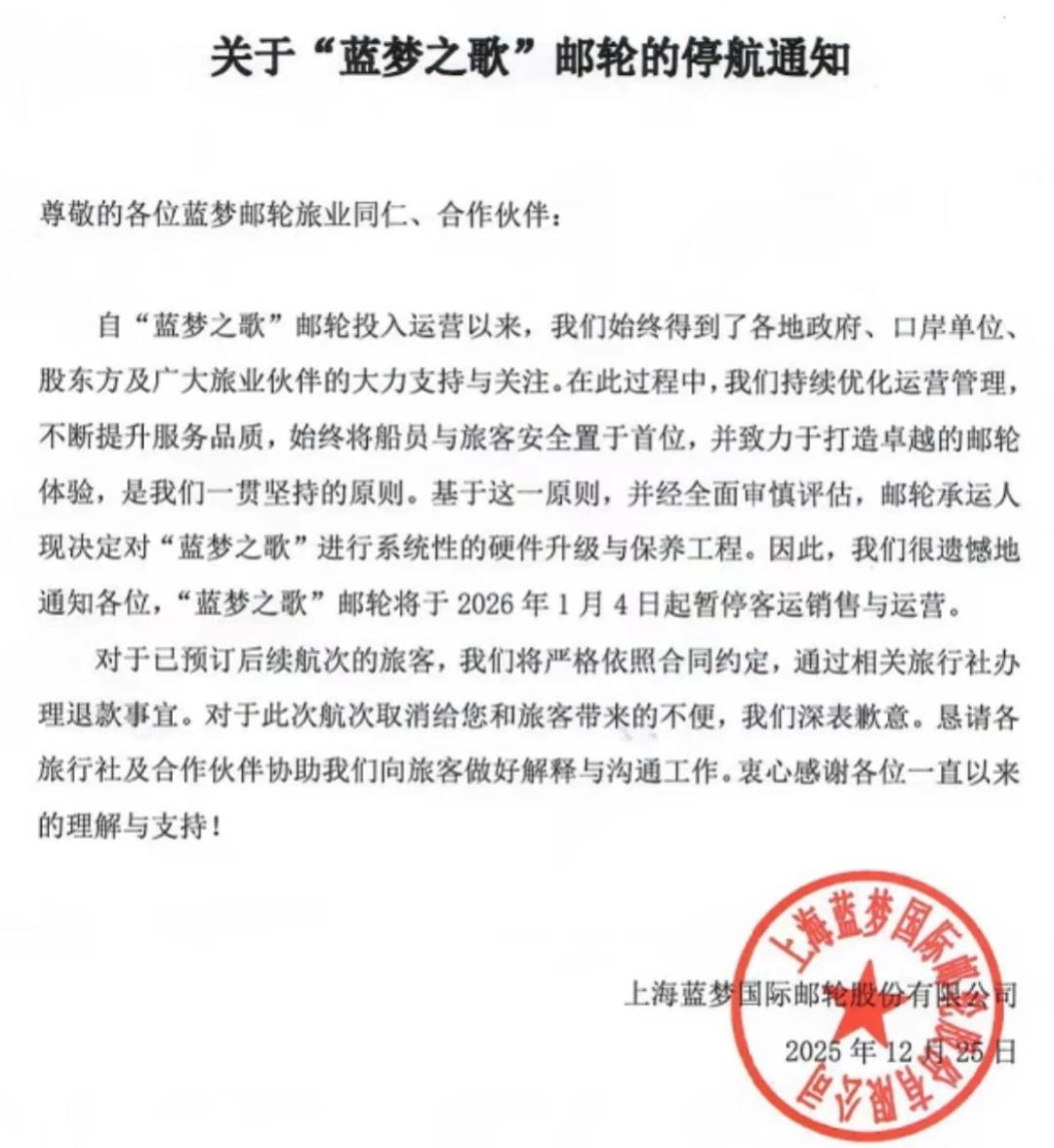
五一邮轮生意火爆,这波“海上旅行热”能持续多久?
Hu Xiu· 2025-05-05 08:28
Core Insights - The "May Day" holiday has significantly boosted the cruise market in China, with a notable increase in bookings and interest from middle-class consumers [1][2][3] Group 1: Market Performance - The number of cruises departing from domestic ports during the "May Day" holiday reached 8, accommodating nearly 30,000 tourists [2] - Guangzhou Kanghui International Travel Agency reported a 30.2% year-on-year increase in cruise tourism participants as of April 25 [15] - The cruise market is showing signs of recovery, with many ships operating at near full capacity as of April [12][13] Group 2: Pricing Trends - Cruise prices have increased significantly, with some interior cabins priced over 10,000 yuan per person, more than double the early booking prices [7][8] - The demand for cruises during peak holiday periods has led to a more stable pricing environment compared to previous years [8][21] Group 3: Consumer Behavior - Young consumers are increasingly looking for shared accommodations to reduce costs, with many seeking roommates for cabins [10] - There is a growing interest in less crowded cruise experiences, with middle-class consumers favoring cruises for their limited passenger capacity and onboard amenities [8][10] Group 4: Industry Adjustments - Cruise companies have learned from past market fluctuations and are adopting more flexible pricing and booking strategies to avoid overcapacity and price drops [20][21] - The industry is seeing a shift in focus from traditional ports like Shanghai to a more diversified approach, with cruises departing from cities like Tianjin, Qingdao, and Guangzhou [6][23] Group 5: Future Outlook - Despite the current surge in demand, industry professionals remain cautious about the summer market, anticipating potential price drops if sales do not meet expectations [24][25]