蔚来换电模式

Search documents
比亚迪和蔚来,争的不止是高下
Zhong Guo Jing Ji Wang· 2026-03-13 02:58
Core Viewpoint - The competition between BYD and NIO centers around charging technologies, with BYD promoting its "flash charging" technology as a faster alternative to NIO's battery swapping model, which emphasizes reliability and user experience [1][6][9] Group 1: BYD's Flash Charging Technology - BYD has improved its charging speed, reducing the time to charge from 10% to 97% to just 9 minutes, which poses a significant challenge to NIO's battery swapping model [1][3] - The company has released multiple technical videos to address concerns regarding battery lifespan and safety associated with flash charging, asserting that it will not negatively impact battery performance [2][5] - BYD's second-generation blade battery has a 5% increase in energy density compared to the first generation, and it features advanced thermal management systems to ensure safety during rapid charging [5] Group 2: NIO's Battery Swapping Model - NIO's founder, Li Bin, has publicly criticized flash charging, arguing that it could harm battery health over time, while emphasizing the reliability of battery swapping as a core competitive advantage [1][6] - NIO has invested heavily in its battery swapping infrastructure, with over 3,753 stations built, representing a significant financial commitment to establish a unique market position [8] - The company views its battery swapping service as a crucial differentiator in a competitive market, and any shift towards flash charging could undermine its established business model and user base [6][9] Group 3: Industry Dynamics - The competition between BYD and NIO reflects broader industry trends where companies are pushing the limits of technology and resource allocation to secure market survival [2][9] - Both companies are navigating a challenging market landscape, where technological advancements and cost management are critical for maintaining competitive advantages [9] - The outcome of this technological rivalry will significantly influence the future of electric vehicle charging solutions and the sustainability of each company's business model [9]



比亚迪闪充之后,蔚来的换电模式还值钱吗
3 6 Ke· 2026-03-11 08:39
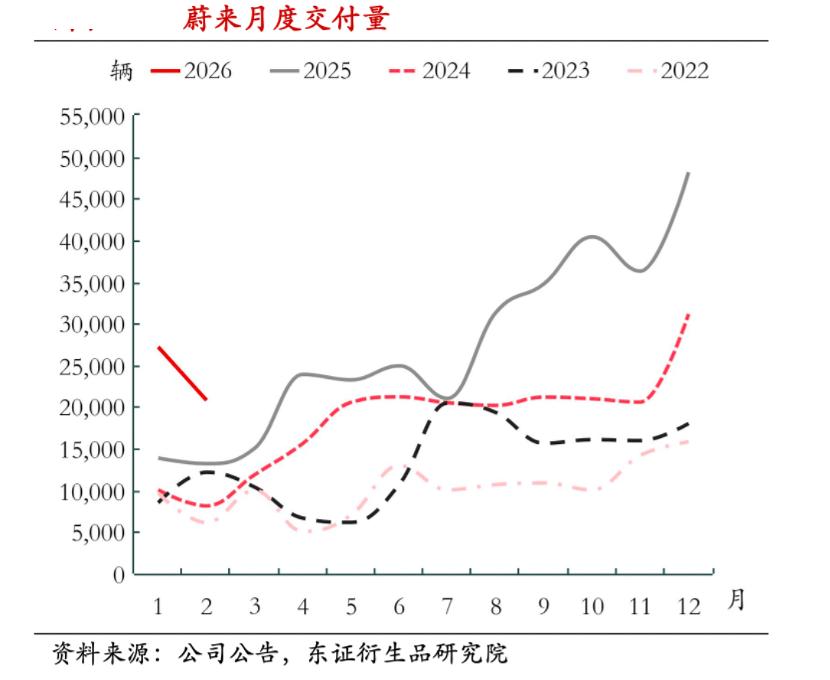
Core Viewpoint - The introduction of BYD's fast-charging technology poses a potential threat to NIO's battery swap model, but the immediate impact is expected to be manageable due to NIO's established market position and operational strategies [2][8]. Group 1: NIO's Business Model and Performance - NIO's rebound in performance is closely tied to its battery swap model, which has created a competitive moat for the company [2]. - The company's profitability improvement is primarily driven by optimized supply chain management and increased delivery volumes, which have reduced market expenses [2][12]. - NIO's battery-as-a-service (BaaS) model allows the company to transfer battery assets to a joint venture, alleviating pressure on its balance sheet while still benefiting from the user experience [6][8]. Group 2: Impact of Fast-Charging Technology - The introduction of fast-charging technology by BYD is seen as a potential challenge to NIO's battery swap model, but the short-term impact is expected to be limited [8][9]. - The attractiveness of NIO's battery swap model lies not only in alleviating charging anxiety but also in lowering the purchase threshold for consumers, which fast-charging cannot replicate [8]. - NIO's financial statements indicate a significant increase in receivables from battery sales to its joint venture, suggesting a shift towards the BaaS purchasing model among consumers [8]. Group 3: Profitability and Cost Management - NIO's gross margin improved to 13.62% in 2025, with automotive gross margin at 14.6%, despite a decline in average selling price (ASP) [12]. - The reduction in operating expenses, with Q4 2025 sales and administrative expenses dropping to 3.5 billion from 4.9 billion the previous year, has been a key factor in returning to profitability [14]. - The current environment of reduced price competition in the automotive industry is expected to support the maintenance of gross margins for manufacturers like NIO [15].