蔚来电池资产管理业务(BaaS)

Search documents
遭新加坡主权基金起诉,蔚来回应:源于不实指控,三年前已完成独立调查
Di Yi Cai Jing Zi Xun· 2025-10-16 13:47
Core Viewpoint - The lawsuit filed by the Government of Singapore Investment Corporation (GIC) against NIO has drawn significant market attention, stemming from allegations related to a short-selling report by Hindenburg Research in June 2022, which NIO claims are unfounded [1][2]. Group 1: Background of the Lawsuit - The lawsuit is not a new event but is linked to previous allegations made by Hindenburg Research, which NIO has consistently denied, asserting that an independent internal investigation found no basis for the claims [1][2]. - GIC had accumulated approximately 54.45 million shares of NIO ADS between August 2020 and July 2022, during which NIO's stock price fluctuated between $13 and $21, peaking at $66.99 [1]. Group 2: Details of the Allegations - GIC accuses NIO of inflating revenue and profits through a partnership with Wuhan Weinan Battery Asset Co., misleading investors and causing financial losses to GIC [4]. - NIO's previous responses to the allegations included independent reviews by third-party legal and accounting firms, which found no wrongdoing [2][4]. Group 3: Market Reaction and Implications - Following the news of the lawsuit, NIO's stock price fell over 13% at one point on October 16, 2023, closing down 8.99% in Hong Kong and over 6% in the U.S. [1]. - The lawsuit poses a significant challenge to NIO's Battery as a Service (BaaS) model, which has been a key innovation for the company [4][5]. Group 4: Broader Context and Strategic Considerations - GIC's legal actions are seen as part of a broader risk management strategy, as the sovereign wealth fund has a history of suing companies for investment losses [4][5]. - The outcome of the lawsuit will depend on the progression of court proceedings in the U.S., which may take time to resolve [5].

突发!蔚来被新加坡主权基金起诉,相关指控三年前已澄清
Mei Ri Jing Ji Xin Wen· 2025-10-16 10:20
Core Viewpoint - NIO's stock price has dropped significantly following a lawsuit filed by Singapore's sovereign wealth fund, GIC, alleging securities fraud against the company and its executives [1][2]. Group 1: Lawsuit Details - GIC has accused NIO of inflating revenue and profits through a partnership with Wuhan Weinan Battery Asset Co., misleading investors and causing financial losses [1]. - The lawsuit is based on allegations stemming from a short report by Grizzly Research in June 2022, which claimed NIO may have manipulated its financial results [2][3]. - Grizzly's report indicated that NIO's stock had risen over 450% since 2020, attributing this to potentially misleading financial practices [2]. Group 2: Company Response and Investigations - NIO conducted an independent internal review in August 2022, which found no wrongdoing, and the SEC did not take further action after NIO's response to their inquiries [3]. - Major financial institutions, including Deutsche Bank and Morgan Stanley, have publicly supported NIO, disputing the claims made in Grizzly's report [3]. Group 3: GIC's Legal History - This is not GIC's first lawsuit against a publicly listed company; the fund has previously sued several multinational corporations, indicating a pattern of using legal action as a risk management strategy [4]. - GIC manages over $100 billion and has faced challenges with its investment returns, with a 20-year annualized real return rate of 3.8% as of March 2025, the lowest in recent years [4].


蔚来遭新加坡主权基金诉讼背后:财务手法!同期还有高通等被诉
Zheng Quan Shi Bao Wang· 2025-10-16 09:55
Core Viewpoint - The Singapore Government Investment Corporation (GIC) has filed a lawsuit against NIO, alleging that NIO inflated revenue and profits through a partnership with Wuhan Weinan Battery Asset Co., misleading investors and causing financial losses to GIC [2]. Group 1: Lawsuit Details - GIC's lawsuit is based on allegations stemming from a short report by Grizzly Research published in June 2022, rather than recent operational developments of NIO [2]. - NIO responded to the accusations in the Grizzly report, stating that it was baseless and contained numerous errors and misleading conclusions [2]. - An independent internal review conducted by NIO in August 2022, with assistance from third-party professionals, found no wrongdoing, and all allegations were deemed unfounded [2]. Group 2: Market Reactions - Major financial institutions such as Deutsche Bank, Morgan Stanley, JP Morgan, and Daiwa Capital released reports supporting NIO, stating that Grizzly's concerns regarding NIO's Battery as a Service (BaaS) model were misinterpretations [3]. - Deutsche Bank specifically noted that Grizzly's worries about the BaaS business model were unfounded and that the elements of the business model were severely misunderstood [3]. Group 3: GIC's Legal History - This is not the first time GIC has initiated lawsuits against publicly traded companies; it has previously sued firms like Qualcomm, Merck, and BP, claiming that certain actions by these companies led to investment losses [3]. - An investment analyst indicated that GIC's actions serve dual purposes: financial claims and as part of a risk management strategy to hedge against potential investment losses during market volatility [3].
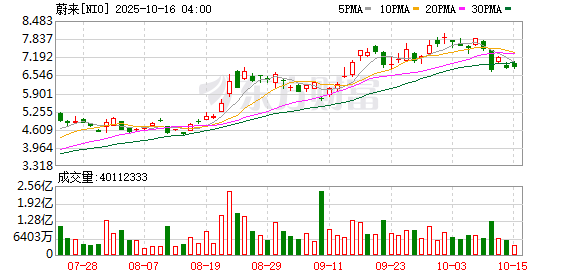
起诉蔚来?真相来了
中国基金报· 2025-10-16 09:33
Core Viewpoint - NIO is facing a lawsuit from the Government of Singapore Investment Corporation (GIC), which claims that NIO misled investors by inflating revenue and profits through a partnership with Wuhan Weinan Battery Asset Co., leading to investment losses for GIC [2][3]. Group 1: Background of the Lawsuit - The lawsuit is not based on NIO's recent operational performance but stems from a short-selling report released by Grizzly Research in June 2022 [4]. - NIO responded to the allegations in the Grizzly report, stating that it was baseless and contained numerous errors and misleading conclusions [5]. Group 2: Independent Review and Market Reactions - In August 2022, NIO announced the completion of an independent internal review, which found no wrongdoing, with the process overseen by an independent committee and third-party experts [5]. - Following the Grizzly report, major financial institutions such as Deutsche Bank, Morgan Stanley, JP Morgan, and Daiwa Capital released reports supporting NIO and disputing the conclusions of the Grizzly report [5]. Group 3: GIC's Legal Strategy - This is not the first time GIC has initiated lawsuits against publicly traded companies, having previously sued firms like Qualcomm, Merck, and BP for similar reasons [6]. - An analyst noted that GIC's actions serve dual purposes: financial claims and as part of a risk management strategy to hedge against potential investment losses during market volatility [6].