
藏装

Search documents
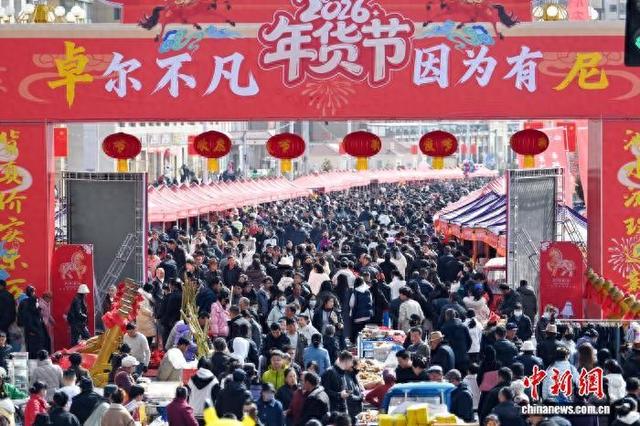
(新春见闻)甘肃卓尼:年货集市人气旺
Xin Lang Cai Jing· 2026-02-13 13:12
Group 1 - The event held in Gannan Tibetan Autonomous Prefecture, Zhuoni County, is the third annual New Year goods festival and folk culture exhibition, attracting a large number of people to purchase New Year goods and enjoy local flavors, creating a strong festive atmosphere [2] - The market features traditional Tibetan clothing, with attendees trying on these garments, indicating a cultural engagement alongside the purchasing activities [12] - The festival includes performances that entertain the audience, showcasing local culture and traditions, further enhancing the community's festive spirit [14][16]

西藏山南 物交会不止于展会
Jing Ji Ri Bao· 2026-01-08 21:45
Core Insights - The 45th Yarlung Material Exchange Conference in Shannan City, Tibet, attracted 2,635 exhibitors and received over 166,100 visitors, achieving a total transaction volume of 782 million yuan, marking an 11.4% increase from the previous year, with all three metrics reaching historical highs [1][2]. Group 1: Event Overview - The event has become the most significant winter consumption fair in Shannan and Tibet, serving as a vital platform for showcasing local industries and increasing farmers' incomes [1][2]. - The conference has evolved from informal barter exchanges in the 1960s and 1970s to a well-organized event, with the first official conference held in 1981 [2]. Group 2: Consumer Engagement - Popular products at the conference included local beef and lamb, with attendees like Tsering Deji spending over 10,000 yuan on high-quality meat, reflecting a long-standing tradition of purchasing at the event [2]. - The conference has seen increasing participation from merchants and consumers from surrounding cities and even foreign buyers, enhancing its market potential [3]. Group 3: Industry Development - The conference featured a dedicated e-commerce live streaming area, with over 436 live broadcasts and an online exposure of over 35.24 million times, showcasing local products to a national audience [4]. - The tea industry in Cuona City has seen significant growth, with a planting area of 693 acres and an annual production of approximately 5 tons, supported by local government policies [4][5]. Group 4: Economic Impact - The conference serves as a crucial income source for local farmers, with participants from Zhegu Town reporting income increases from 2,000 to 80,000 yuan over the years [6][7]. - The event facilitates the sale of local products, with Shannan's farmers bringing 2,600 yaks and 22,600 sheep, generating significant sales on the opening day [6][7]. Group 5: Community and Cultural Significance - The conference not only boosts local economies but also enhances cultural exchange, as seen with the introduction of traditional instruments like the "Zamunian" [7]. - The event has become a platform for the convergence of people, goods, information, and capital, aligning with policies aimed at promoting commerce and regional economic development [7].
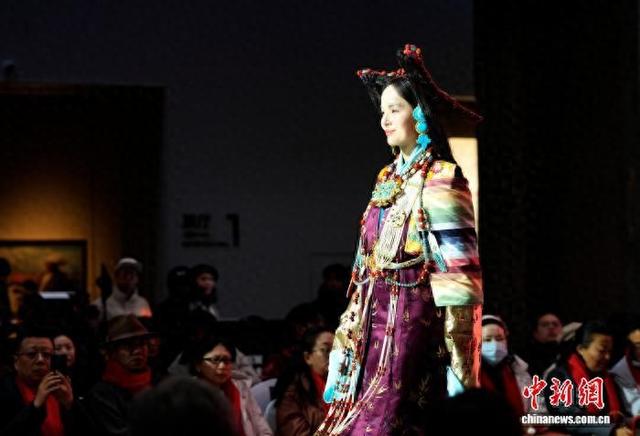
西藏拉萨举办“新岁风华,衣彩拉萨”活动 服饰为媒讲述拉萨故事
Xin Lang Cai Jing· 2026-01-01 08:31
Group 1 - The 2026 Lhasa New Year Costume Show, organized by the Lhasa Cultural and Tourism Bureau, commenced on January 1, 2026, at the Tibet Art Museum, showcasing Lhasa's cultural stories through clothing [1] - The event features a variety of formats including multi-dimensional showcases, themed exhibitions, a New Year goods market, academic salons, and creative imagery, aiming to create a comprehensive public cultural event that enhances the "Winter Travel in Tibet" initiative [3][6] - The opening show presented three emotional chapters: "Roots of Tradition," "Essence of Life," and "Flower of Hope," featuring representative costumes from various districts of Lhasa and including performances by child models and local female farmers [3][6] Group 2 - An academic salon on the contemporary inheritance and future development of Tibetan clothing was held during the opening ceremony, providing a platform for industry exchange and idea sharing [6] - The series of events for the 2026 Lhasa New Year Costume Show will continue until January 3, with public access to immersive exhibitions and a New Year goods market at the Zongjiao Lukang Park [6] - To promote the conversion of cultural value into consumer momentum, the Lhasa Cultural and Tourism Bureau, in collaboration with the Municipal Commerce Bureau, launched "Clothing Color Lhasa" New Year costume consumption vouchers during the event [8]
突破条件“限制”打造地域“特色”
Xin Lang Cai Jing· 2025-12-19 20:27
Core Insights - The development of Mado is characterized by a focus on "local adaptation," addressing the challenges posed by harsh natural conditions while leveraging unique local resources [2] Group 1: Ecological and Economic Development - Mado has established a large-scale forage base in a more suitable climate area, which produces nearly 10,000 tons of hay annually, meeting local livestock feed needs and reducing costs for herders [2] - The transformation of local wool into high-quality, culturally significant products has opened new markets, including exports to Italy, enhancing local economic prospects [2] Group 2: Renewable Energy Initiatives - A 4.4 MW photovoltaic power station in Malar Village generates stable income for the community and provides job opportunities for local herders, contributing to both environmental protection and income generation [3] Group 3: Strategic Development Approach - Mado's development strategy emphasizes a combination of ecological protection, industrial development, and improvement of living standards, showcasing the importance of identifying and leveraging unique local advantages [3]
西藏海拔最高的市级畜产品展销会开幕首日销售额近4500万元
Zhong Guo Jing Ji Wang· 2025-12-16 14:45
Core Viewpoint - The 2025 18th Livestock Products Exhibition in Naqu City, Tibet, showcases the high-quality development of the local livestock industry, with significant sales and participation from various stakeholders [1][2]. Group 1: Exhibition Overview - The exhibition opened on December 15, attracting over 3,000 participants, including farmers, cooperatives, and consumers from 11 counties [1]. - The total sales on the first day reached nearly 45 million yuan, with meat and dairy products accounting for over 90% of the sales, totaling 41 million yuan [1]. - The event features a variety of products, including fresh yak meat, traditional butter, handmade wool products, and Tibetan medicinal materials, highlighting the region's rich resources and cultural heritage [1]. Group 2: Theme and Objectives - The theme of the exhibition is "Industry Leading Strong Characteristics, Expanding Consumption to Promote Income," aiming to showcase the achievements of Naqu's livestock industry and enhance market consumption [2]. - The exhibition serves as a critical platform for connecting production and sales, stimulating market activity, and supporting farmers' income growth [2]. Group 3: Event Features and Innovations - The exhibition spans five days and includes 1,485 participating entities, with a broader scale and coverage compared to previous years [3]. - Various activities will be held during the exhibition, such as specialized livestock trading, brand promotion salons, and demonstrations of intangible cultural heritage skills [3]. - The event incorporates "smart empowerment," with over 50 media platforms live-streaming the opening ceremony, attracting more than 5 million online viewers [2].
时光流转中,感受西藏风华
Xin Hua She· 2025-12-14 12:20
Core Perspective - The article emphasizes the cultural significance of traditional Tibetan clothing and jewelry, highlighting their role as expressions of nature, heritage, and identity [1] Group 1: Cultural Significance - Tibetan attire is not merely functional for warmth but serves as a vibrant cultural declaration that embodies the beauty of nature and family memories [1] - The adornment of Tibetan jewelry, made from materials like amber, coral, and turquoise, symbolizes respect for nature and celebrates life [1] Group 2: Aesthetic and Identity - The way Tibetan clothing is worn reflects a balance of grandeur and dignity, showcasing the unique aesthetics of the highland culture [1] - Each individual wearing these traditional garments becomes a representative of an enduring civilization, contributing to the preservation and dissemination of cultural heritage [1]
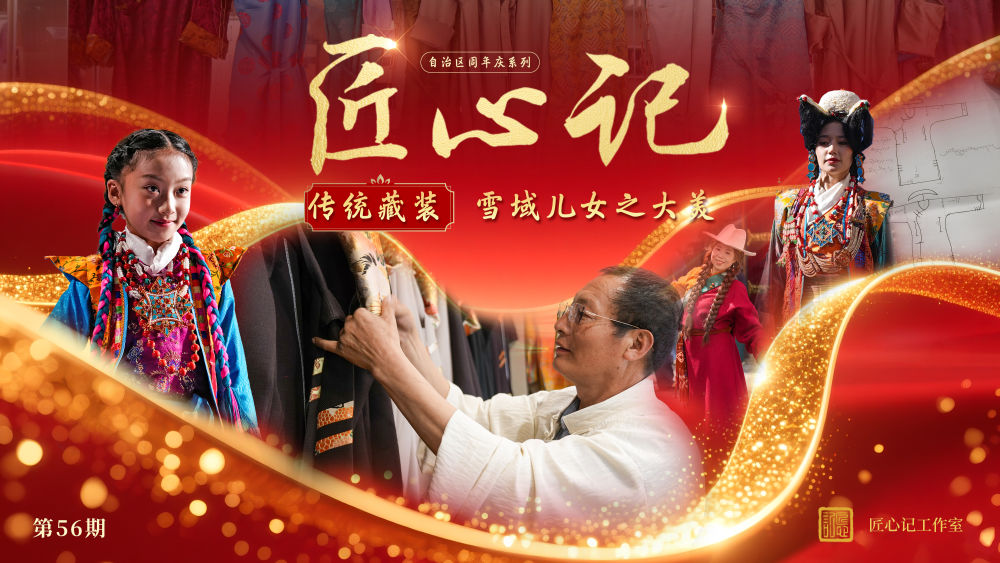
新华全媒+·匠心记 | 自治区周年庆系列之传统藏装:雪域儿女之大美
Xin Hua She· 2025-08-21 07:35
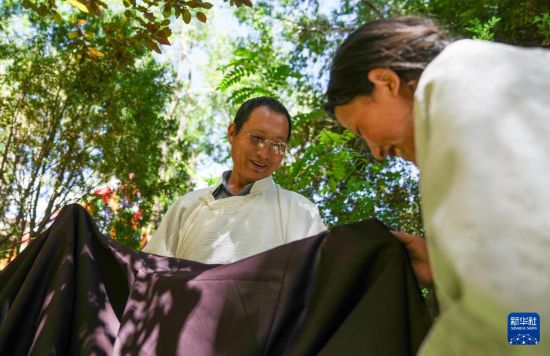
Core Points - The article highlights the rich history and evolution of Tibetan clothing, particularly Lhasa attire, which has developed into diverse styles and features over generations [2] - Lhasa clothing was included in the intangible cultural heritage list of the Tibet Autonomous Region in June 2018, emphasizing its cultural significance [2] Group 1: Characteristics of Lhasa Clothing - Lhasa clothing is characterized by distinct features such as wide waist, long sleeves, large lapels, right-over-left closure, long skirts, long boots, and elaborate jewelry [2] - These characteristics reflect the aesthetic values of the Tibetan people and are closely related to their living environment and production methods [2] Group 2: Master Craftsman and Education - Losang Mailang, a master craftsman with over 40 years of experience, has been instrumental in teaching Lhasa clothing-making techniques at a traditional handicraft school [21][30] - He has been recognized as a representative inheritor of the intangible cultural heritage project for Tibetan clothing and awarded the title of master of arts and crafts in Lhasa [21] Group 3: Cultural Transmission and Modern Integration - Losang Mailang has trained over a hundred students, who are now contributing to the preservation and innovation of Tibetan clothing [25] - His efforts include compiling bilingual textbooks on ethnic clothing making and participating in projects to create a database for Tibetan clothing [26] Group 4: Contemporary Relevance - The article notes that tourists and locals alike wear traditional Tibetan clothing, creating a vibrant cultural scene in Lhasa [32][35] - Events such as fashion shows featuring traditional Tibetan attire highlight the ongoing relevance and appreciation of this cultural heritage [33]
洛桑麦朗:让古老藏装焕发时代光彩
Xin Hua Wang· 2025-08-19 01:03
Core Viewpoint - The article highlights the efforts of Losang Mailang, a representative inheritor of the Tibetan clothing heritage, in revitalizing traditional Tibetan attire by blending it with modern aesthetics, thus making it appealing in contemporary society [1]. Group 1: Individual Contributions - Losang Mailang has over 40 years of experience in the craft of Tibetan clothing and has trained more than 100 apprentices [1]. - He is involved in compiling educational materials and establishing a database for Tibetan clothing, contributing to the preservation and promotion of this cultural heritage [1]. Group 2: Cultural Impact - The new style of Tibetan clothing created under Losang Mailang's guidance merges traditional craftsmanship with modern design, creating a vibrant visual presence in urban settings [1].
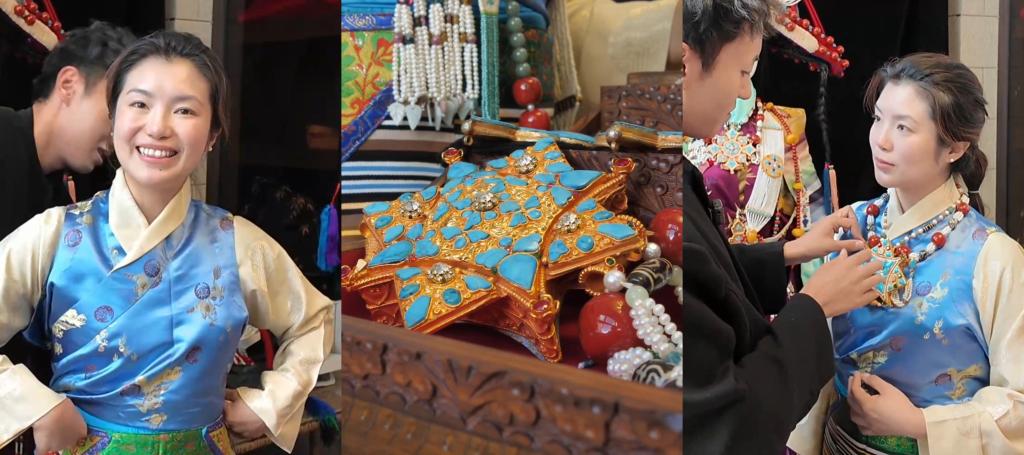
服饰里的风情
Jing Ji Ri Bao· 2025-05-17 23:14
Group 1 - The article highlights the growing trend of tourists engaging in traditional Tibetan clothing photography as a way to experience and connect with local culture [1][2] - The Star River Photography Studio showcases a variety of representative Tibetan costumes, emphasizing the cultural significance of these garments in the tourism experience [1][2] - The presence of numerous photography shops and Tibetan clothing stores in Barkhor Street reflects the prosperity of the travel photography industry in Lhasa and tourists' appreciation for Tibetan clothing culture [2] Group 2 - The experience of wearing ethnic costumes and walking through historical Barkhor Street enhances the immersive travel experience, as noted by a tourist [2] - The manager of Star River Photography Studio describes Tibetan clothing photography as an important medium for tourists to establish emotional connections and a sense of belonging [2] - Customization and a wide selection of ready-made Tibetan clothing are offered by local shops, catering to tourists' desires for uniqueness and personalization [2]