
蚝烙

Search documents
在潮汕的烟火气里读懂年
Xin Lang Cai Jing· 2026-02-27 03:59
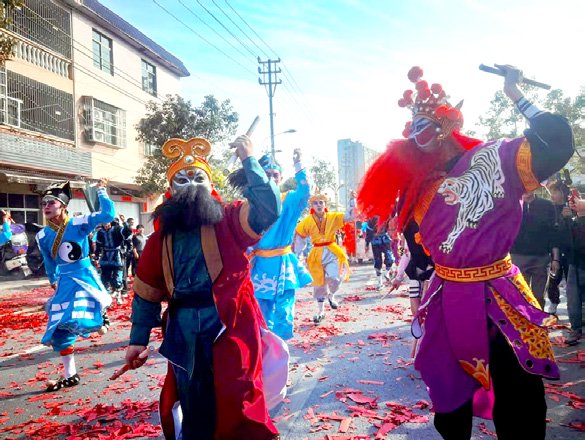
Core Viewpoint - The article explores the deep emotional connection of the Chaoshan people to their hometown through food and cultural traditions, particularly during the Spring Festival, highlighting how these elements evoke a sense of belonging and nostalgia for those who have moved away [3][4][5][6][7][8] Group 1: Culinary Traditions - The anticipation of traditional dishes, such as rice rolls, symbolizes the longing for home among the Chaoshan diaspora [3] - The significance of food during the Spring Festival is emphasized, with specific dishes like braised goose and beef balls representing cultural heritage and family gatherings [4] - The article illustrates how the taste of familiar foods can instantly evoke feelings of homecoming and connection to one's roots [4][8] Group 2: Cultural Practices - The practice of "Bai Laoye" (worshiping the deity) on New Year's Eve is described as a solemn yet vibrant tradition that connects families to their ancestors and local deities [5] - The "Yingge Dance" and the "Ying Laoye" ceremony are highlighted as lively expressions of Chaoshan culture, showcasing the community's fervor and collective spirit during the New Year celebrations [6] - Traditional opera remains a popular form of entertainment during the Spring Festival, demonstrating the enduring appeal of cultural heritage among all age groups [7] Group 3: Emotional Resonance - The article conveys how the sensory experiences of food, dance, and rituals create a profound sense of belonging and identity for the Chaoshan people [8] - The narrative emphasizes that traditions are not merely historical artifacts but living practices that continue to shape the community's identity and emotional landscape [8]

潮、汕之外,却是潮汕
3 6 Ke· 2026-01-26 02:29
Core Viewpoint - The article highlights the historical and cultural significance of Jieyang, a city in the Chaoshan region of Guangdong, which is often overlooked by tourists in favor of nearby cities like Chaozhou and Shantou. Jieyang boasts a rich history, unique architecture, and local culinary traditions that reflect its cultural heritage. Group 1: Historical Significance - Jieyang is recognized as the earliest administrative establishment in the region, dating back to 214 BC, which is over 800 years earlier than Chaozhou [1] - The Jieyang Confucian Temple is the largest and best-preserved in Lingnan, second only to the Confucian Temple in Qufu, Shandong, showcasing the city's educational and cultural importance [3] - The city features the oldest and largest City God Temple in Guangdong, with vibrant architectural details that reflect local cultural heritage [4] Group 2: Architectural Features - The ancient city of Jieyang is characterized by its unique architectural styles, including the only combined city gate, tower, and pavilion structure in the country [2] - The traditional residential designs in Jieyang incorporate Feng Shui principles, with distinct styles representing different elements, showcasing the region's cultural values [7] - The "Qilou" (arcade) architecture, which emerged in the early 20th century, reflects the adaptation to local climate and commercial needs, marking a transition from traditional to modern urban design [9][10] Group 3: Culinary Traditions - Jieyang is known for its diverse rice-based dishes, with local specialties such as "Guozi" (rice rolls) and "Niu Rou Guo Tiao" (beef rice noodles) that highlight the region's agricultural richness [12][13] - The local cuisine emphasizes unique flavors and cooking techniques, with dishes like "Zhe Guo Fan" (quail rice) and "Sand Pot Porridge" that are distinct from those in neighboring cities [13] - The vibrant night market scene in Jieyang offers a variety of local snacks, showcasing the city's culinary diversity and cultural vibrancy [13]
五一到饶平,读一首山海生活诗
Nan Fang Nong Cun Bao· 2025-04-27 08:31
Core Viewpoint - The article highlights the unique cultural and culinary experiences of Raoping, a small city in the Chaoshan region, emphasizing its tea culture, local cuisine, and the harmonious relationship between its people and nature [1]. Group 1: Tea Culture - Raoping is known for its "non-typical" Lingtou Dancong tea, which offers a different flavor profile compared to the more famous Fenghuang Dancong, characterized by its lower elevation and milder taste [17][18]. - The Lingtou Dancong tea originates from Shuangqiang Mountain, with various aromatic varieties such as cinnamon, yellow branch, and honey orchid, harvested in April [20][21]. - The tea has historical significance, having been associated with the Red-headed ships that traveled to Southeast Asia, and has won numerous awards, showcasing its legacy and ongoing vitality [26][27][28]. Group 2: Culinary Delights - Raoping's cuisine is a significant draw for visitors, featuring local specialties like oyster omelets and the renowned Shitou goose, known for its tender meat and balanced fat distribution [32][38]. - The local food scene includes vibrant night markets where chefs prepare dishes with fresh ingredients, emphasizing the respect for natural flavors [40][44]. - A variety of local snacks and dishes, such as colorful rice cakes and seafood, are highlighted as must-try items for food enthusiasts [47]. Group 3: Lifestyle and Community - The article portrays the daily life of Raoping residents, who engage in fishing and tea picking, reflecting a deep connection to their environment and traditions [49][51][54]. - The community's rhythm is described as busy yet orderly, with fishermen and tea pickers working diligently to maintain their livelihoods [52][60]. - The essence of Raoping's lifestyle is captured through the sounds and aromas of the local markets, creating a vivid picture of the city's cultural richness [65][67]. Group 4: Travel Tips - For visitors, self-driving is recommended due to the dispersed nature of attractions, with options for high-speed rail access to Raoping [69]. - Accommodation ranges from good conditions in the county town to tea mountain homestays, with opportunities to experience the charm of fishing villages [70]. - Culinary recommendations include local dishes such as rice noodle soup, oyster omelets, and fried tofu, with advice to inquire about market prices when dining at seafood stalls [71].
