
潮汕文化

Search documents
在潮汕的烟火气里读懂年
Xin Lang Cai Jing· 2026-02-27 03:59
Core Viewpoint - The article explores the deep emotional connection of the Chaoshan people to their hometown through food and cultural traditions, particularly during the Spring Festival, highlighting how these elements evoke a sense of belonging and nostalgia for those who have moved away [3][4][5][6][7][8] Group 1: Culinary Traditions - The anticipation of traditional dishes, such as rice rolls, symbolizes the longing for home among the Chaoshan diaspora [3] - The significance of food during the Spring Festival is emphasized, with specific dishes like braised goose and beef balls representing cultural heritage and family gatherings [4] - The article illustrates how the taste of familiar foods can instantly evoke feelings of homecoming and connection to one's roots [4][8] Group 2: Cultural Practices - The practice of "Bai Laoye" (worshiping the deity) on New Year's Eve is described as a solemn yet vibrant tradition that connects families to their ancestors and local deities [5] - The "Yingge Dance" and the "Ying Laoye" ceremony are highlighted as lively expressions of Chaoshan culture, showcasing the community's fervor and collective spirit during the New Year celebrations [6] - Traditional opera remains a popular form of entertainment during the Spring Festival, demonstrating the enduring appeal of cultural heritage among all age groups [7] Group 3: Emotional Resonance - The article conveys how the sensory experiences of food, dance, and rituals create a profound sense of belonging and identity for the Chaoshan people [8] - The narrative emphasizes that traditions are not merely historical artifacts but living practices that continue to shape the community's identity and emotional landscape [8]

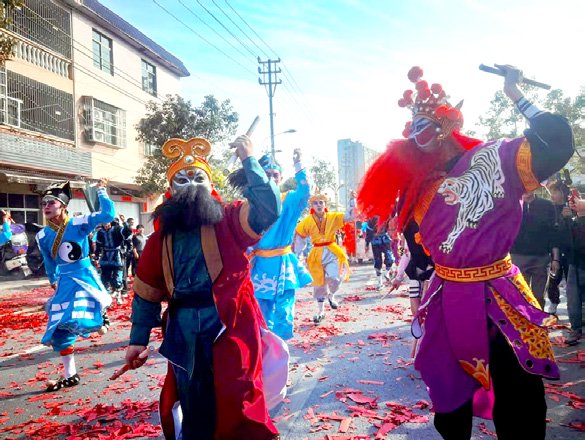
潮、汕之外,却是潮汕
3 6 Ke· 2026-01-26 02:29
Core Viewpoint - The article highlights the historical and cultural significance of Jieyang, a city in the Chaoshan region of Guangdong, which is often overlooked by tourists in favor of nearby cities like Chaozhou and Shantou. Jieyang boasts a rich history, unique architecture, and local culinary traditions that reflect its cultural heritage. Group 1: Historical Significance - Jieyang is recognized as the earliest administrative establishment in the region, dating back to 214 BC, which is over 800 years earlier than Chaozhou [1] - The Jieyang Confucian Temple is the largest and best-preserved in Lingnan, second only to the Confucian Temple in Qufu, Shandong, showcasing the city's educational and cultural importance [3] - The city features the oldest and largest City God Temple in Guangdong, with vibrant architectural details that reflect local cultural heritage [4] Group 2: Architectural Features - The ancient city of Jieyang is characterized by its unique architectural styles, including the only combined city gate, tower, and pavilion structure in the country [2] - The traditional residential designs in Jieyang incorporate Feng Shui principles, with distinct styles representing different elements, showcasing the region's cultural values [7] - The "Qilou" (arcade) architecture, which emerged in the early 20th century, reflects the adaptation to local climate and commercial needs, marking a transition from traditional to modern urban design [9][10] Group 3: Culinary Traditions - Jieyang is known for its diverse rice-based dishes, with local specialties such as "Guozi" (rice rolls) and "Niu Rou Guo Tiao" (beef rice noodles) that highlight the region's agricultural richness [12][13] - The local cuisine emphasizes unique flavors and cooking techniques, with dishes like "Zhe Guo Fan" (quail rice) and "Sand Pot Porridge" that are distinct from those in neighboring cities [13] - The vibrant night market scene in Jieyang offers a variety of local snacks, showcasing the city's culinary diversity and cultural vibrancy [13]
冬 至
Ren Min Ri Bao· 2025-12-19 22:10
Group 1 - The article reflects on the significance of the winter solstice in the southern regions, particularly in the Chaoshan area, where it is celebrated with family gatherings and traditional foods like tangyuan, symbolizing reunion and warmth during the cold season [1][2] - The preparation for the winter festival includes cleaning rituals, known as "xian dun," which are performed to honor ancestors, highlighting the cultural practices surrounding this time [2][4] - The narrative emphasizes the passage of time and the importance of family traditions, as well as the migration of people from rural areas to urban centers, which affects their connection to these traditions [3][4] Group 2 - The article discusses the role of elderly family members, particularly the grandmother, in maintaining family rituals and traditions, showcasing the generational transmission of cultural practices [4][5] - It highlights the contrast between the past and present, particularly in terms of transportation and mobility, illustrating how modern vehicles connect individuals to their roots while also symbolizing separation [5][6] - The narrative touches on the emotional aspects of memory and nostalgia, particularly during festive times, and how these feelings are intertwined with cultural identity and practices among overseas Chinese communities [7]