
蝴蝶缎胚布

Search documents
年味里的新质生产力|从面料革新到产业升级 耐洗丝绸助国潮服饰热销
Ren Min Ri Bao· 2026-02-25 02:47
Core Insights - The new Chinese-style clothing market, represented by "Guochao" fashion, is expected to exceed 220 billion yuan in 2024 and surpass 250 billion yuan in 2025, driven by technological advancements and changing consumer preferences [1] Consumer Demand - Young consumers, particularly those around 30 years old, are increasingly seeking convenient and easy-to-care-for clothing options, leading to a shift in fabric preferences [2] - Traditional silk fabrics have faced challenges such as color fading and high maintenance costs, prompting a demand for more durable and machine-washable alternatives [2][3] - New silk fabrics that are machine-washable and UV-resistant have gained popularity, with a notable increase in inquiries and sales [2] Technological Innovations - Companies are exploring innovative silk materials, such as "butterfly satin," which combines traditional craftsmanship with modern AI weaving technology, resulting in intricate designs and a 20% increase in sales for new styles [3][4] - The development of machine-washable silk fabrics addresses common issues like washing and wrinkling, enhancing the practicality of silk clothing [4][5] Industry Trends - The silk industry is witnessing a shift towards functional and practical materials, with innovations like anti-pilling wool and UV-resistant silk gaining traction [6] - Despite rapid technological advancements, the industry faces challenges in design and brand development, with many small enterprises lacking sufficient R&D investment [6][7] - The convergence of consumer demand for practicality, technological capabilities, and supportive policies is establishing a trend towards the modernization of silk products, moving away from traditional luxury to high-performance textiles suitable for everyday use [6][7]
耐洗丝绸助国潮服饰热销
Ren Min Ri Bao· 2026-02-25 01:47
Core Insights - The new Chinese-style clothing market, represented by "Guochao" fashion, is expected to exceed 220 billion yuan in 2024 and surpass 250 billion yuan in 2025, driven by technological advancements and changing consumer preferences [1]. Group 1: Market Trends - The popularity of new Chinese-style clothing has surged, with some stores reporting sales that are three times higher than usual, indicating a strong consumer demand [1]. - Young consumers, particularly those around 30 years old, are increasingly seeking convenient and easy-to-care-for clothing options, leading to a shift in fabric preferences [2]. Group 2: Technological Innovations - New silk fabrics that are machine washable and have enhanced durability are being developed, addressing common issues such as color fading and care difficulties associated with traditional silk [2][5]. - Companies are integrating advanced technologies, such as AI weaving techniques, to create intricate patterns and improve fabric quality, resulting in a nearly 20% increase in sales for some new Chinese-style clothing brands [3]. Group 3: Industry Challenges and Opportunities - The silk industry faces challenges, including a predominance of small enterprises with insufficient R&D investment, which hinders innovation in areas like automated silk production and functional fabric development [6][7]. - The demand for practical, high-performance textiles that are easy to care for is driving a transformation in the silk industry, moving away from traditional luxury perceptions towards more accessible, culturally rich products [6][7].

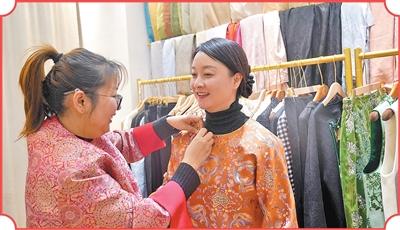
从面料革新到产业升级 耐洗丝绸助国潮服饰热销
Ren Min Ri Bao· 2026-02-25 01:34
Core Insights - The new Chinese-style clothing market, represented by "Guochao" fashion, is expected to exceed 220 billion yuan in 2024 and surpass 250 billion yuan in 2025, indicating a significant growth trend in consumer demand for this style [1] - Technological advancements in fabric materials, such as machine-washable silk and innovative weaving techniques, are driving the popularity of new Chinese-style clothing among younger consumers [2][3] Consumer Demand - Younger consumers, particularly those around 30 years old, are increasingly seeking convenient and easy-to-care-for clothing options, leading to a shift in fabric preferences [2] - Issues with traditional silk fabrics, such as color fading and high maintenance costs, have prompted consumers to look for more durable alternatives [2] - The introduction of machine-washable silk and other functional fabrics has been well-received, with significant interest from customers [2] Technological Innovations - Companies are increasingly adopting technological fabrics, such as "butterfly satin" and machine-washable silk, to enhance product offerings and address common pain points associated with silk [3][4] - Innovations in silk fabric production, including the use of AI weaving technology, have resulted in a 20% increase in sales for some companies [3] - The development of new silk materials that maintain the natural qualities of silk while improving durability and washability is a key focus for industry leaders [4][5] Industry Trends - The silk industry is moving towards a collaborative innovation model that integrates the entire supply chain, emphasizing the need for technological advancements across all stages of production [5] - The demand for functional and practical fabrics is reshaping the market, with companies introducing new materials that cater to consumer needs for ease of care and versatility [6] - The silk industry faces challenges, including the predominance of small enterprises with limited R&D investment, which may hinder long-term innovation and competitiveness [6][7] - The future of silk products is expected to shift from traditional luxury items to high-performance textiles that are easy to care for and culturally significant [6][7]
耐洗丝绸助国潮服饰热销(年味里的新质生产力)
Sou Hu Cai Jing· 2026-02-24 23:30
Group 1 - The new Chinese-style clothing market, represented by the "Guochao" fashion, is expected to exceed 220 billion yuan in 2024 and surpass 250 billion yuan in 2025 [2] - The integration of technology in new Chinese-style clothing has significantly boosted sales, with some stores reporting up to three times the usual daily custom orders [2] - Young consumers are increasingly favoring convenient-to-care-for fabrics, leading to a shift in material preferences towards more practical options [3] Group 2 - The introduction of machine-washable silk and innovative fabrics like "butterfly satin" has led to a nearly 20% increase in sales for companies adopting these technologies [4] - The silk industry is focusing on overcoming common issues such as washability and durability, with advancements in fabric technology being crucial for maintaining silk's natural qualities [5] - The trend towards functional and practical fabrics is reshaping the market, with innovations allowing for new applications of traditional materials like cashmere and wool [6] Group 3 - The silk industry is characterized by a predominance of small to medium enterprises, which often struggle with research and development investments, impacting their ability to innovate [6][7] - The future of silk products is expected to transition from traditional luxury items to high-performance textiles that are easy to care for and culturally significant [6] - Innovation in silk fabrics is seen as essential for breaking the homogenization of products and enhancing profit margins for companies [7]

从面料革新到产业升级 耐洗丝绸助国潮服饰热销(年味里的新质生产力)
Ren Min Ri Bao· 2026-02-24 22:19
Core Insights - The new Chinese-style clothing market, represented by "Guochao" fashion, is expected to exceed 220 billion yuan in 2024 and surpass 250 billion yuan in 2025, indicating a significant growth trend in consumer demand for this style [1] - The integration of technology into traditional fabrics has led to increased sales, with some stores reporting customization orders tripling compared to previous years [1] - Young consumers are increasingly favoring practical and easy-to-care-for fabrics, leading to innovations in silk materials that address common issues such as color fading and maintenance [2][4] Market Trends - The demand for new Chinese-style clothing is being driven by younger consumers, particularly those around 30 years old, who prioritize convenience in garment care [2] - The introduction of machine-washable silk and other innovative fabrics has opened new sales channels, with positive market feedback indicating a strong potential for these technological advancements [2][6] - The silk industry is experiencing a shift towards functional and practical materials, moving away from traditional luxury perceptions to more versatile, everyday use textiles [6][7] Technological Innovations - Companies are exploring advanced silk materials, such as machine-washable silk and "butterfly satin," which utilize AI weaving technology to create intricate patterns and improve durability [3][4] - The development of these innovative fabrics has resulted in a nearly 20% increase in sales for companies that have adopted these technologies [3] - The silk industry's innovation is focused on enhancing fabric functionality while maintaining the natural qualities of silk, addressing common consumer concerns [4][5] Industry Challenges - The silk industry is primarily composed of small to medium-sized enterprises that often lack sufficient research and development investment, which poses challenges for technological advancement [6][7] - The long development cycles and high investment requirements for new silk technologies can test the overall strength of companies in the industry [6][7] - There is a need for a collaborative innovation ecosystem that integrates the entire silk supply chain to effectively implement technological advancements [5]